
500XAF to XPF exchange rate
YOUR CHOICE FOR GLOBAL TRADE PAYMENT
Pay to China & get paid globally
Free to open business accounts
24/7 instant payment
Exchange USD/RMB, no limit, no block
XAF to XPF
1 XAF = 0.18218 XPF
08:31 Exchange Rate
Solve Crossborder Payment Difficulties, Start with a Compliant Entity!
XAF to XPF AI Predictive Analysis
XTransfer is the first platform for B2B foreign trade finance in China. It provides safe, convenient and low-cost international collection solutions for small, medium and micro enterprises, with 0 account opening fee and 0 handling fee. New users can receive up to 200000 RMB free foreign exchange settlement quota for registration. The current XAF/XPF market is slightly volatile, focusing on macroeconomic dynamics and policy changes, and AI forecasts can help users grasp trends.
As of August 17, 2025
| analysis of influencing factors: | Economic data and policy adjustment |
| potential resistance level: | 0.182300 |
| Operational recommendations: | Stay on the sidelines and focus on key data releases |
| Forecast Time Range: | Next 1-2 weeks |
| Market sentiment: | Cautiously optimistic |
| Brief Technical Review: | Exchange rate in narrow range, short-term direction unknown |
| Recent volatility: | 0.0001 |
| AI Confidence Index: | Medium |
| Potential support level: | 0.182150 |
| trend prediction: | Next 1-2 weeks |
AI analysis is for reference only. Please judge based on actual conditions.

Pay and get paid in local currency. Save up to 80% on your currency exchanges.

Send Money to China
 AI-integrated, for reference only
1 USD to CNY Historical Exchange Rate Trends
1 USD = -- CNY
09:17 Exchange Rate
XAF Exchange Rate Conversion Table


 XAF - China-Africa Financial Cooperation Franc
The CFA franc is used by the member states of the Central African Economic and Monetary Community since 1945. The XAF is pegged to the Euro to maintain a stable exchange rate. As the base currency for trade and financial activities in Central African countries, the XAF promotes regional economic integration and cross-border business exchanges.
- Supporting unit:No auxiliary currency units
- Denomination of banknotes:500, 1000, 2000, 5000, 10000 Non-Lang
- Reserve currency:No, the euro is the primary reserve currency.
- Banknote material:Paper, with anti-counterfeiting features.
- Metal composition:Non-circulating coins
- Currency symbol:CFA
- Paper currency size:Approximately 140mm × 65mm
- language:en
- Main unit:
- ISO code:XAF
- Currency name:China and France are both countries.
- Exchange Rate System:Fixed exchange rate system (pegged to the euro)
- Central Bank:Bank of Central African States (BEAC)
- Safe-haven currency:No, regional currency.
- Coin denomination:Non-circulating coins
- Countries of Use:Member countries of the African Economic and Monetary Community (including Cameroon, Chad, Congo, etc.)
- Cross-border payment:XAF is pegged to the euro at a fixed exchange rate, and international settlements are primarily conducted through euros and the SWIFT system, resulting in high efficiency for cross-border payments.
 XPF - CFP Franc
The Pacific franc is used by French Polynesia, New Caledonia and Wallis & Futuro and has been in circulation since the establishment of the CFP franc system. The XPF is pegged to the euro, ensuring currency stability and is key to the economic functioning of these French overseas territories, especially in the tourism and fishing sectors.
- Supporting unit:No auxiliary currency units
- Denomination of banknotes:500, 1000, 5000, 10000, 20000 francs
- Reserve currency:No, the euro is a major reserve currency.
- Banknote material:Paper-based with anti-counterfeiting technology.
- Metal composition:Copper-nickel alloy
- Currency symbol:CFP
- Paper currency size:Approximately 140mm × 70mm
- language:en
- Main unit:1 franc
- ISO code:XPF
- Currency name:Pacific Franc
- Exchange Rate System:Fixed exchange rate system (pegged to the euro)
- Central Bank:Pacific Financial Cooperation Bank (Institut d'émission d'Outre-Mer, IEDOM)
- Safe-haven currency:No, regional currency.
- Coin denomination:1, 2, 5, 10, 20, 50, 100 francs
- Countries of Use:French Polynesia, New Caledonia, Wallis and Futuna
- Cross-border payment:The XPF exchange rate is linked to the euro, with international trade settlements primarily conducted in euros and through the SWIFT network, making cross-border payments relatively convenient.
XAFXPFOur Strength

24/7 RealTime Online Currency Exchange
Whether it's a holiday, weekend, or late at night — whenever you want, exchange XAF to XPF anytime!

Constant Access to Market-Beating Rates
Enjoy secure and compliant exchange at competitive rates with 0 exchange loss
FX limit orders
Set a limit order to automatically exchange at your preferred XAF to XPF rate

Hong Kong/Chinese mainland Company Registration
XTransfer connects you with licensed secretaries to register your company and activate global payment reception quickly and remotely.
Partner




Our licenses

China
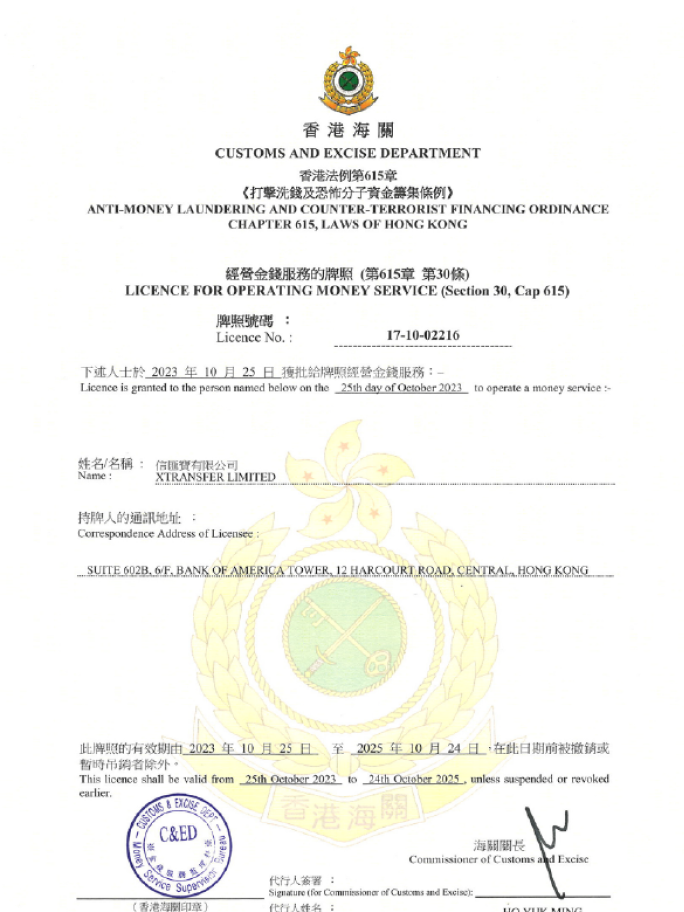
HK MSO License
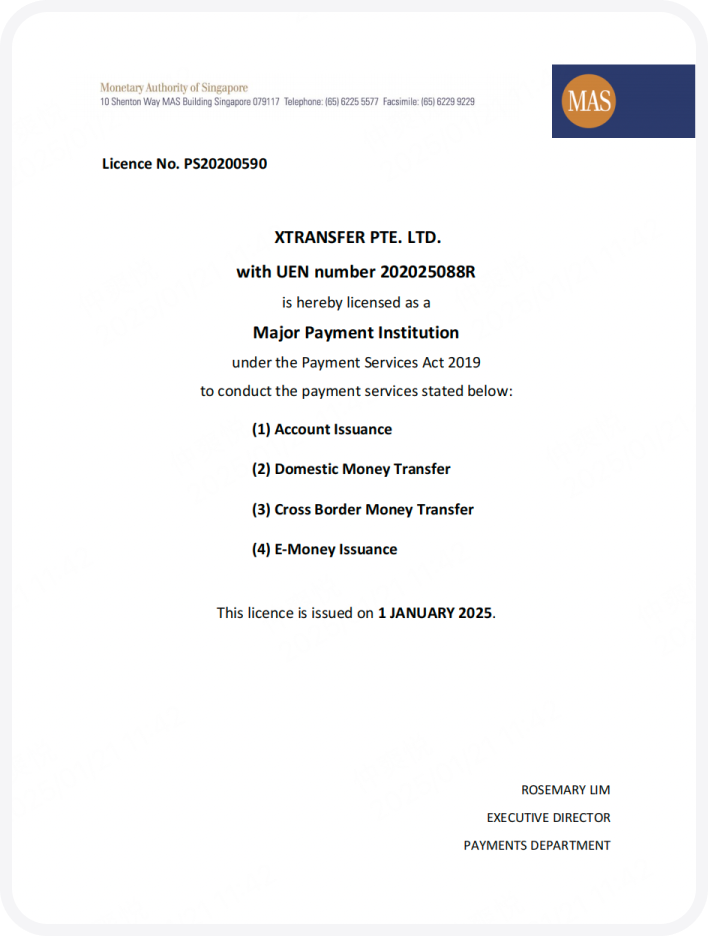
Singapore
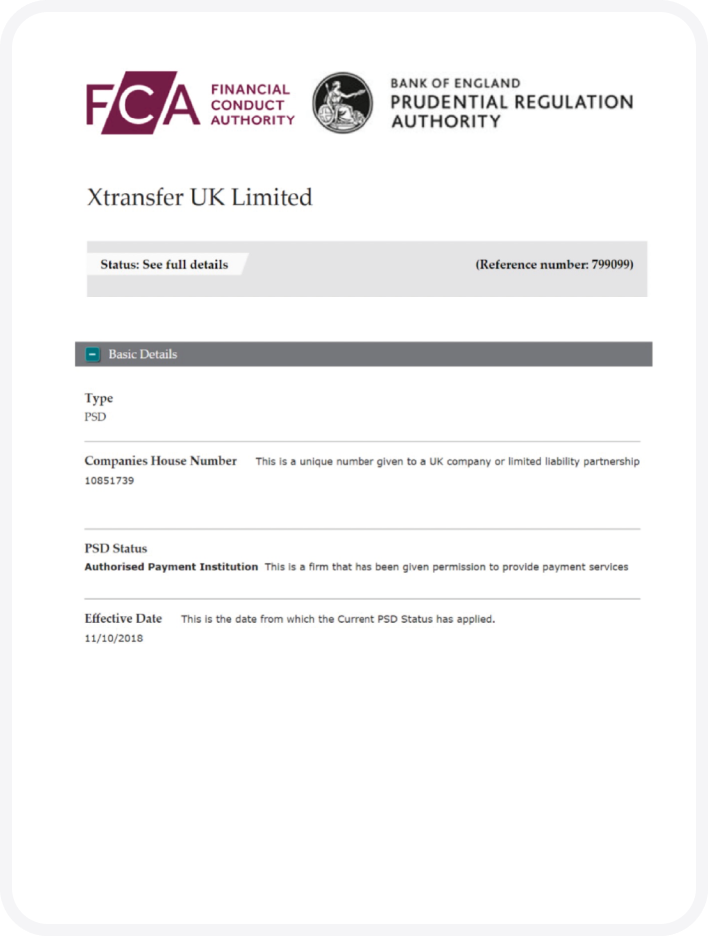
UK API License
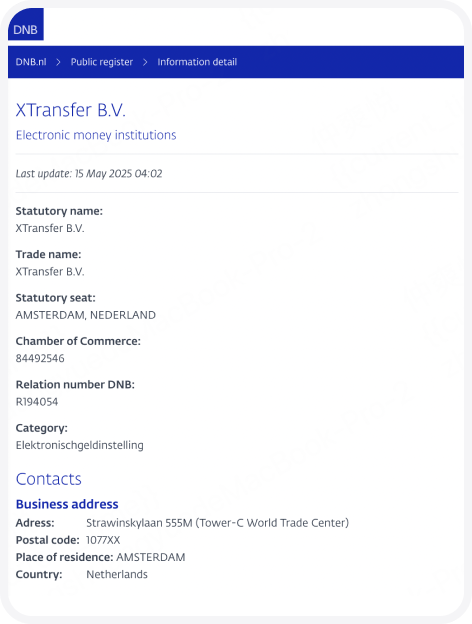
Netherlands
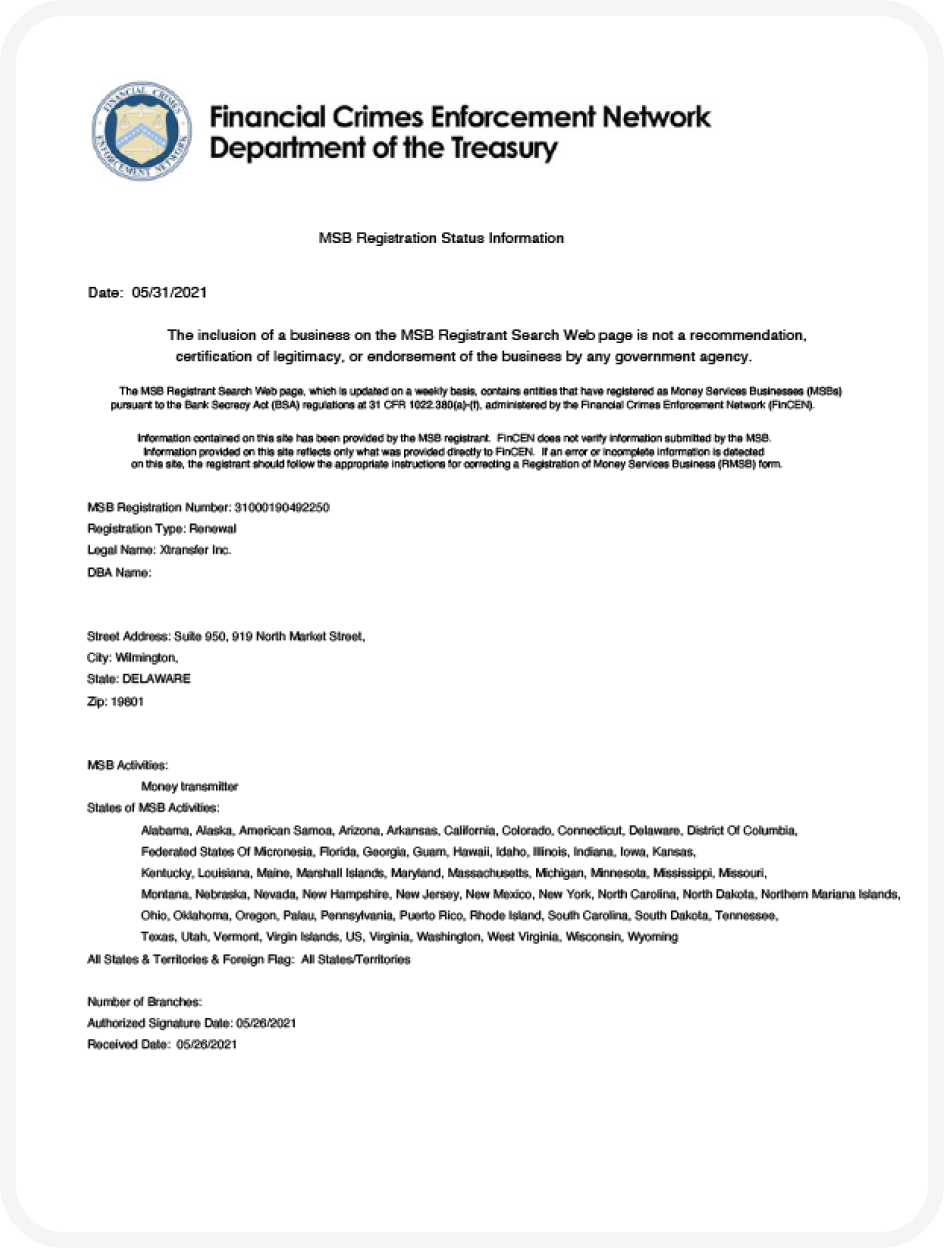
US MSB
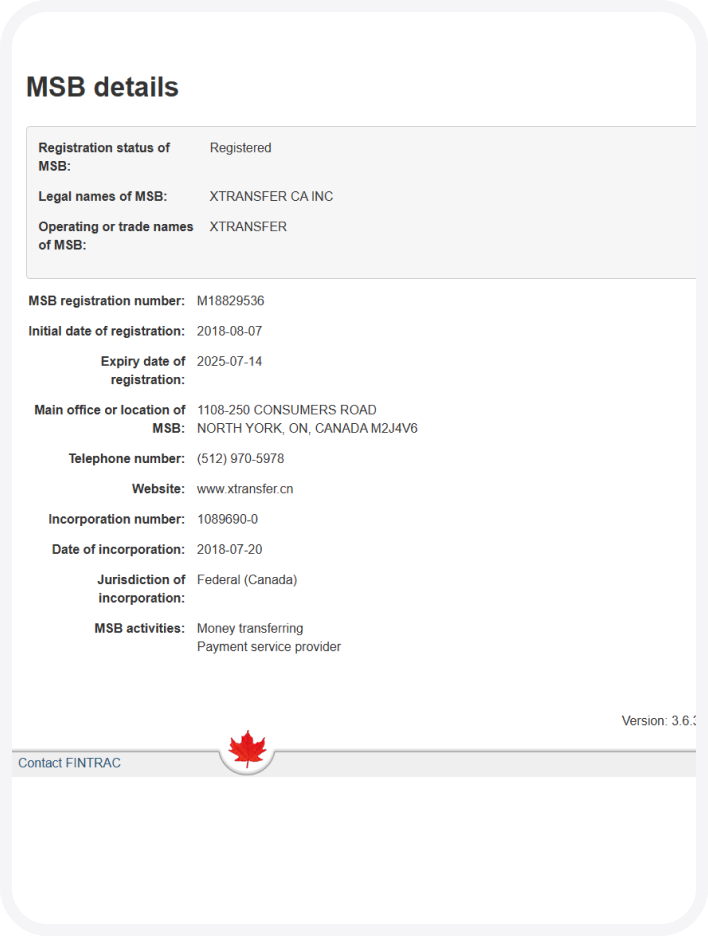
CA MSB
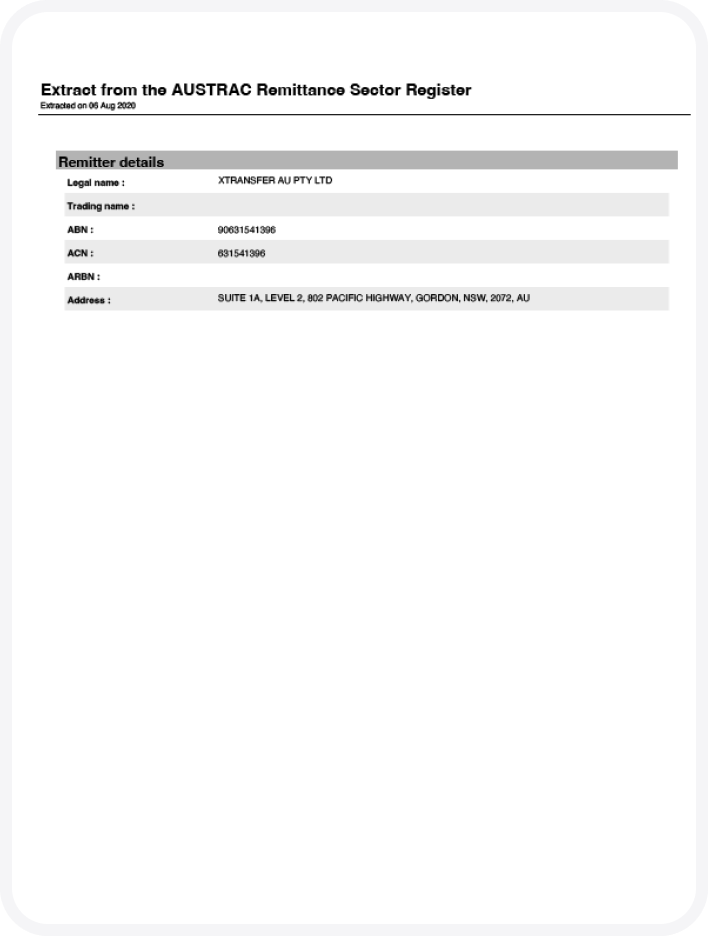
AU RSP