XTransfer
  • Products & Services
  • About Us
  • Help & Support
English
Create account
100000 NZD to USD Exchange Rate | NZD to USD - XTransfer

100000NZD to USD exchange rate

YOUR CHOICE FOR GLOBAL TRADE PAYMENT

Pay to China & get paid globally
Free to open business accounts
24/7 instant payment
Exchange USD/RMB, no limit, no block

NZD to USD

Amount
Result

1 NZD = 0.5824 USD

12:30 Exchange Rate

Send money

Solve Crossborder Payment Difficulties, Start with a Compliant Entity!

Learn More

NZD to USD  AI Predictive Analysis

XTransfer is China’s leading B2B foreign-trade finance platform, offering small, medium, and micro enterprises secure, convenient, and cost-effective international payment‑collection solutions—with zero account‑opening fees and zero transaction fees. New users can register to receive up to RMB 200,000 in free foreign‑exchange settlement quota. The current NZD/USD exchange rate shows a moderate upward trend, the market is concerned about the New Zealand Federal Reserve and the Federal Reserve monetary policy differentiation, AI forecasts can help users accurately grasp the short-term trend.

Learn more

As of May 30, 2026

Key Dates to Watch:May 30, 2026
Analysis of influencing factors:Fed policy expectations, New Zealand inflation data, dollar index trend
Recent volatility:Moderate
Technical Brief Commentary:Price breaks through the upper edge of the recent consolidation range, MACD gold fork, short-term momentum is strong.
Potential resistance level:0.5980
AI confidence index:Middle and high
titleLeft:NZD to USD
Operating Recommendations:Buy on dips and take profits near resistance levels.
Market sentiment:Cautiously optimistic
Trend Forecast:Short-term strong, oscillating upward movement
Current exchange rate:0.5929
Prediction time range:The next 1–2 weeks
Potential support level:0.5870

AI analysis is for reference only. Please judge based on actual conditions.

Send Money to China

XTransfer is a professional cross-border trade payment platform that enables users to transfer funds to China safely, quickly, and conveniently. Supporting account opening and transfers for business users, XTransfer provides efficient, low-cost international remittance services to meet your global payment needs.
partnersAI-integrated, for reference only

1 USD to CNY Historical Exchange Rate Trends

1 USD = -- CNY

08:47 Exchange Rate

USD - CNY+0%
History
7D
1M
3M
Invalid DateInvalid Date

NZDNZD - New Zealand Dollar

The New Zealand dollar was introduced in 1967 to replace the New Zealand pound. The NZD is an important currency in the Pacific region, supporting agricultural exports and tourism, reflecting the country's stable economic environment.

  • Supporting unit:1 yuan = 100 cents
  • Denomination of banknotes:5, 10, 20, 50, 100 New Zealand dollars
  • Reserve currency:Yes, the New Zealand dollar is regarded as a minor reserve currency.
  • Banknote material:Made of all-polymer material, it features high anti-counterfeiting performance.
  • Metal composition:Copper-nickel alloy, aluminum bronze, nickel-plated steel, etc.
  • Currency symbol:$ 或 NZ$
  • Paper currency size:For example, 100 NZD is 155mm × 74mm.
  • language:en
  • Main unit:New Zealand Dollar (NZD)
  • ISO code:NZD
  • Currency name:New Zealand Dollar
  • Exchange Rate System:Freely floating exchange rate system
  • Central Bank:Reserve Bank of New Zealand
  • Safe-haven currency:No, but it is often regarded by investors as a high-yield currency with certain arbitrage characteristics.
  • Coin denomination:10 cents, 20 cents, 50 cents, $1, $2
  • Countries of Use:New Zealand, Cook Islands, Niue, Tokelau, Pitcairn Islands
  • Cross-border payment:Supports global remittances through the SWIFT network. NZD has a certain level of acceptance in Oceania and Asian financial centers, and is typically converted through USD or AUD for cross-border payments.

USDUSD - Dollar

The US dollar officially became the official currency of the United States in 1792, initially adopting the gold and silver standard. After World War II, the US dollar became the world's main reserve currency in the Bretton Woods system. In 1971, the United States abolished the peg of the US dollar to gold and switched to a floating exchange rate. Today, the US dollar is still the dominant currency in global trade, investment and financial markets, enjoying a high degree of international credit and widespread use.

  • Supporting unit:1 cent
  • Denomination of banknotes:$1, $5, $10, $20, $50, $100
  • Reserve currency:The US dollar is the world's primary reserve currency.
  • Banknote material:Made primarily of 75% cotton and 25% linen.
  • Metal composition:Alloys such as copper, nickel, and zinc
  • Currency symbol:$ or US$
  • Paper currency size:156mm × 66mm (All denominations have the same size)
  • language:en
  • Main unit:1 US dollar
  • ISO code:USD
  • Currency name:US dollar
  • Cents per dollar:100
  • Exchange Rate System:Floating exchange rate system
  • Central Bank:Federal Reserve System
  • Safe-haven currency:The US dollar is usually regarded as a safe-haven currency.
  • Coin denomination:1¢, 5¢, 10¢, 25¢, 50¢, $1
  • Countries of Use:The United States (including some overseas territories) and certain countries and regions that use the US dollar as their official or circulating currency.
  • Cross-border payment:The dollar cross-border payment network covers approximately 200 countries and regions worldwide.
NZDNZD
The nzd currency has a special base. New Zealand’s economy used to depend a lot on sheep farming and dairy. Now, technology, services, and tourism are important for the new zealand dollar. The table below shows how the economy has changed:SectorPercentage of GDPAgriculture, fishing, forestry, and mining8%Services (including tourism)75%Industry17%Exports are still very important for the dollar, especially farm goods. The Reserve Bank of New Zealand watches the exchange rate closely. It reacts to ...
Click to read
USDUSD
For many SMEs, cross-border e-commerce sellers, and international trading companies, global business eventually comes down to one very practical question: how do you move money across borders without losing too much time, margin, or control in the process?That question becomes even more important when transactions are tied to cross-border USD payments. The US dollar still sits at the center of global trade, which means businesses in completely different countries often end up using the same curr...
Click to read

Our Strength

    24/7 RealTime Online Currency Exchange

    24/7 RealTime Online Currency Exchange

    Whether it's a holiday, weekend, or late at night — whenever you want, exchange NZD to USD anytime!

    Constant Access to Market-Beating Rates

    Constant Access to Market-Beating Rates

    Enjoy secure and compliant exchange at competitive rates with 0 exchange loss
    FX limit orders

    FX limit orders

    Set a limit order to automatically exchange at your preferred NZD to USD rate

    Hong Kong/Chinese mainland Company Registration

    Hong Kong/Chinese mainland Company Registration

    XTransfer connects you with licensed secretaries to register your company and activate global payment reception quickly and remotely.

Partner

BARCLAYS
Deutsche_Bank
DBS
BANK OF CHINA

Our licenses

China

China

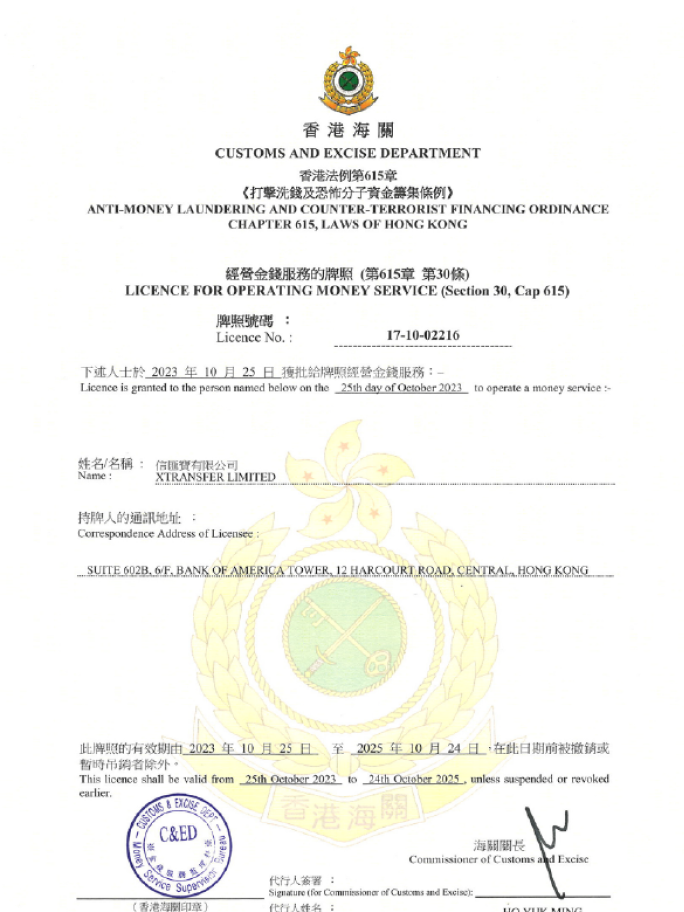
HK MSO License

HK MSO License

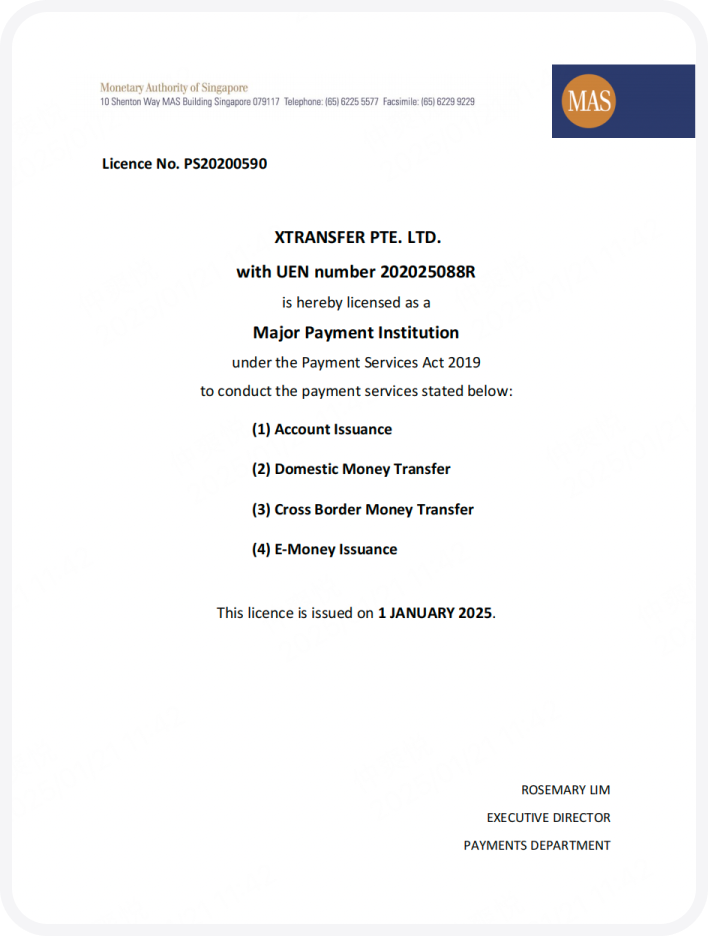
Singapore

Singapore

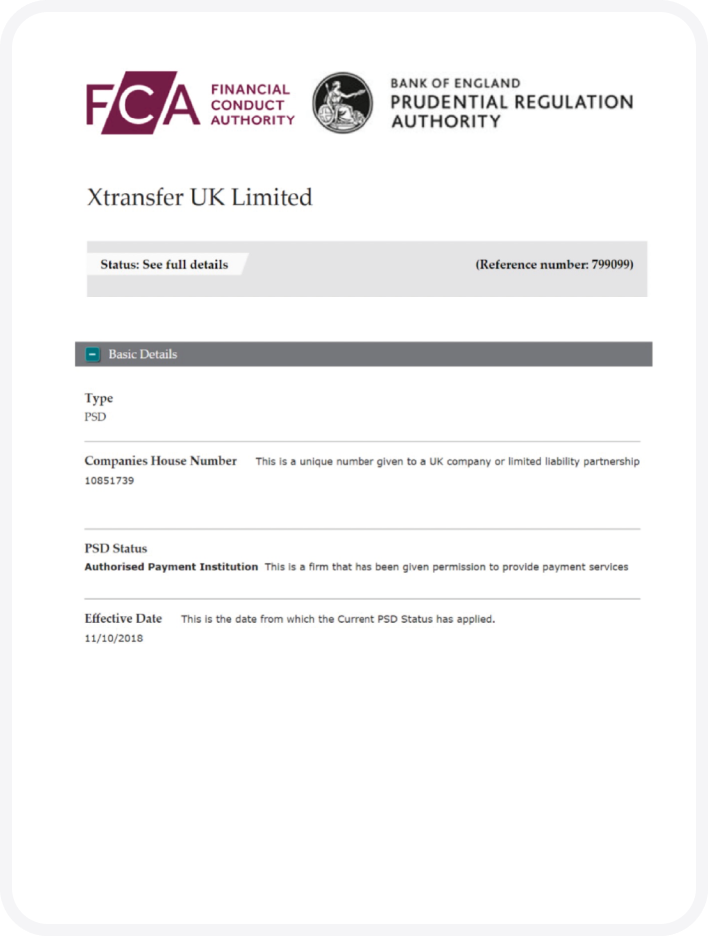
UK API License

UK API License

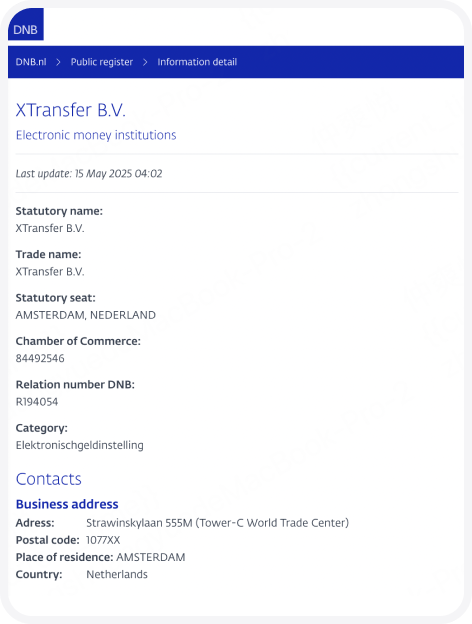
Netherlands

Netherlands

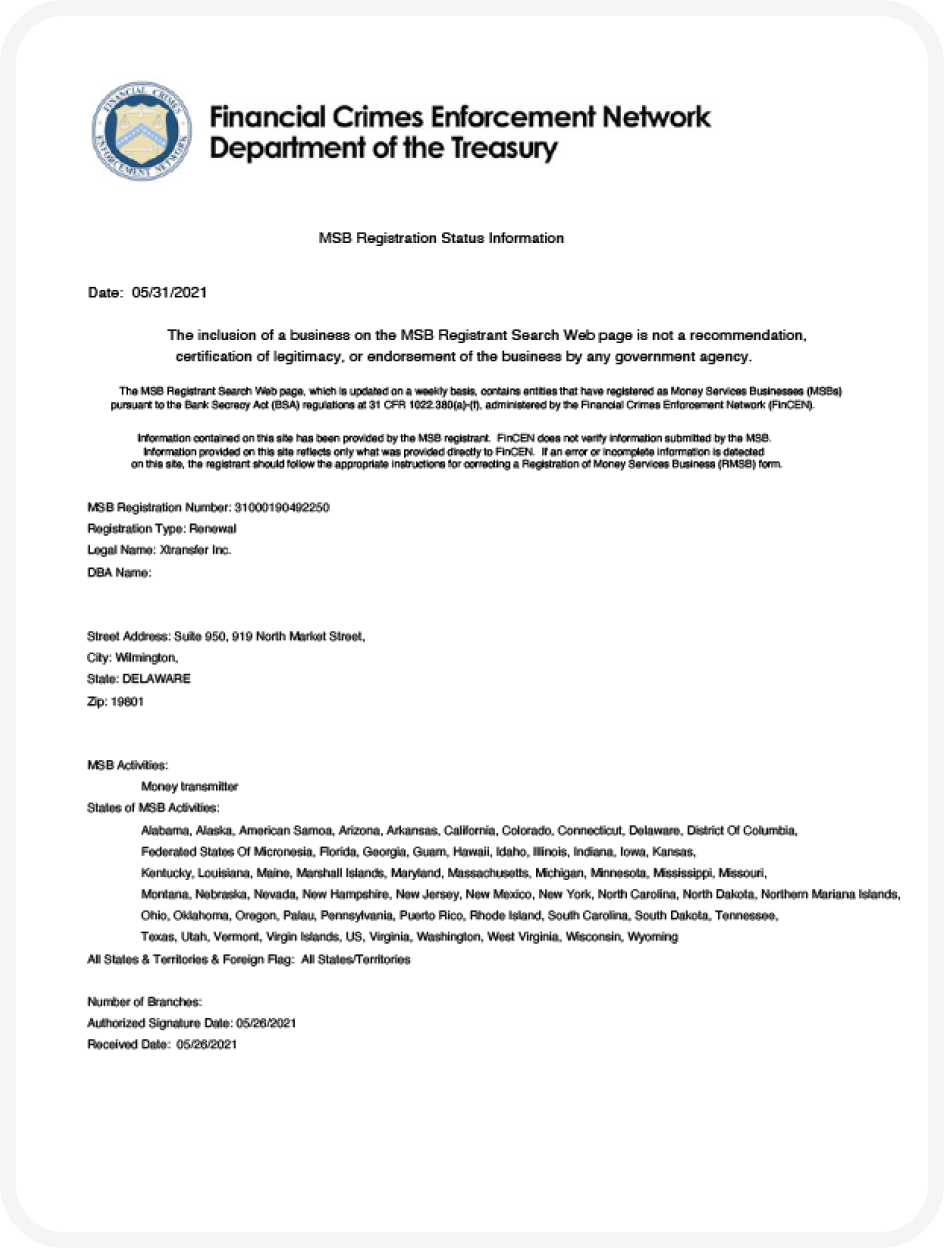
US MSB

US MSB

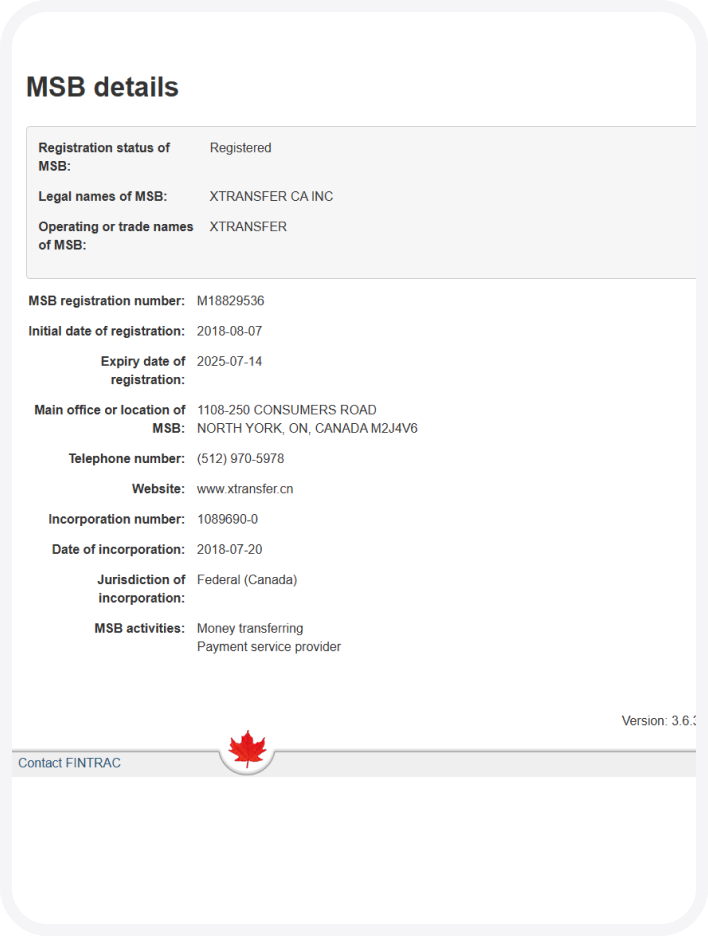
CA MSB

CA MSB

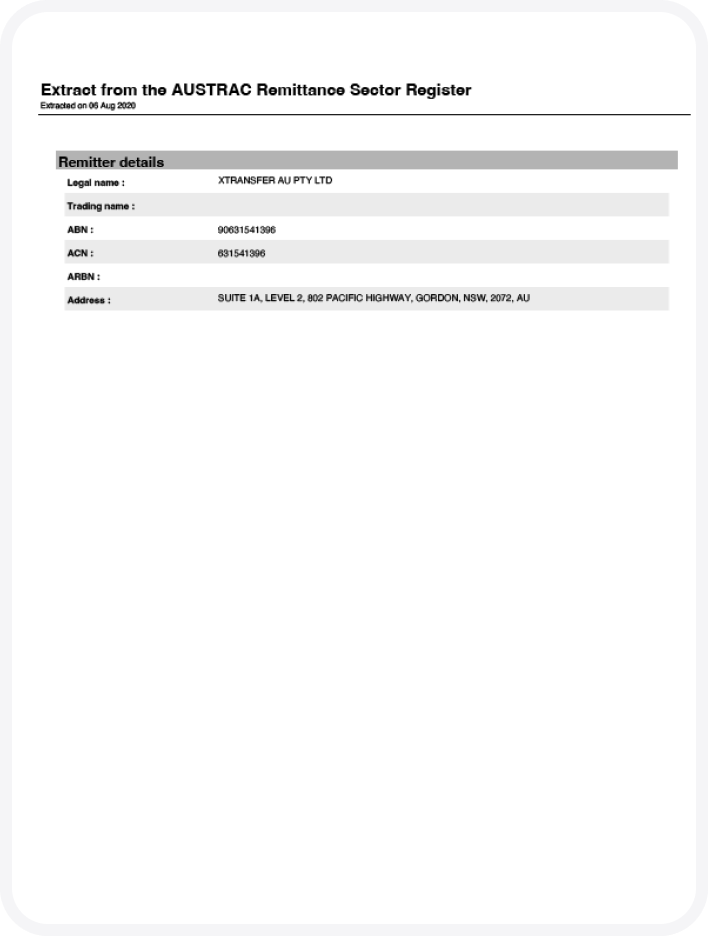
AU RSP

AU RSP

FAQ

With NZD to USD exchange rate fluctuations, will I receive less money?

Yes, the real-time exchange rate fluctuations between NZD and USD directly impact your trade profits. Due to the time lag in international payments, if NZD depreciates or USD strengthens at the time of settlement, the actual amount of USD you receive will decrease due to exchange losses. Therefore, monitoring the trend of NZD and choosing the right exchange rate window is key to ensuring your trade proceeds do not shrink.

Why is the bank's exchange rate different from the one I found online?

The exchange rates found online are usually mid-market rates, which serve only as a market reference and are not the bank's actual transaction price. When performing currency settlement, banks deduct a "spread" (the difference between buying and selling prices) from the real-time mid-market rate to cover transaction costs. This spread causes the final amount you receive to be lower than the theoretical value calculated at the mid-market rate. Therefore, when calculating the actual profit of trade orders, you should rely on the bank's real-time "buying rate" rather than the reference rate.

Are AI-predicted exchange rates for NZD to USD accurate?

AI predictions for NZD to USD are trend references based on historical big data and market sentiment models. While AI can capture the patterns of NZD through algorithms, it is difficult to 100% foresee sudden international political events or policy adjustments. Therefore, the predicted value of NZD to USD should serve as a supplementary suggestion for choosing a settlement window, rather than an absolute guarantee of the transaction price.

Are there any hidden fees when exchanging NZD to USD?

In cross-border transactions involving NZD to USD, intermediary bank deductions are the most common hidden cost. When NZD is sent through non-direct banking routes, correspondent banks will deduct a service fee, resulting in the actual amount of USD received being less than expected. To ensure your NZD order profits are not eroded, it is recommended to confirm whether the receiving bank supports the "Full Pay" (OUR) mode before initiating the NZD exchange to avoid extra fees during USD credit.

Why do different banks offer different exchange rates for NZD to USD?

This is because there is no unified fixed exchange rate globally; financial institutions add their own "spread" to the international mid-market rate of NZD to USD. Different banks have varying position management and operational costs for NZD, which directly determines the fluctuations in their NZD settlement prices. Therefore, when converting NZD to USD, businesses will find slight differences in real-time quotes, and choosing a channel with a lower spread can yield more USD.

How to conduct international cross-border payments conveniently?

The key to efficient international settlement lies in shortening the intermediate transfer links of global currencies. Through XTransfer, a one-stop foreign trade financial service platform, enterprises can quickly open multi-currency global collection accounts online without queuing at physical branches, enabling real-time payment, collection, and settlement. The compliance declaration consulting and exchange settlement services provided by XTransfer effectively solve the challenges of slow arrivals and opaque fees, making it a more convenient choice for SMEs handling bulk trade settlements.

Is it really safe to send money online via XTransfer?

XTransfer is absolutely secure. Your funds are protected by our top-level security measures to ensure every transaction is safeguarded. If there is a delay, we will refund the service fee to compensate your loss.
Disclaimer: The exchange rate data on this page is collected from public sources for reference only. Due to frequent fluctuations, XTransfer cannot guarantee accuracy or timeliness. Please refer to the real-time quotes from banks, related institutions, or trading systems.