
1Ghanaian cedi to Kenyan shilling exchange rate
YOUR CHOICE FOR GLOBAL TRADE PAYMENT
Pay to China & get paid globally
Free to open business accounts
24/7 instant payment
Exchange USD/RMB, no limit, no block
GHS to KES
1 GHS = 11.1666 KES
14:29 Exchange Rate
Solve Crossborder Payment Difficulties, Start with a Compliant Entity!
GHS to KES AI Predictive Analysis
XTransfer is the first platform for B2B foreign trade finance in China. It provides safe, convenient and low-cost international collection solutions for small, medium and micro enterprises, with 0 account opening fee and 0 handling fee. New users can receive up to 200000 RMB free foreign exchange settlement quota for registration. The current GHS/KES market is characterized by volatility, with investors focusing on changes in economic policy and market sentiment, and AI forecasts can help users grasp trends.
As of January 06, 2026
| analysis of influencing factors: | Exchange Rate Policy, International Trade, Global Economic Situation |
| potential resistance level: | 12.35 |
| Operational recommendations: | Wait-and-see-oriented, timely bargain-hunting layout |
| Forecast Time Range: | Next 1-2 weeks |
| Market sentiment: | Cautiously optimistic |
| Brief Technical Review: | The moving average is long, but you need to be alert to the risk of a correction. |
| Recent volatility: | Medium |
| AI confidence index: | medium high |
| Potential support level: | 12.25 |
| trend prediction: | Short-term shocks to the upside |
AI analysis is for reference only. Please judge based on actual conditions.

Pay and get paid in local currency. Save up to 80% on your currency exchanges.

Send Money to China
 AI-integrated, for reference only
1 USD to CNY Historical Exchange Rate Trends
1 USD = -- CNY
23:19 Exchange Rate
Ghanaian cedi Exchange Rate Conversion Table


 GHS - Ghanaian Cedi
The Ghanaian cedi replaced the old cedi in 2007, marking a process of currency modernization. The stability of the cedi has supported Ghana's economic growth, especially in the agricultural and mining sectors, and the cedi plays a key role in the domestic economy.
- Supporting unit:1 Sedi = 100 Pesewa
- Denomination of banknotes:₵1, ₵2, ₵5, ₵10, ₵20, ₵50, ₵100, ₵200
- Reserve currency:No, it is primarily used for domestic circulation.
- Banknote material:Mixed cotton paper and polymer materials, featuring anti-counterfeiting holographic threads and watermarks.
- Metal composition:Copper-clad steel, stainless steel, nickel alloy, etc.
- Currency symbol:₵
- Paper currency size:₵50 measures 146mm × 70mm, with slight variations in different denominations.
- language:en
- Main unit:Cedi
- ISO code:GHS
- Currency name:Ghana Sedi
- Exchange Rate System:Freely floating exchange rate system
- Central Bank:Bank of Ghana
- Safe-haven currency:No, the currency value fluctuates significantly and does not have hedging properties.
- Coin denomination:1, 5, 10, 20, 50 Pesos; ₵1, ₵2
- Countries of Use:Ghana is the only country that uses a legal tender currency.
- Cross-border payment:International transfers are conducted through the SWIFT network in conjunction with the domestic banking system; however, due to regional banking relationships, cross-border payments often require the involvement of intermediary banks.
 KES - Kenyan Shilling
The Kenyan Shilling was introduced in 1966 to replace the East African Monetary Unit. The KES plays a key role in East African Community trade, supports the development of the country's agriculture and service industries, and is an important pillar of Kenya's economy.
- Supporting unit:1 shilling = 100 pence (cent)
- Denomination of banknotes:50, 100, 200, 500, 1000 shillings
- Reserve currency:No, it is mainly used for the domestic economy.
- Banknote material:Cotton paper, featuring a watermark and anti-counterfeiting line.
- Metal composition:Copper-nickel alloy, etc.
- Currency symbol:KSh
- Paper currency size:For example, 1000 shillings is approximately 150mm × 70mm.
- language:en
- Main unit:Shilling
- ISO code:KES
- Currency name:Kenyan Shilling
- Exchange Rate System:Floating exchange rate system
- Central Bank:Central Bank of Kenya
- Safe-haven currency:No, exchange rates are heavily influenced by regional economic and political factors.
- Coin denomination:1, 5, 10, 20 shillings
- Countries of Use:Kenya is the only country where it is officially used.
- Cross-border payment:International transfers are supported through the SWIFT network, with the Kenyan shilling being used in East African trade, while international transactions are primarily settled in US dollars or euros.
GHSKESOur Strength

24/7 RealTime Online Currency Exchange
Whether it's a holiday, weekend, or late at night — whenever you want, exchange Ghanaian cedi to Kenyan shilling anytime!

Constant Access to Market-Beating Rates
Enjoy secure and compliant exchange at competitive rates with 0 exchange loss
FX limit orders
Set a limit order to automatically exchange at your preferred Ghanaian cedi to Kenyan shilling rate

Hong Kong/Chinese mainland Company Registration
XTransfer connects you with licensed secretaries to register your company and activate global payment reception quickly and remotely.
Partner




Our licenses
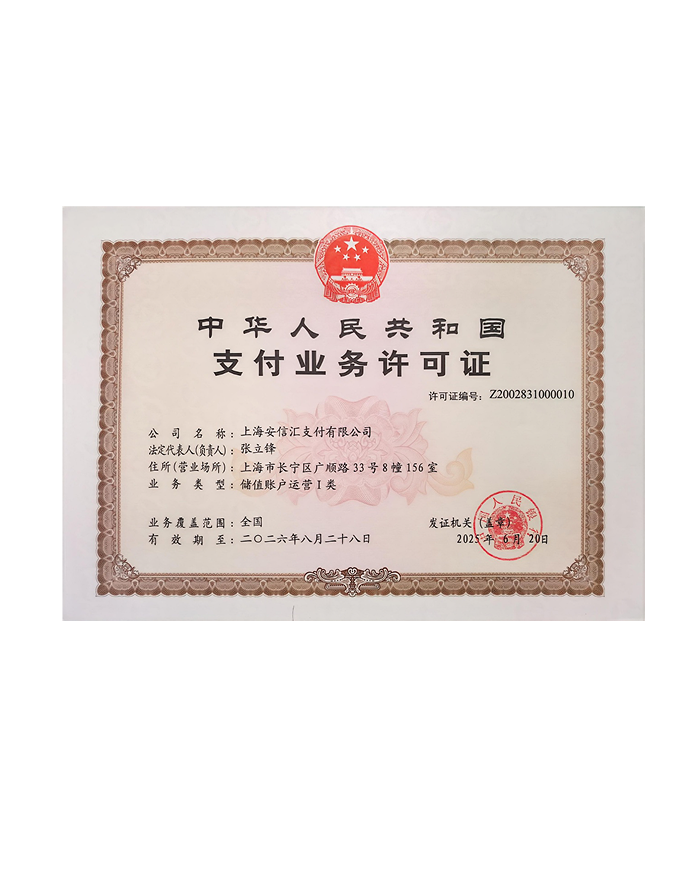
China
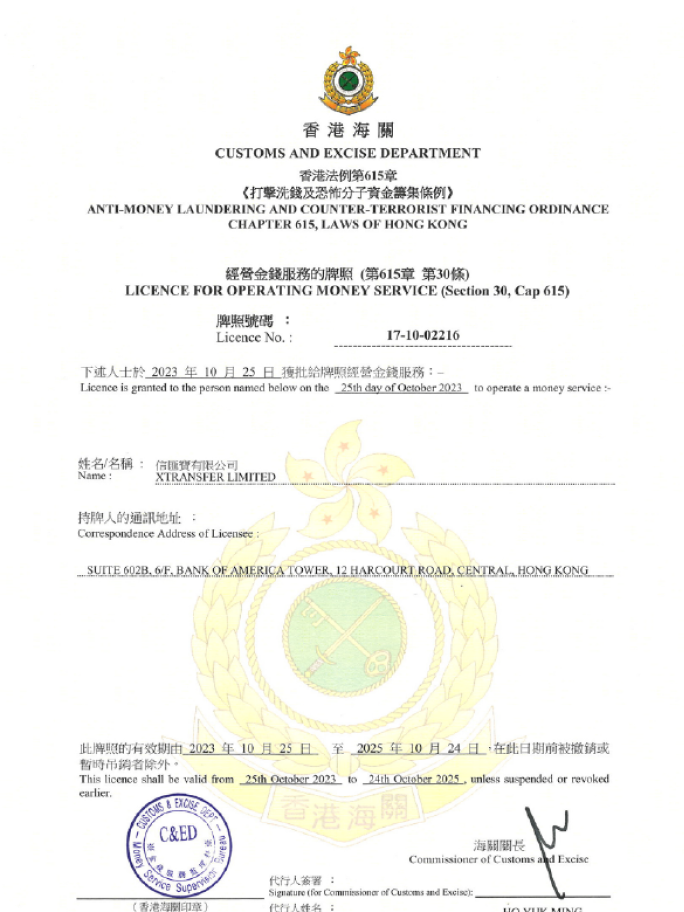
HK MSO License
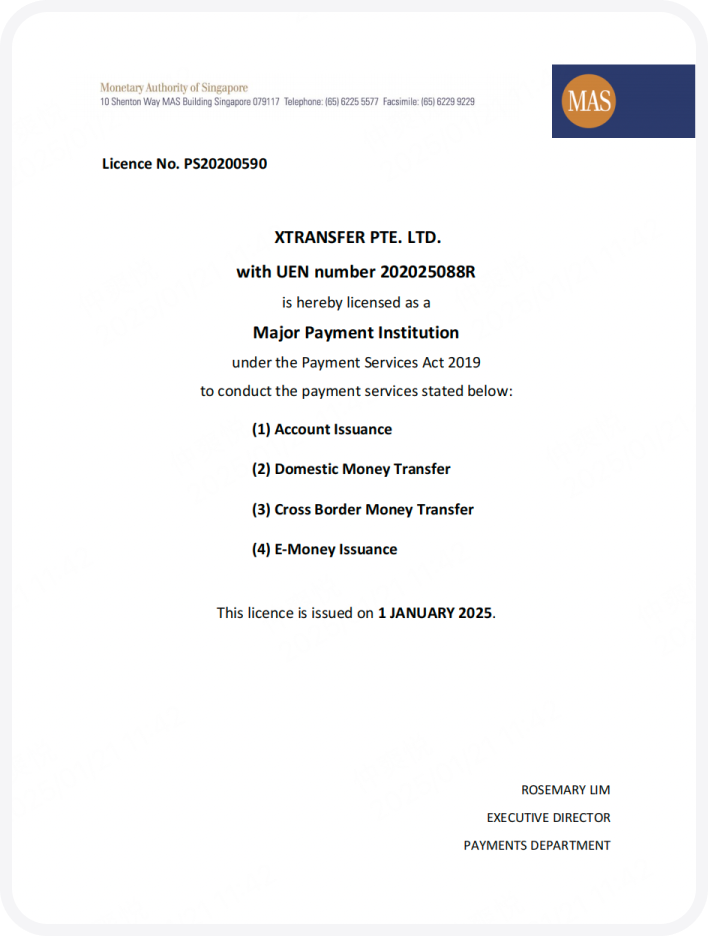
Singapore
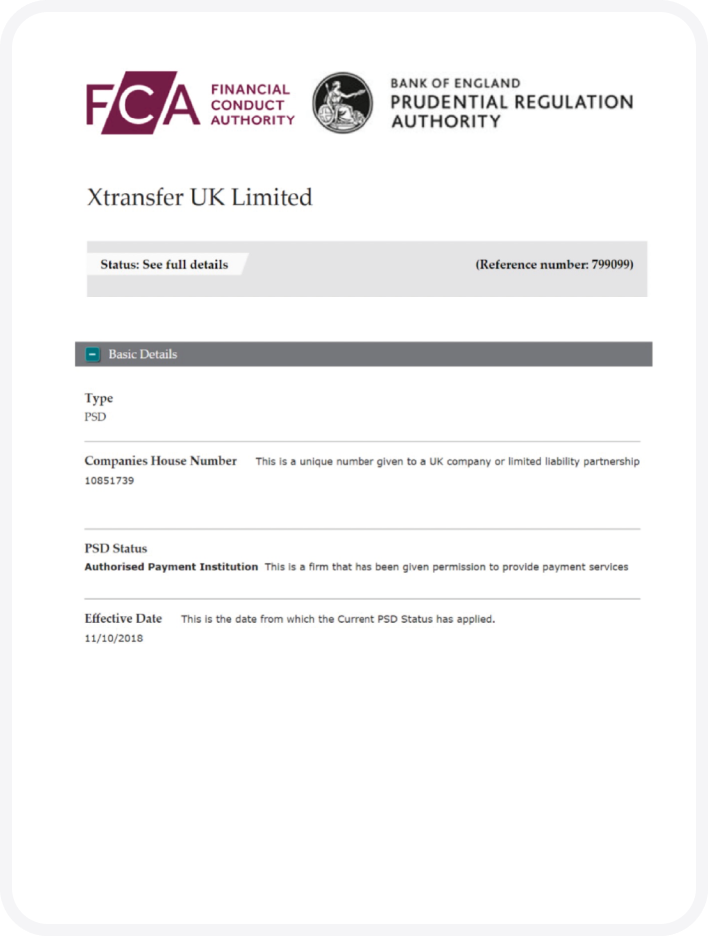
UK API License
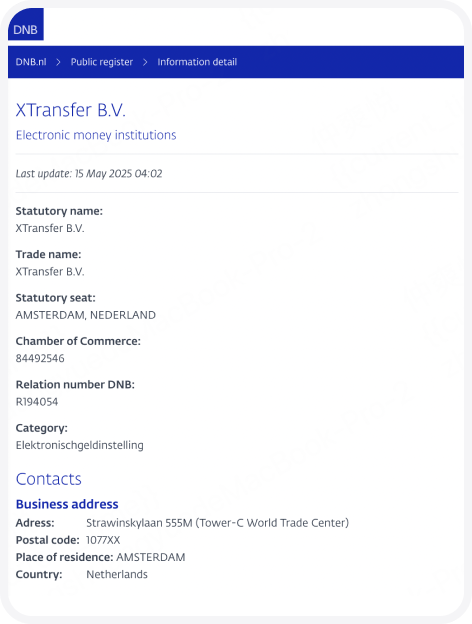
Netherlands
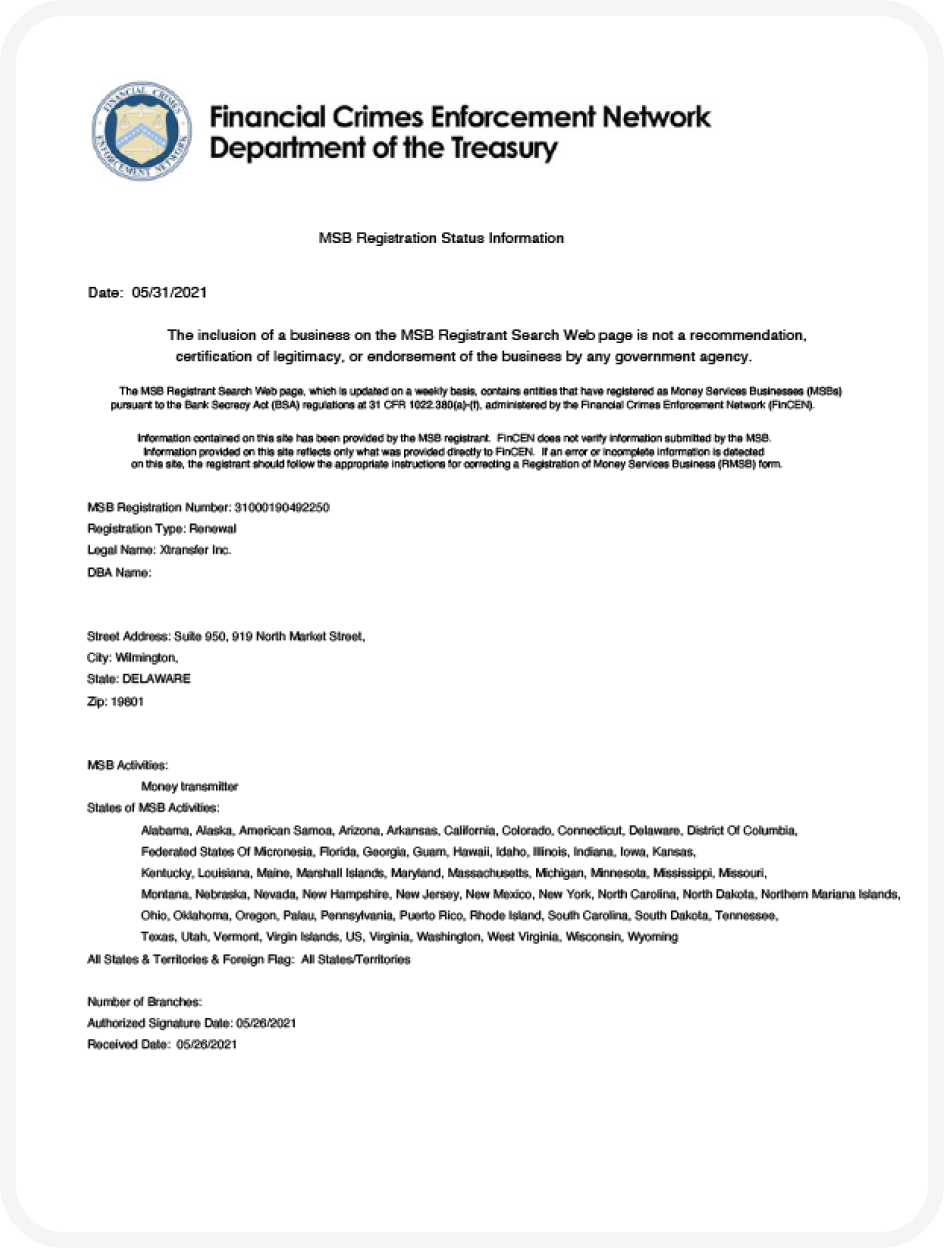
US MSB
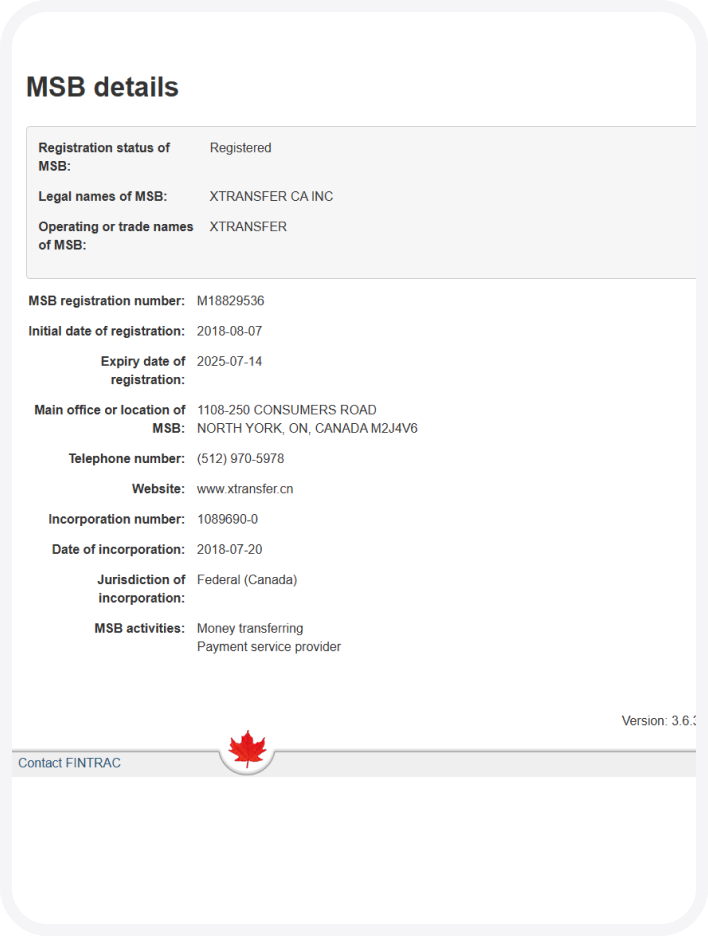
CA MSB
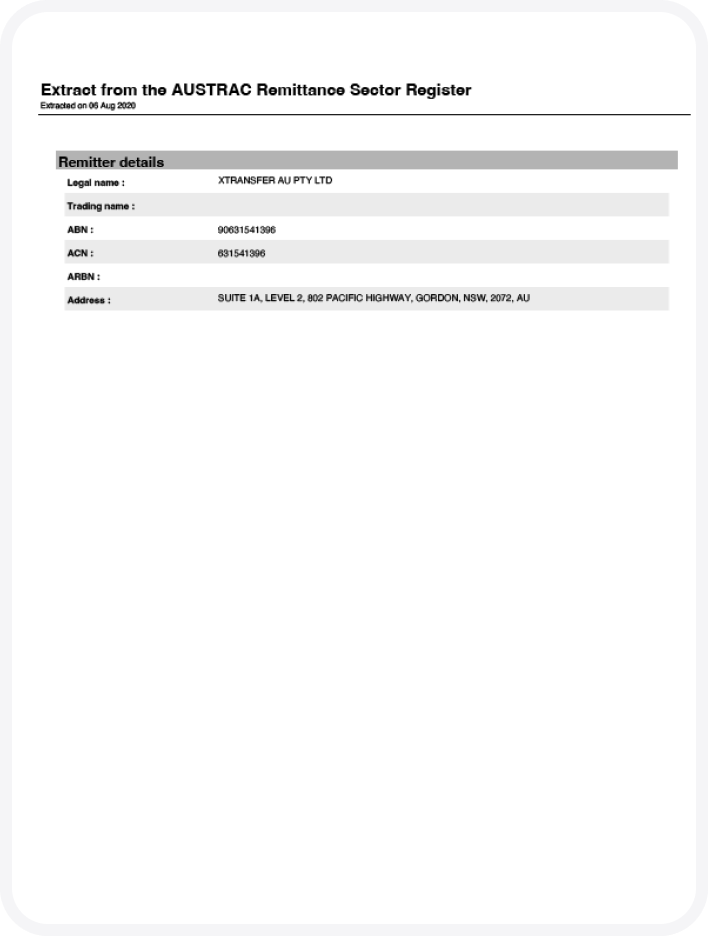
AU RSP