XTransfer
  • Products & Services
  • About Us
  • Help & Support
English
Create account
100 GHS to INR Exchange Rate | GHS to INR - XTransfer

100GHS to INR exchange rate

YOUR CHOICE FOR GLOBAL TRADE PAYMENT

Pay to China & get paid globally
Free to open business accounts
24/7 instant payment
Exchange USD/RMB, no limit, no block

GHS to INR

Amount
Result

1 GHS = 8.42336 INR

11:31 Exchange Rate

Send money

Solve Crossborder Payment Difficulties, Start with a Compliant Entity!

Learn More

GHS to INR  AI Predictive Analysis

XTransfer is the first platform for B2B foreign trade finance in China. It provides safe, convenient and low-cost international collection solutions for small, medium and micro enterprises, with 0 account opening fee and 0 handling fee. New users can receive up to 200000 RMB free foreign exchange settlement quota for registration. The current GHS/INR market is less volatile, focusing on economic policy and international trade dynamics, and AI forecasts can help users grasp trends.

Learn more

As of August 14, 2025

analysis of influencing factors:Economic Data, Trade Policy
potential resistance level:8.35
Operational recommendations:Stay on the sidelines and buy at the right time.
Forecast Time Range:Next 1-2 weeks
Market sentiment:Cautiously optimistic
Brief Technical Review:The moving average is multi-headed, and the K-line pattern is strong.
Recent volatility:Low
AI Confidence Index:Higher
Potential support level:8.25
trend prediction:Short-term shocks to the upside

AI analysis is for reference only. Please judge based on actual conditions.

Send Money to China

XTransfer is a professional cross-border trade payment platform that enables users to transfer funds to China safely, quickly, and conveniently. Supporting account opening and transfers for business users, XTransfer provides efficient, low-cost international remittance services to meet your global payment needs.
partnersAI-integrated, for reference only

1 USD to CNY Historical Exchange Rate Trends

1 USD = -- CNY

08:59 Exchange Rate

USD - CNY+0%
History
7D
1M
3M
Invalid DateInvalid Date

GHSGHS - Ghanaian Cedi

The Ghanaian cedi replaced the old cedi in 2007, marking a process of currency modernization. The stability of the cedi has supported Ghana's economic growth, especially in the agricultural and mining sectors, and the cedi plays a key role in the domestic economy.

  • Supporting unit:1 Sedi = 100 Pesewa
  • Denomination of banknotes:₵1, ₵2, ₵5, ₵10, ₵20, ₵50, ₵100, ₵200
  • Reserve currency:No, it is primarily used for domestic circulation.
  • Banknote material:Mixed cotton paper and polymer materials, featuring anti-counterfeiting holographic threads and watermarks.
  • Metal composition:Copper-clad steel, stainless steel, nickel alloy, etc.
  • Currency symbol:
  • Paper currency size:₵50 measures 146mm × 70mm, with slight variations in different denominations.
  • language:en
  • Main unit:Cedi
  • ISO code:GHS
  • Currency name:Ghana Sedi
  • Exchange Rate System:Freely floating exchange rate system
  • Central Bank:Bank of Ghana
  • Safe-haven currency:No, the currency value fluctuates significantly and does not have hedging properties.
  • Coin denomination:1, 5, 10, 20, 50 Pesos; ₵1, ₵2
  • Countries of Use:Ghana is the only country that uses a legal tender currency.
  • Cross-border payment:International transfers are conducted through the SWIFT network in conjunction with the domestic banking system; however, due to regional banking relationships, cross-border payments often require the involvement of intermediary banks.

INRINR - Indian Rupee

The Indian rupee is centuries old, with the modern version in use since independence in 1947. The rupee is the foundation of India's large and diverse economy and is widely used in domestic trade, services and the growing digital payments market.

  • Supporting unit:1 rupee = 100 paise, but small denomination coins have largely ceased to be in circulation.
  • Denomination of banknotes:₹10, ₹20, ₹50, ₹100, ₹200, ₹500, ₹2000 (some higher denominations have been discontinued but are still in circulation)
  • Reserve currency:No, but it plays a certain role as a regional reserve currency in South Asia.
  • Banknote material:The main material is cotton paper, while some new versions use a polymer blend material, featuring anti-counterfeiting lines, watermarks, micro-printing, and other security features.
  • Metal composition:Steel, stainless steel, nickel-clad steel, copper-nickel alloy, etc.
  • Currency symbol:
  • Paper currency size:For example, ₹500 measures 150mm × 66mm, and different denominations have different sizes.
  • language:en
  • Main unit:1 Rupee
  • ISO code:INR
  • Currency name:Indian Rupee
  • Exchange Rate System:A managed floating exchange rate system, regulated by interventions from the Reserve Bank of India.
  • Central Bank:Reserve Bank of India (RBI)
  • Safe-haven currency:No, it is a currency in a highly volatile emerging market.
  • Coin denomination:₹1, ₹2, ₹5, ₹10, ₹20 (New Polygon Type)
  • Countries of Use:India is an official user of the currency, and countries like Nepal and Bhutan also accept the circulation of the rupee to a certain extent.
  • Cross-border payment:Access to the SWIFT network is widely used for remittances in South Asia and the Middle East, yet transactions in international trade are still predominantly settled in US dollars. In recent years, the Reserve Bank of India has encouraged the establishment of local currency settlement mechanisms with certain countries.
GHSGHS
The Ghanaian Cedi (GHS) serves as Ghana's official currency, symbolizing the nation's economic identity. As we introduce GHS currency dynamics in 2025, understanding its implications becomes essential for managing finances, planning trips, or making investments. For instance, Ghana's GDP is projected to reach $75.76 billion, with government debt expected to account for 79.52% of GDP. These figures highlight the importance of monitoring the currency's performance. Exchange rates, such as the rece...
Click to read
INRINR
AUD to INR Definition: The Exchange Rate Connecting Australia and IndiaAUD to INR refers to the process and exchange rate for converting Australian Dollars (AUD) into Indian Rupees (INR), a key operation in international trade, investment, and cross-border payments between Australia's resource-rich economy and India's rapidly growing market. The exchange rate indicates how many Indian rupees one Australian dollar purchases—for example, if AUD/INR is 56.00, then A$1,000 converts to ₹56,000.Why th...
Click to read

Our Strength

    24/7 RealTime Online Currency Exchange

    24/7 RealTime Online Currency Exchange

    Whether it's a holiday, weekend, or late at night — whenever you want, exchange GHS to INR anytime!

    Constant Access to Market-Beating Rates

    Constant Access to Market-Beating Rates

    Enjoy secure and compliant exchange at competitive rates with 0 exchange loss
    FX limit orders

    FX limit orders

    Set a limit order to automatically exchange at your preferred GHS to INR rate

    Hong Kong/Chinese mainland Company Registration

    Hong Kong/Chinese mainland Company Registration

    XTransfer connects you with licensed secretaries to register your company and activate global payment reception quickly and remotely.

Partner

OCBC
Deutsche_Bank
DBS
BANK OF CHINA

Our licenses

China

China

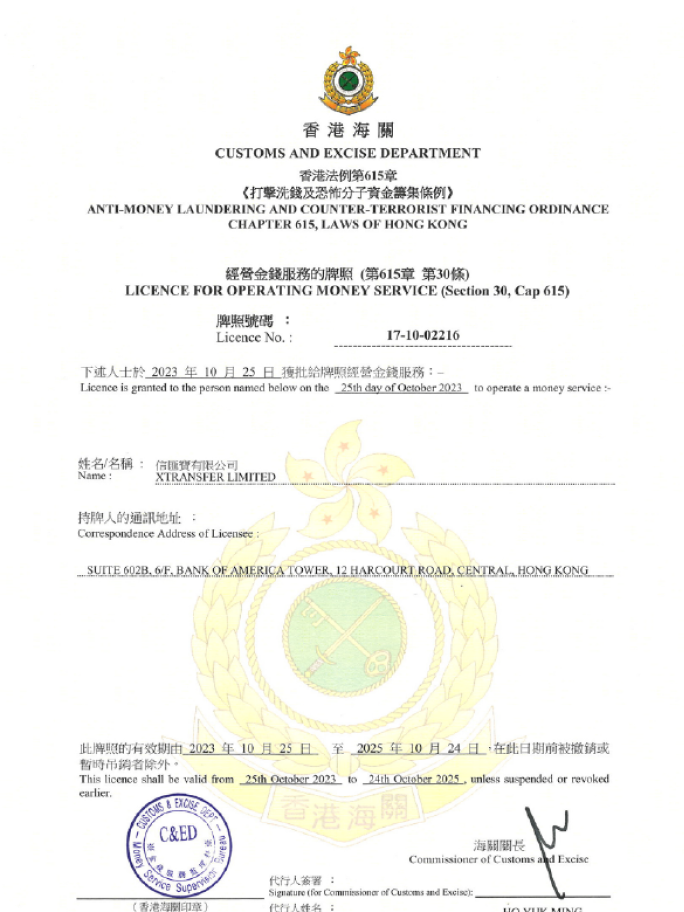
HK MSO License

HK MSO License

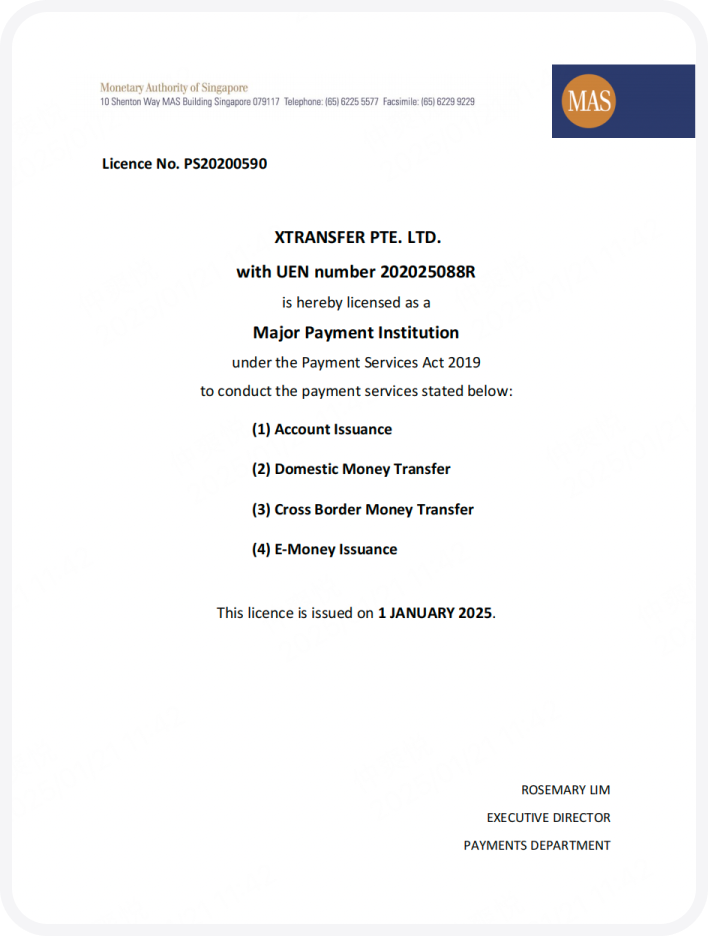
Singapore

Singapore

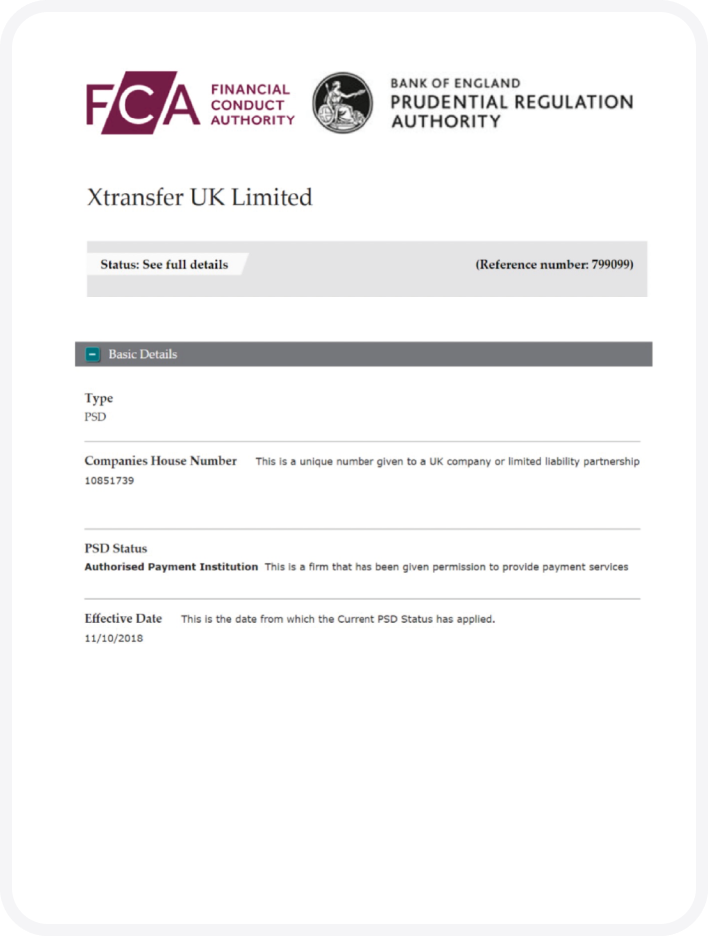
UK API License

UK API License

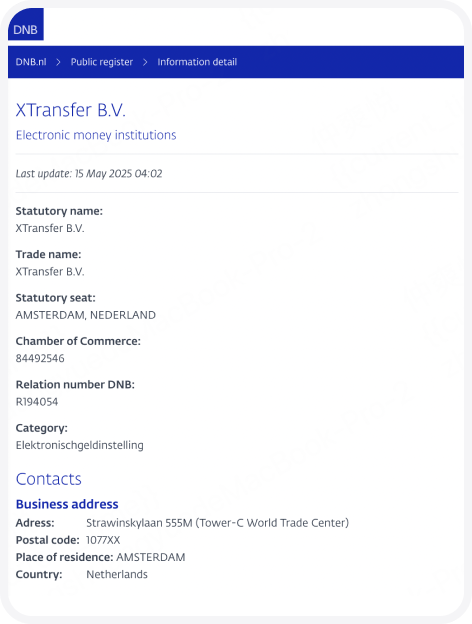
Netherlands

Netherlands

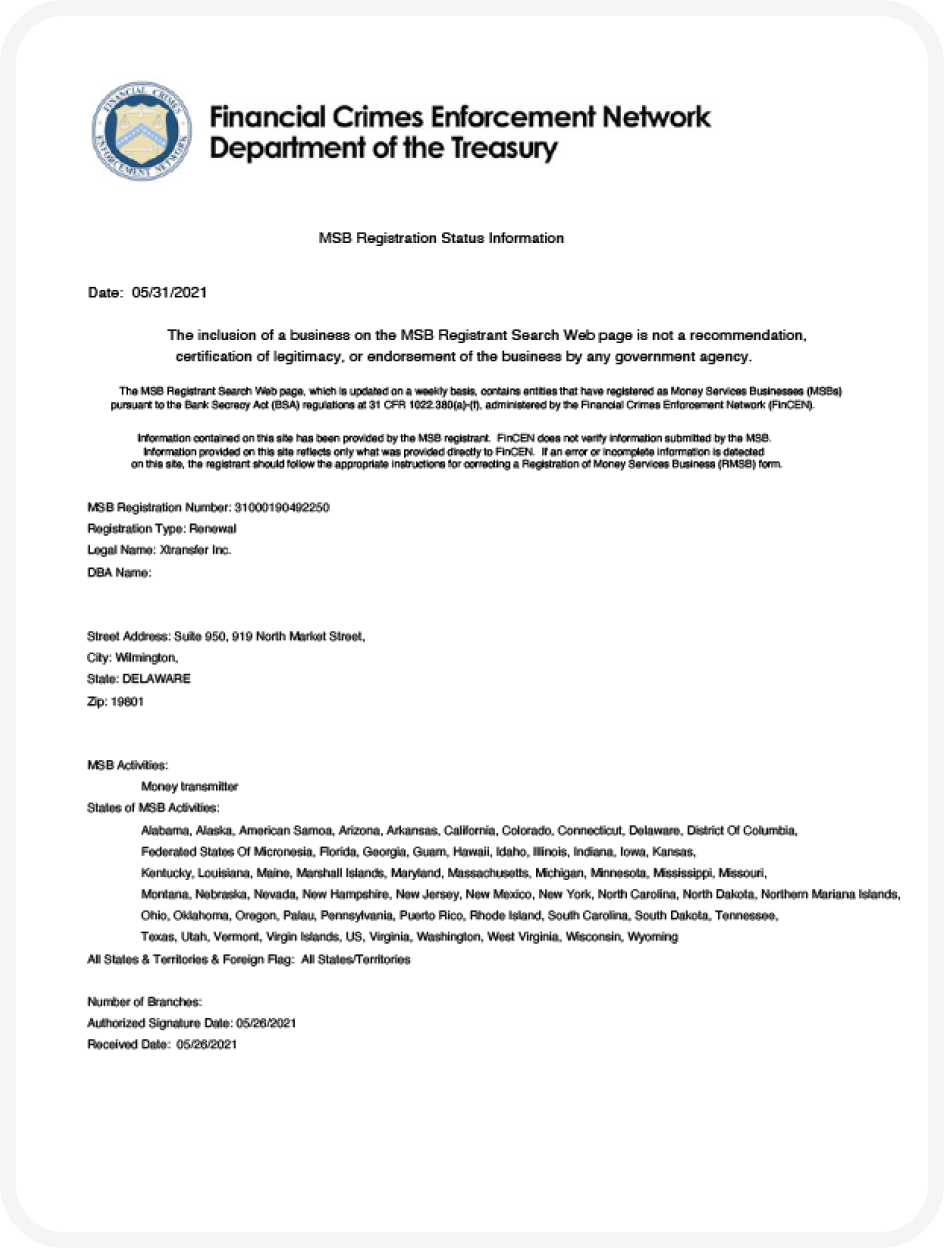
US MSB

US MSB

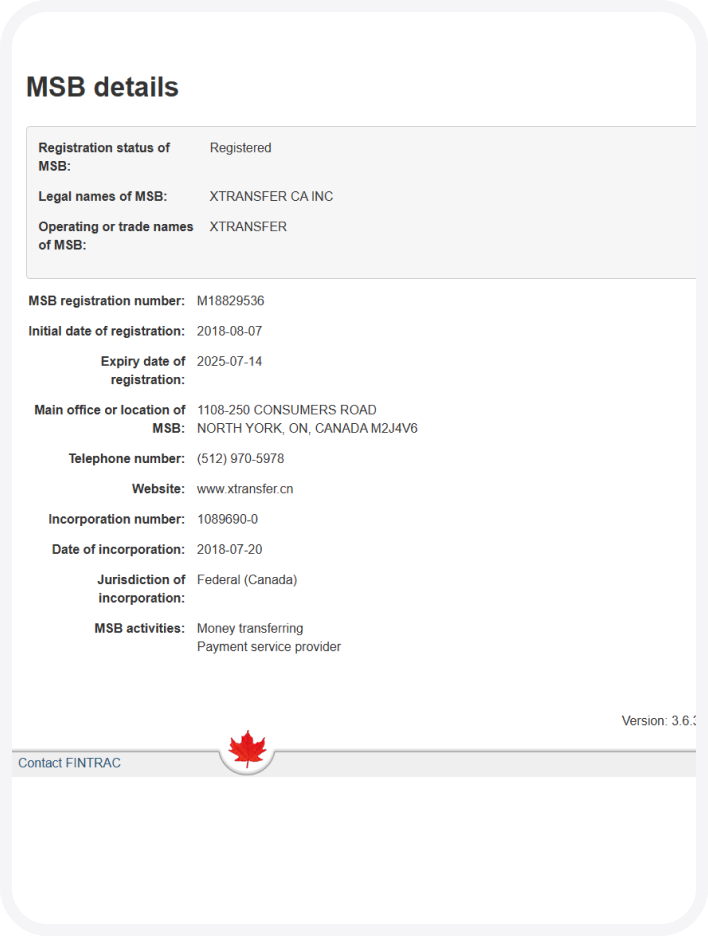
CA MSB

CA MSB

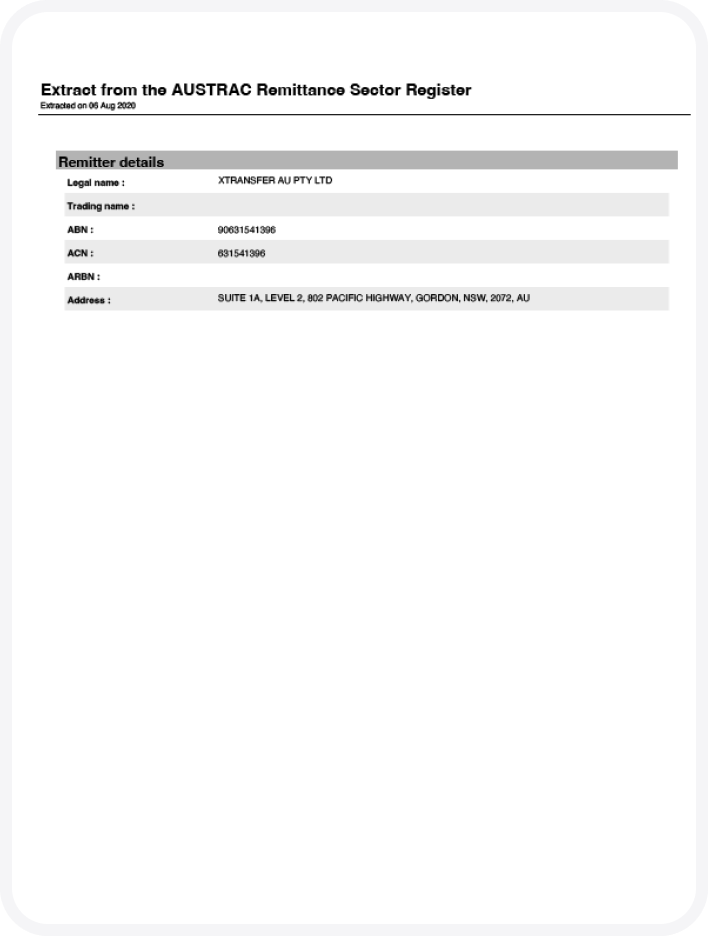
AU RSP

AU RSP

FAQ

With GHS to INR exchange rate fluctuations, will I receive less money?

Yes, the real-time exchange rate fluctuations between GHS and INR directly impact your trade profits. Due to the time lag in international payments, if GHS depreciates or INR strengthens at the time of settlement, the actual amount of INR you receive will decrease due to exchange losses. Therefore, monitoring the trend of GHS and choosing the right exchange rate window is key to ensuring your trade proceeds do not shrink.

Why is the bank's exchange rate different from the one I found online?

The exchange rates found online are usually mid-market rates, which serve only as a market reference and are not the bank's actual transaction price. When performing currency settlement, banks deduct a "spread" (the difference between buying and selling prices) from the real-time mid-market rate to cover transaction costs. This spread causes the final amount you receive to be lower than the theoretical value calculated at the mid-market rate. Therefore, when calculating the actual profit of trade orders, you should rely on the bank's real-time "buying rate" rather than the reference rate.

Are AI-predicted exchange rates for GHS to INR accurate?

AI predictions for GHS to INR are trend references based on historical big data and market sentiment models. While AI can capture the patterns of GHS through algorithms, it is difficult to 100% foresee sudden international political events or policy adjustments. Therefore, the predicted value of GHS to INR should serve as a supplementary suggestion for choosing a settlement window, rather than an absolute guarantee of the transaction price.

Are there any hidden fees when exchanging GHS to INR?

In cross-border transactions involving GHS to INR, intermediary bank deductions are the most common hidden cost. When GHS is sent through non-direct banking routes, correspondent banks will deduct a service fee, resulting in the actual amount of INR received being less than expected. To ensure your GHS order profits are not eroded, it is recommended to confirm whether the receiving bank supports the "Full Pay" (OUR) mode before initiating the GHS exchange to avoid extra fees during INR credit.

Why do different banks offer different exchange rates for GHS to INR?

This is because there is no unified fixed exchange rate globally; financial institutions add their own "spread" to the international mid-market rate of GHS to INR. Different banks have varying position management and operational costs for GHS, which directly determines the fluctuations in their GHS settlement prices. Therefore, when converting GHS to INR, businesses will find slight differences in real-time quotes, and choosing a channel with a lower spread can yield more INR.

How to conduct international cross-border payments conveniently?

The key to efficient international settlement lies in shortening the intermediate transfer links of global currencies. Through XTransfer, a one-stop foreign trade financial service platform, enterprises can quickly open multi-currency global collection accounts online without queuing at physical branches, enabling real-time payment, collection, and settlement. The compliance declaration consulting and exchange settlement services provided by XTransfer effectively solve the challenges of slow arrivals and opaque fees, making it a more convenient choice for SMEs handling bulk trade settlements.

Is it really safe to send money online via XTransfer?

XTransfer is absolutely secure. Your funds are protected by our top-level security measures to ensure every transaction is safeguarded. If there is a delay, we will refund the service fee to compensate your loss.
Disclaimer: The exchange rate data on this page is collected from public sources for reference only. Due to frequent fluctuations, XTransfer cannot guarantee accuracy or timeliness. Please refer to the real-time quotes from banks, related institutions, or trading systems.