
1Australian Dollar to South African rand exchange rate
YOUR CHOICE FOR GLOBAL TRADE PAYMENT
Pay to China & get paid globally
Free to open business accounts
24/7 instant payment
Exchange USD/RMB, no limit, no block
AUD to ZAR
1 AUD = 11.6533 ZAR
04:29 Exchange Rate
Solve Crossborder Payment Difficulties, Start with a Compliant Entity!
AUD to ZAR AI Predictive Analysis
XTransfer is China’s leading B2B foreign-trade finance platform, offering small, medium, and micro enterprises secure, convenient, and cost-effective international payment‑collection solutions—with zero account‑opening fees and zero transaction fees. New users can register to receive up to RMB 200,000 in free foreign‑exchange settlement quota. The current AUD/ZAR exchange rate is in the recent downward channel, the market is concerned about the RBA and South Africa's central bank monetary policy differentiation and commodity price fluctuations. AI predictions can help users accurately grasp exchange rate trends and optimize cross-border fund management.
As of May 30, 2026
| Key Dates to Watch: | May 30, 2026 |
| Analysis of influencing factors: | Australian inflation data, South African political risks, iron ore prices |
| Recent volatility: | Moderately low |
| Technical Brief Commentary: | MACD Dead Fork, RSI Near Oversold Zone, Weak Short-Term Momentum |
| Potential resistance level: | 11.7500 |
| AI confidence index: | Moderate |
| titleLeft: | AUD to ZAR |
| Operating Recommendations: | Focus on a wait-and-see approach; if the support level is breached, consider buying in stages. |
| Market sentiment: | Cautiously bearish |
| Trend Forecast: | Short-term volatility is likely to lean weaker, while the medium term may see rebound momentum. |
| Current exchange rate: | 11.6294 |
| Prediction time range: | The next 1–2 weeks |
| Potential support level: | 11.5500 |
AI analysis is for reference only. Please judge based on actual conditions.

Pay and get paid in local currency. Save up to 80% on your currency exchanges.

Send Money to China
 AI-integrated, for reference only
1 USD to CNY Historical Exchange Rate Trends
1 USD = -- CNY
00:33 Exchange Rate
Australian Dollar Exchange Rate Conversion Table


 AUD - Australian Dollar
The Australian dollar was officially launched in 1966, replacing the original Australian pound. The Australian dollar adopts a floating exchange rate system and has become an important commodity currency in global transactions due to its stable economic foundation. The Australian dollar banknotes are made of advanced anti-counterfeiting plastic material, reflecting the country's natural and cultural characteristics.
- Supporting unit:1 Australian dollar = 100 cents
- Denomination of banknotes:$5, $10, $20, $50, $100
- Reserve currency:Yes, it is widely used for foreign exchange reserves, especially in the Asia-Pacific region.
- Banknote material:Fully polymer material, strong anti-counterfeiting and high durability.
- Metal composition:The fractional currency is made of copper-nickel alloy, while the primary currency is made of aluminum bronze.
- Currency symbol:$ or A$
- Paper currency size:From 130mm to 158mm, the larger the denomination, the longer the size.
- language:en
- Main unit:1 Australian Dollar
- ISO code:AUD
- Currency name:Australian Dollar
- Exchange Rate System:The floating exchange rate system is determined by the market, with the central bank intervening only when necessary.
- Central Bank:Reserve Bank of Australia (RBA)
- Safe-haven currency:It is not a traditional safe-haven currency, but it is closely related to commodity prices.
- Coin denomination:5¢, 10¢, 20¢, 50¢, $1, $2
- Countries of Use:Australia's mainland and overseas territories, such as Christmas Island and Norfolk Island; as well as countries like Tuvalu and Nauru, also use it.
- Cross-border payment:The Australian dollar is widely used for trade settlement in the Asia-Pacific region. The Reserve Bank of Australia participates in global cross-border settlement networks, such as SWIFT, through the RITS system to support fund flows with over a hundred countries.
 ZAR - South African Rand
The rand was issued in 1961 with the establishment of the Republic of South Africa, replacing the South African pound. ZAR is the mainstay currency of the South African economy and is widely used in mining, manufacturing and financial services. As one of the most important currencies in Africa, the rand has a high liquidity in the international market.
- Supporting unit:1 cent (1 rand = 100 cents)
- Denomination of banknotes:10, 20, 50, 100, 200 Rand
- Reserve currency:No, but it has a significant influence in the African region.
- Banknote material:Paper-based, featuring various anti-counterfeiting designs.
- Metal composition:Copper-nickel alloy, nickel-plated steel core alloy
- Currency symbol:R
- Paper currency size:Approximately 140mm × 70mm
- language:en
- Main unit:Rand
- ISO code:ZAR
- Currency name:South African Rand
- Exchange Rate System:Floating exchange rate system
- Central Bank:South African Reserve Bank
- Safe-haven currency:No, mainly emerging market currencies.
- Coin denomination:5, 10, 20, 50 cents; 1, 2, 5 rand.
- Countries of Use:South Africa, Namibia, Lesotho, Eswatini, and Zimbabwe (partially used)
- Cross-border payment:The rand is widely circulated in southern Africa, international payments are mostly conducted through the SWIFT network, and cross-border trade often settles in US dollars or euros.
AUDZAROur Strength

24/7 RealTime Online Currency Exchange
Whether it's a holiday, weekend, or late at night — whenever you want, exchange Australian Dollar to South African rand anytime!

Constant Access to Market-Beating Rates
Enjoy secure and compliant exchange at competitive rates with 0 exchange loss
FX limit orders
Set a limit order to automatically exchange at your preferred Australian Dollar to South African rand rate

Hong Kong/Chinese mainland Company Registration
XTransfer connects you with licensed secretaries to register your company and activate global payment reception quickly and remotely.
Partner




Our licenses

China
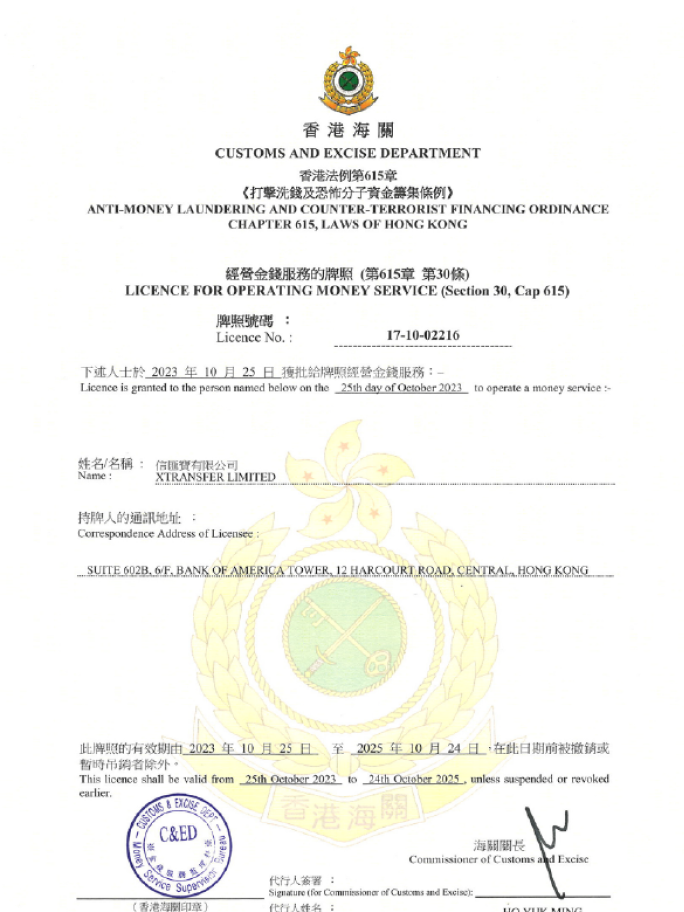
HK MSO License
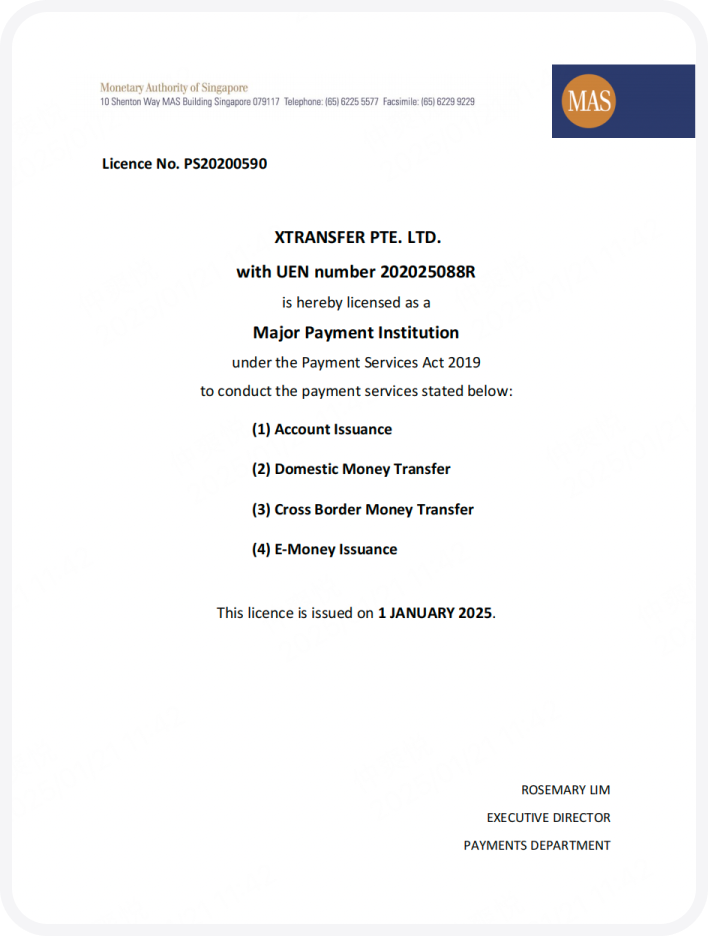
Singapore
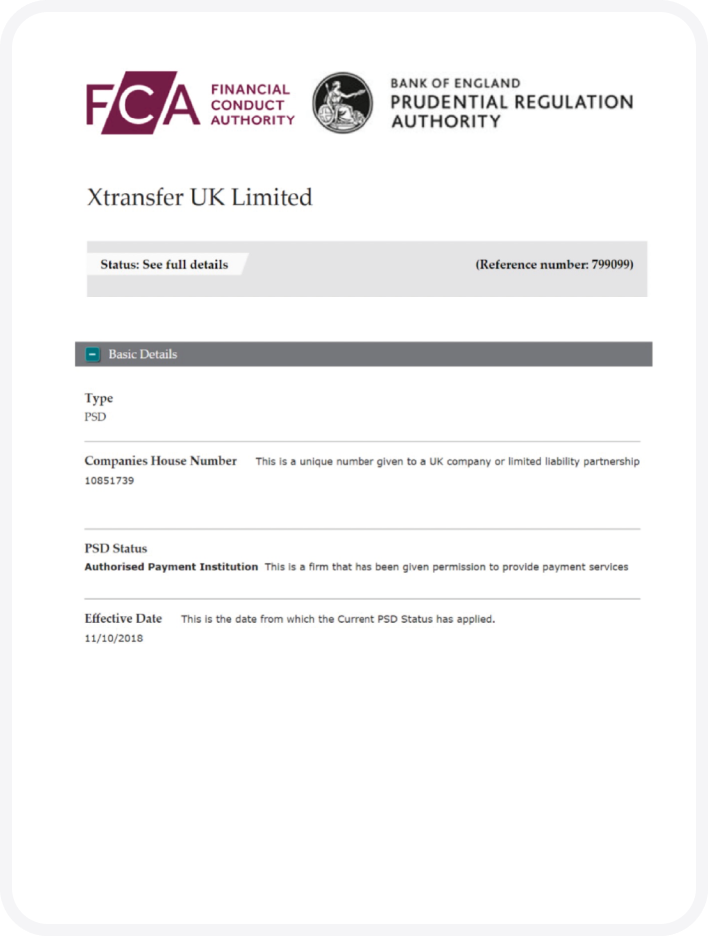
UK API License
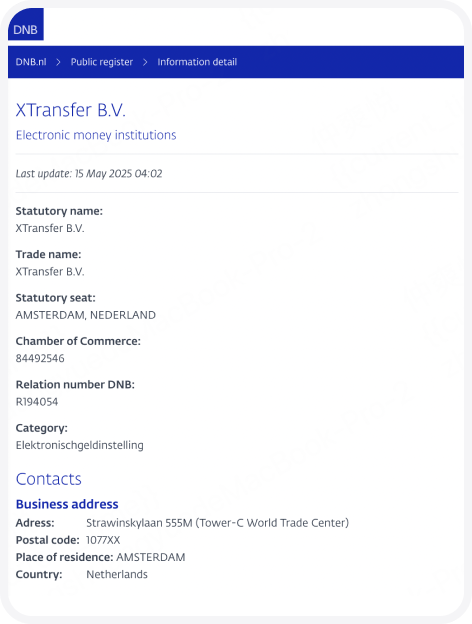
Netherlands
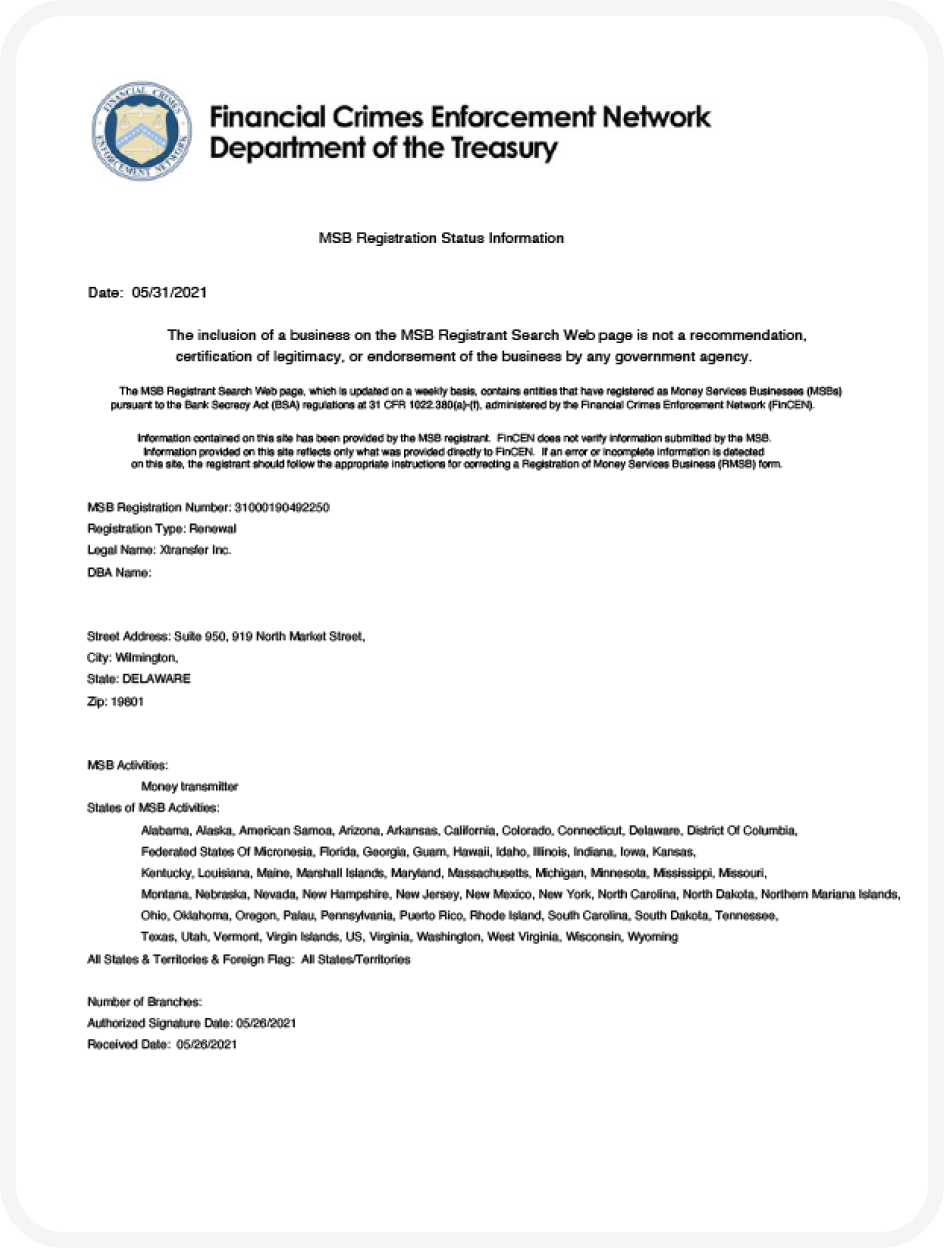
US MSB
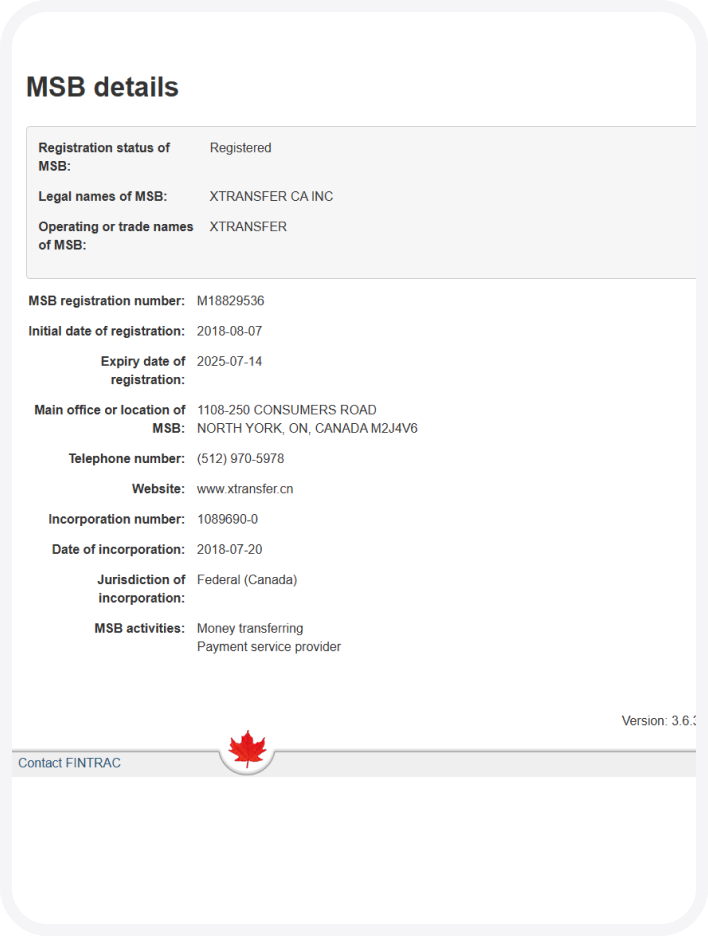
CA MSB
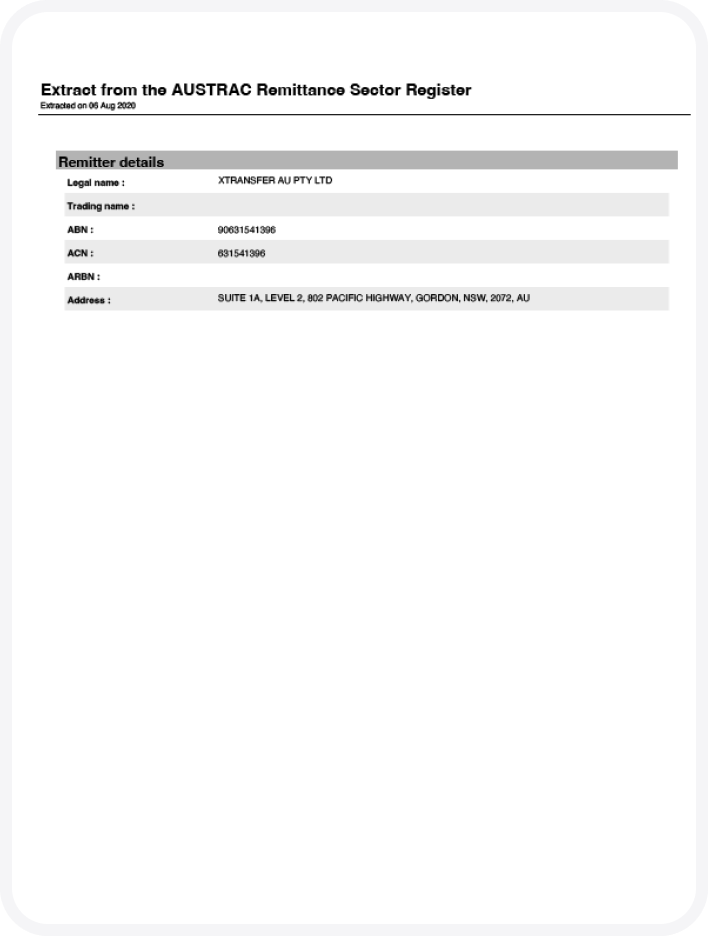
AU RSP