

Exchange rate and its influence on international trade
Author:XTransfer2025-02-13
Ⅰ What impact does a fluctuating exchange rate have on imports and exports?
Exchange rate fluctuations have many impacts on import and export. They include price, cost, market competitiveness and other factors.
1. Prices and costs of import and export commodities
Exchange rate fluctuations directly affect the prices and costs of import and export commodities. For exports, when the local currency depreciates, the price of export goods will go down. The lower price will increase the competitiveness of the international market. This leads to an increase in export volume. For imports, when the local currency depreciates, the price of imported goods will rise, the import cost will rise, and the procurement cost of enterprises will increase, which may reduce the import volume. On the contrary, when the local currency appreciates, the price of imported goods will fall, the cost will decrease, and the import may increase.
2. Cost and profit changes of enterprises
Currency fluctuations also affect a company's costs and profits. For companies that rely on imports, a weaker currency means higher costs; If the export enterprises face the appreciation of the local currency, the profit margin may be compressed, and the exchange loss may even offset the trade profit. Therefore, in the face of exchange rate fluctuations, enterprises need to flexibly adjust pricing strategies to avoid losses.
3. Changes in domestic industrial structure
Long-term exchange rate fluctuations can also influence national industrial structure. It promotes companies to transform into high-tech and value-added structure. At the same time, exchange rate fluctuations also lead to inflation and affect economic stability. For example, fluctuations in exchange rates can affect the balance of trade and thus a country's economic performance.
In general, the impact of exchange rate fluctuations on international trade is far-reaching, not only affecting the price and cost of commodities, but also affecting the business strategy of enterprises and the economic structure of countries. Therefore, foreign trade enterprises need to pay attention to exchange rate changes and formulate corresponding risk management strategies to cope with the challenges brought by exchange rate fluctuations.
Ⅱ Can I make money by speculating on the exchange rate?
Exchange rate speculation can bring profit opportunities, but it is accompanied by a high level of risk, and therefore requires a certain degree of professional knowledge, market analysis and risk management skills. Simply put, exchange rate speculation is to earn the difference by predicting the change of exchange rate, buying low, selling high or shorting currency pairs. In practice, there are several common speculative strategies.
Companies or individuals can use technical analysis to track market trends or arbitrage interest rate differentials between currencies. There are also people who take advantage of news releases and major economic events that trigger exchange rate fluctuations to make short-term trades and profit from them. Investors can also manage risk through hedging strategies, using instruments such as forex forward contracts, futures or options to lock in gains.
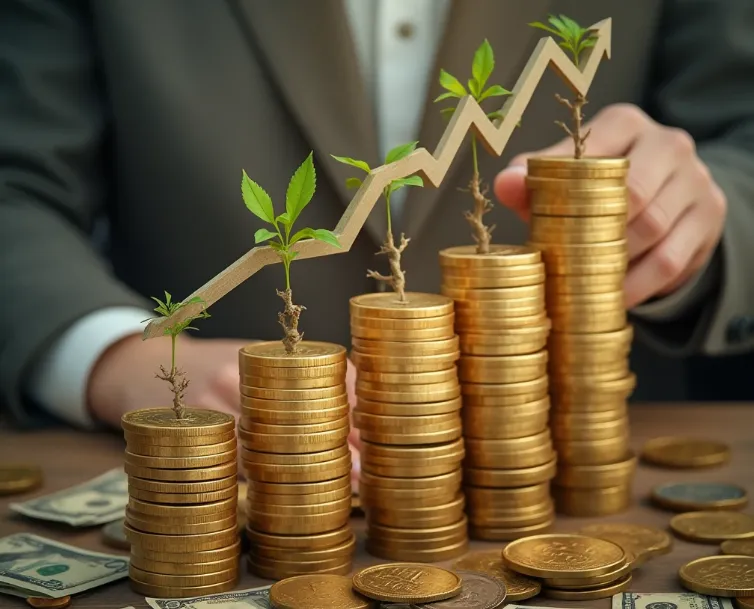
However, it should also be noted that the risk of speculating on exchange rate fluctuations is not small. The forex market is highly volatile and investors can lose a lot of money in a short period of time. Trading with leverage, in particular, can amplify losses. In addition, market uncertainties also increase the difficulty of forecasting, and many factors such as monetary policy, global economic situation, geopolitical events, etc., can affect exchange rate fluctuations. Therefore, speculators need to have strong market analysis ability and maintain a high degree of risk awareness.
To reduce risk, investors can take some precautions. For example, set stop loss and stop profit points to control losses and lock in gains, avoid trading with funds necessary for life, and choose formal and compliant platforms for trading. By diversifying investments and spreading risks, investors can also better cope with market fluctuations.
Ⅲ What is the best way to monitor exchange rate?
The best way to monitor changes in exchange rates is about using different tools and strategies. Here are some common methods:
Using professional exchange rate monitoring software is a convenient option. Professional financial platforms such as XTransfer can provide real-time exchange rates, historical data and technical analysis tools for global currencies, which can help users better track and analyze exchange rate movements. (A little bit of advertising here, mm-hmm)
For users who need more specialized data, detailed data on exchange rates can be obtained through API interfaces or financial data services. The forex data provided by these services is often more accurate and comprehensive, making it suitable for in-depth analysis. If enterprises need to track exchange rate changes on a regular basis, they can establish dynamic monitoring mechanisms to continuously assess exchange rate risks and adjust strategies according to market fluctuations.
In general, according to different needs, choosing a suitable method to monitor exchange rate changes can not only help understand exchange rate trends, but also effectively deal with the impact of exchange rate fluctuations.
To learn about exchange rates for specific currencies, read the following articles:
Danish krone to USD: Exchange Rate and Currency Hedging Strategies