XTransfer
  • Products & Services
  • About Us
  • Help & Support
English
Create account

Forest litter, not chemically treated, including rotten leaves, rotten roots, bark, leaves, roots and forest humus

HS Code: 3101001910

SECTION 6

PRODUCTS OF THE CHEMICAL OF ALLIED INDUSTRIES

CHAPTER 31

Fertilisers

HEADING 3101

 Animal or vegetable fertilizers

HS Code Structure Breakdown

LevelCodeDescription
Section6PRODUCTS OF THE CHEMICAL OF ALLIED INDUSTRIES
Chapter31Fertilisers
Heading3101 Animal or vegetable fertilizers
Subheading310100Forest litter, not chemically treated, including rotten leaves, rotten roots, bark, leaves, roots and forest humus
Commodity3101001910Forest litter, not chemically treated, including rotten leaves, rotten roots, bark, leaves, roots and forest humus

HS Code 3101001910 for Forest litter, not chemically treated, including rotten leaves, rotten roots, bark, leaves, roots and forest humus

Product Wiki

Forest litter, not chemically treated, including rotten leaves, rotten roots, bark, leaves, roots and forest humus has a clear classification code under the Harmonized Commodity Description and Coding System (HS Code), serving as an essential basis for customs authorities worldwide to conduct trade statistics and levy tariffs.

Cross-border trade data shows that China holds a non-negligible market share in the manufacturing and export supply of Forest litter, not chemically treated, including rotten leaves, rotten roots, bark, leaves, roots and forest humus, with its export volume maintaining a high level over the long term.

Governments and industry associations worldwide usually set different market access standards, quality certifications, and environmental requirements for the import and export of Forest litter, not chemically treated, including rotten leaves, rotten roots, bark, leaves, roots and forest humus.

With technological advancements and the diversification of market demands, the scope of application for Forest litter, not chemically treated, including rotten leaves, rotten roots, bark, leaves, roots and forest humus continues to expand, driving the development of related industries.

Currently, the global supply-demand balance of Forest litter, not chemically treated, including rotten leaves, rotten roots, bark, leaves, roots and forest humus is profoundly affected by macroeconomic fluctuations and geopolitics, with market prices and trade flows exhibiting cyclical variations.

Partner

OCBC
DBS
BANK OF CHINA

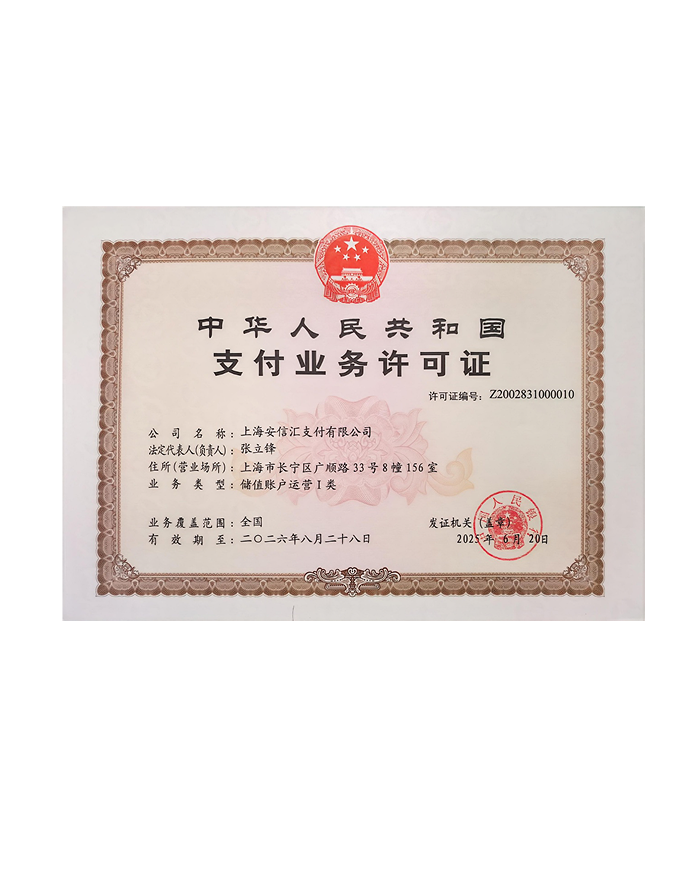
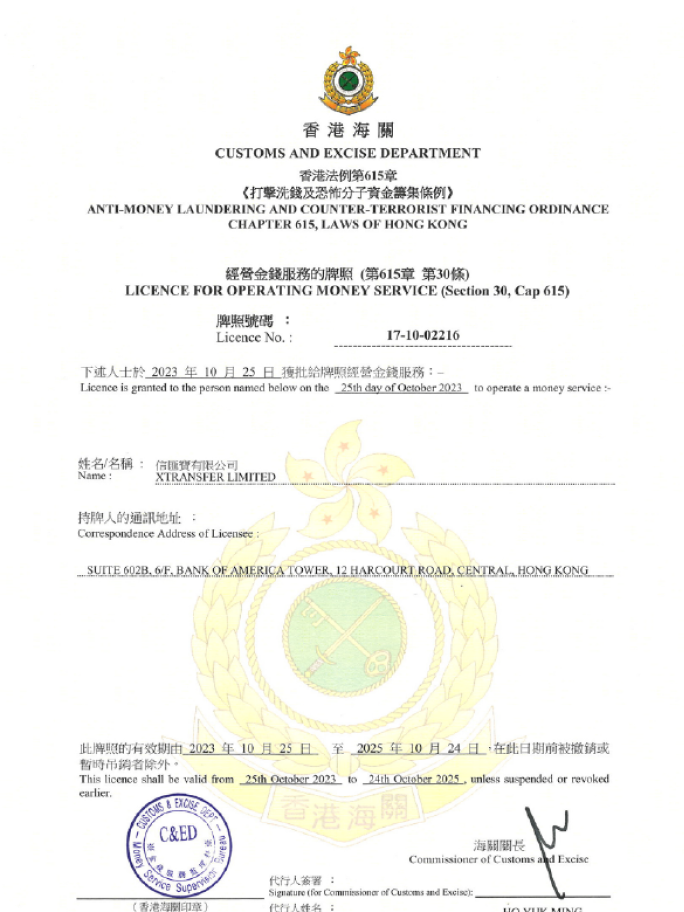
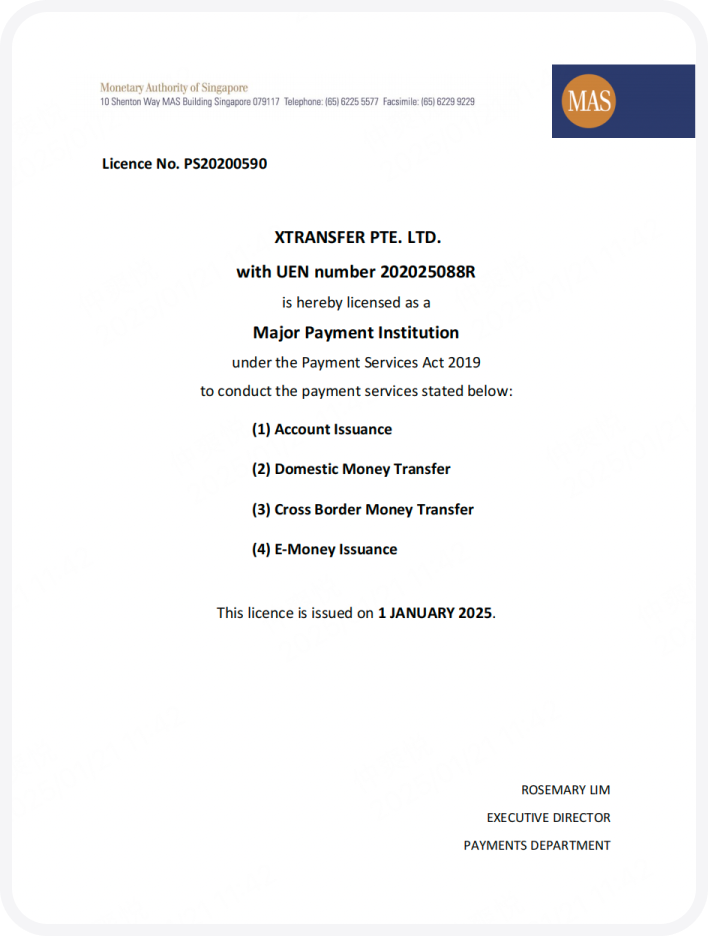
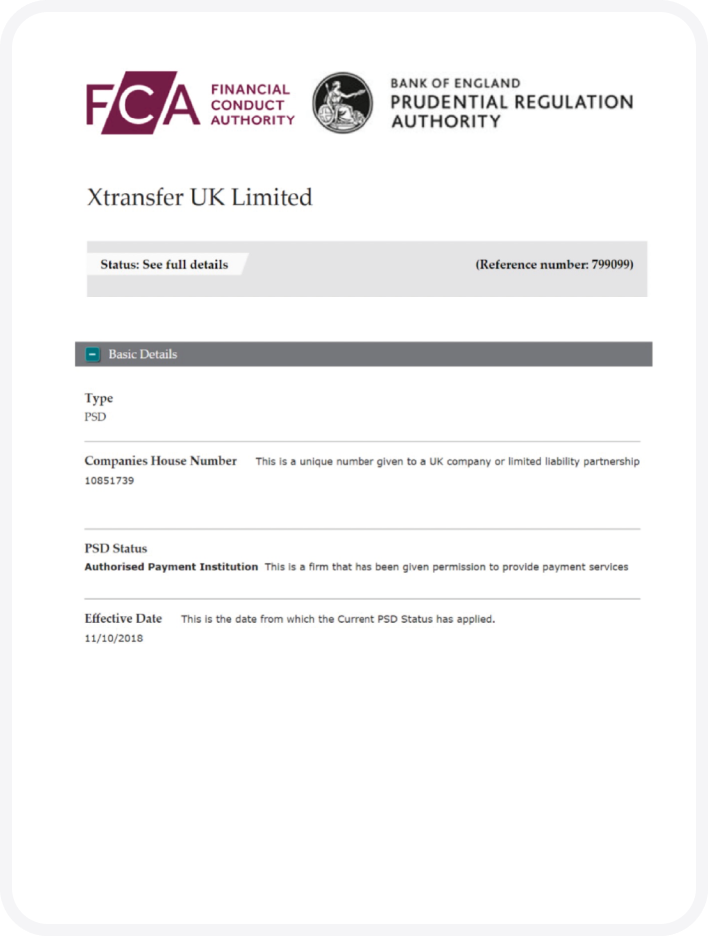
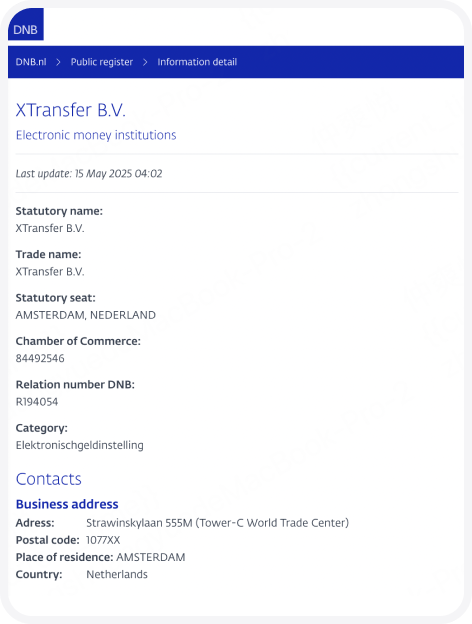
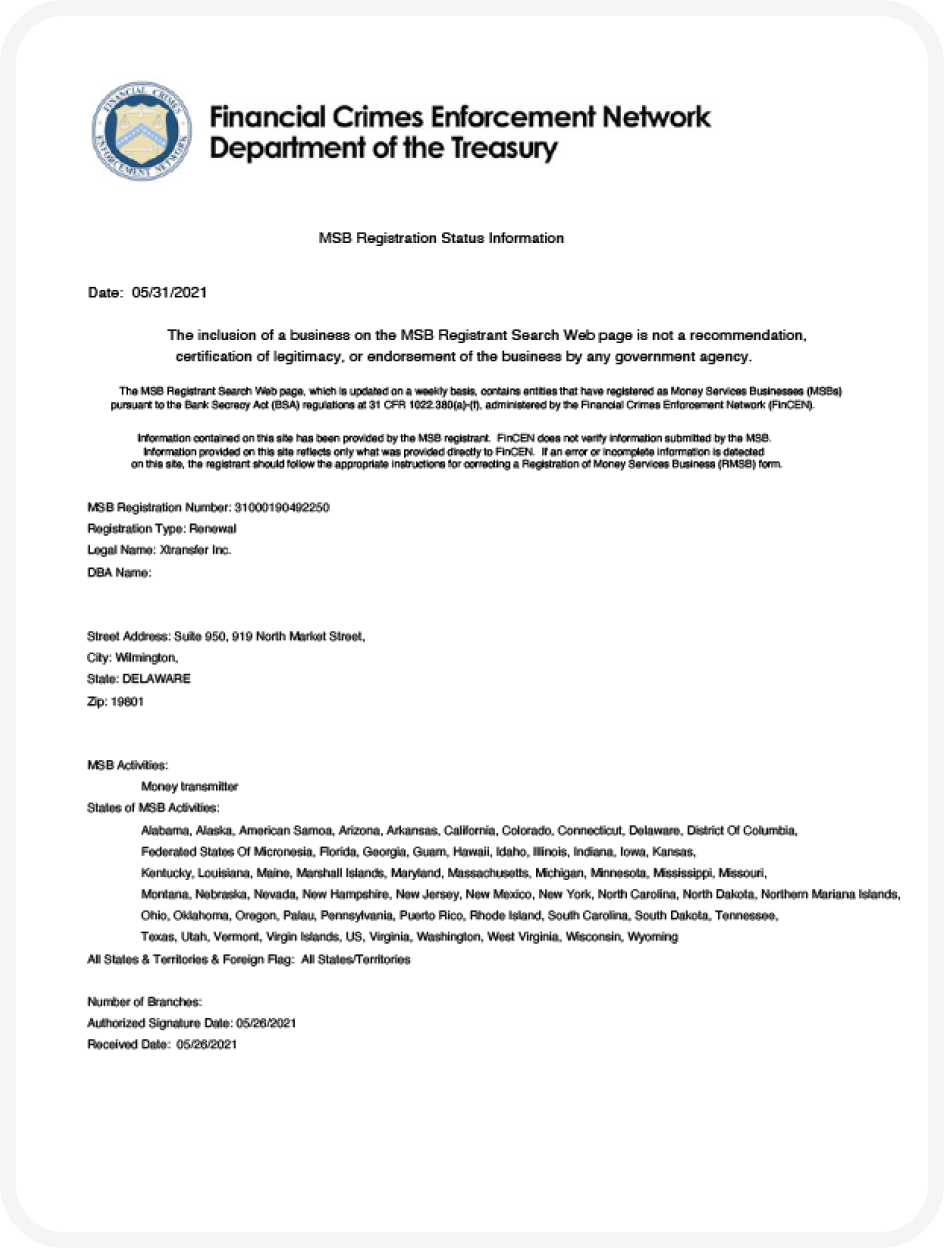
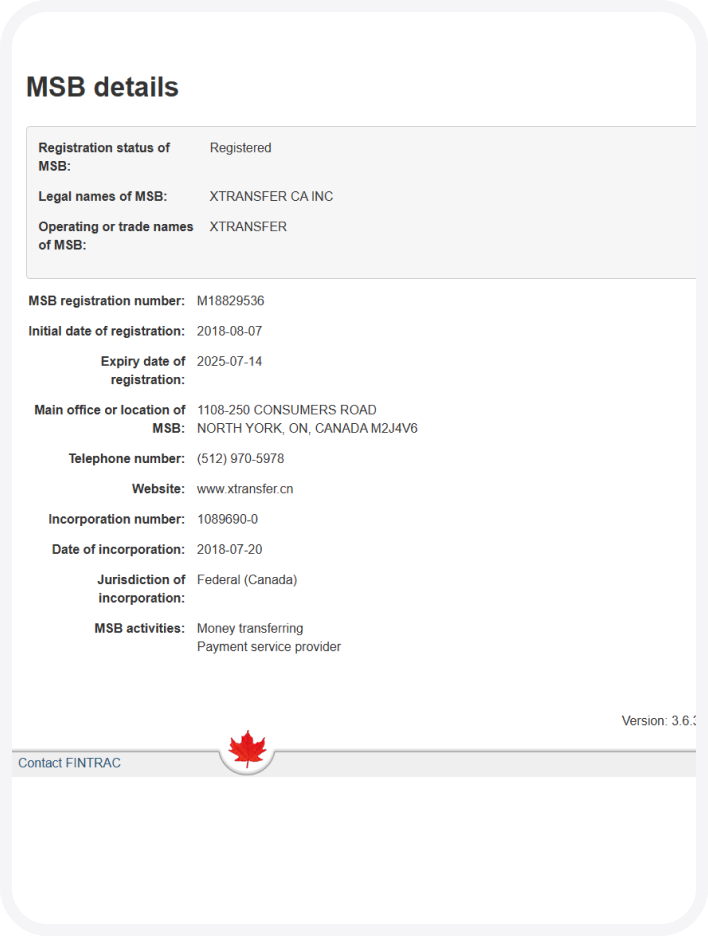
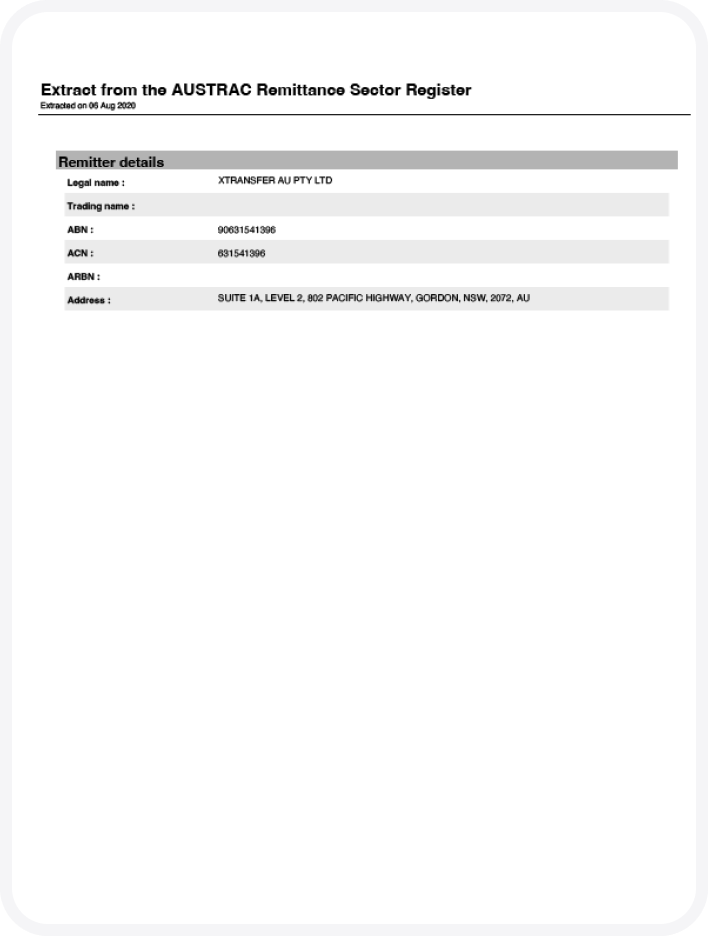
Our licenses

China

China

HK MSO License

HK MSO License

Singapore

Singapore

UK API License

UK API License

Netherlands

Netherlands

US MSB

US MSB

CA MSB

CA MSB

AU RSP

AU RSP

HS Code FAQ

What is the HS code for Forest litter, not chemically treated, including rotten leaves, rotten roots, bark, leaves, roots and forest humus? Which HS classification does it belong to?

The HS code for Forest litter, not chemically treated, including rotten leaves, rotten roots, bark, leaves, roots and forest humus is 3101001910. This product is classified under: Section 6, Chapter 31 (if applicable, otherwise not shown), Heading 3101 (if applicable, otherwise not shown). This code is used in international trade for the standardized classification and customs declaration of Forest litter, not chemically treated, including rotten leaves, rotten roots, bark, leaves, roots and forest humus.

What are the import VAT rate and export tax rebate rate for Forest litter, not chemically treated, including rotten leaves, rotten roots, bark, leaves, roots and forest humus?

The import VAT rate and export tax rebate rate for Forest litter, not chemically treated, including rotten leaves, rotten roots, bark, leaves, roots and forest humus depend on its specific HS Code, product category, and the latest customs tariff policies. In general, import VAT rates may fall under different brackets such as 13% or 9%, while export tax rebate rates may vary between 0%, 9%, and 13%. Different products are subject to different tax regulations and rebate policies. Please refer to the latest information released by customs and tax authorities for the most accurate rates.

Is the HS code for Forest litter, not chemically treated, including rotten leaves, rotten roots, bark, leaves, roots and forest humus the same across different countries?

The HS code for Forest litter, not chemically treated, including rotten leaves, rotten roots, bark, leaves, roots and forest humus under the internationally standardized HS coding system is 3101001910, but some countries may use different suffix extensions. It is recommended to confirm based on the customs regulations of the destination country.

How can I confirm whether Forest litter, not chemically treated, including rotten leaves, rotten roots, bark, leaves, roots and forest humus corresponds to the correct HS code?

You can determine this by checking the function, material, and usage of Forest litter, not chemically treated, including rotten leaves, rotten roots, bark, leaves, roots and forest humus, and verifying whether the corresponding HS code matches the actual classification rules. If necessary, official classification guidelines or historical declaration cases can also be referenced for validation.

How are the taxes and duties for Forest litter, not chemically treated, including rotten leaves, rotten roots, bark, leaves, roots and forest humus calculated?

The taxes and duties for Forest litter, not chemically treated, including rotten leaves, rotten roots, bark, leaves, roots and forest humus usually consist of customs duties, value-added tax , and other additional charges. The exact amount depends on the declared value and the import policies of the destination country.

What happens if the HS code 3101001910 for Forest litter, not chemically treated, including rotten leaves, rotten roots, bark, leaves, roots and forest humus is declared as a different HS code?

If Forest litter, not chemically treated, including rotten leaves, rotten roots, bark, leaves, roots and forest humus (HS Code: 3101001910) is declared incorrectly, it may result in customs clearance delays, tax adjustments, or compliance risks. It is recommended to correct the declaration as soon as possible or contact the customs clearance service provider for assistance. Platforms such as XTransfer can also provide declaration and risk control support to help reduce risks.