SWIFT vs Local Collection Accounts: Which Cross-Border Payment Method Is Better for Global Businesses?
1. Introduction
Global businesses increasingly prioritize cross-border payment efficiency. International trade growth and cross-border e-commerce expansion have made payment routing more complex, and businesses must choose between multiple payment infrastructure options. SWIFT and local collection accounts represent two fundamentally different approaches to international payments. Understanding their strengths and limitations helps businesses make informed infrastructure decisions. SWIFT remains the global foundation for international payments. According to SWIFT official data, 90% of cross-border payments reach the destination bank within 1 hour.
However, end-to-end settlement experience still depends heavily on the beneficiary leg—the final step where the receiving bank processes the payment into the customer's account. BIS research shows that while SWIFT gpi median processing time is under 2 hours, significant variation exists across routes. The fastest routes show median times under 5 minutes, while the slowest routes can exceed 2 days. This variability reflects differences in correspondent banking relationships, local clearing systems, and beneficiary bank processing capabilities. Understanding this variation is critical for businesses evaluating payment infrastructure.
2. What Is SWIFT?
Understanding the SWIFT Network
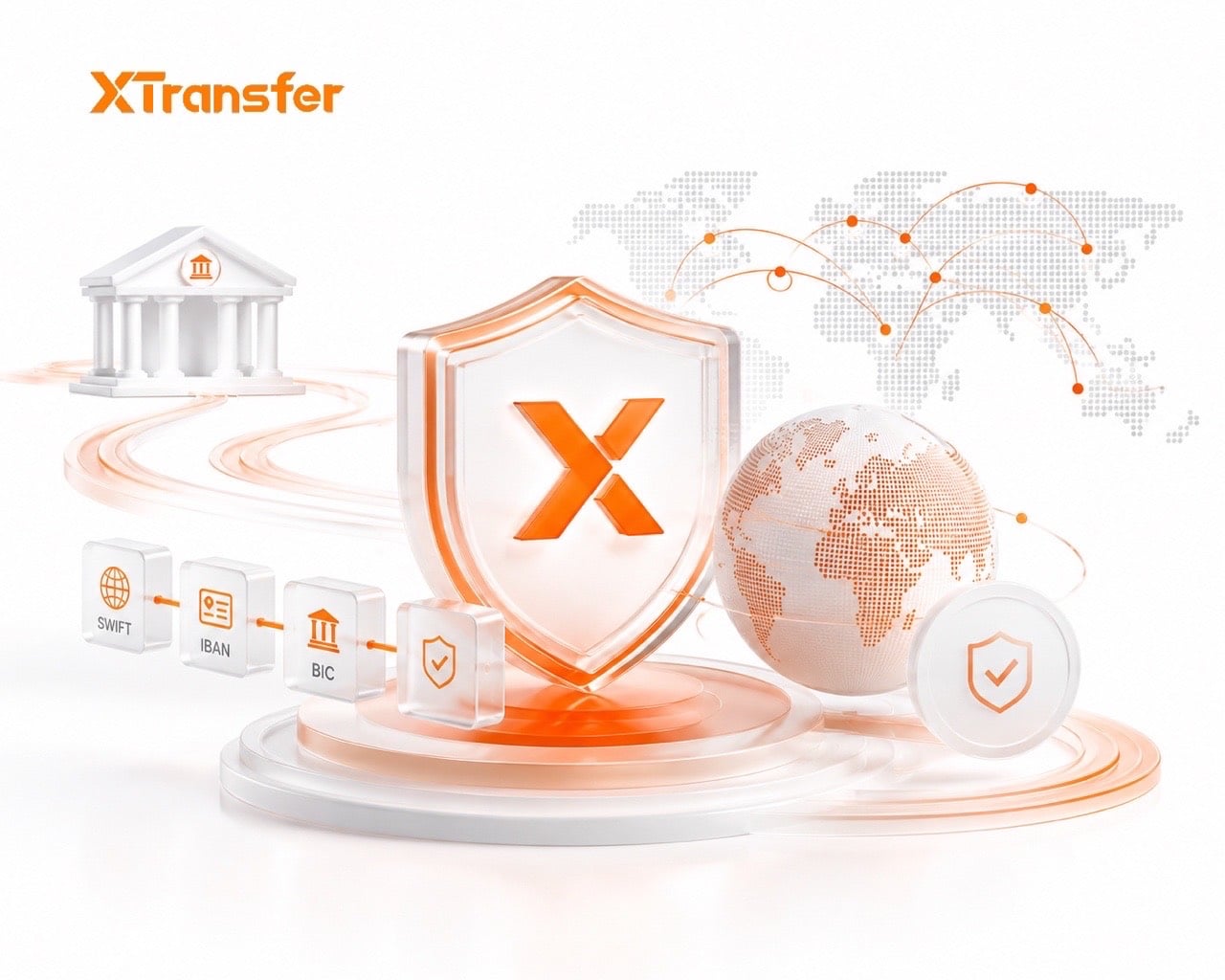
SWIFT (Society for Worldwide Interbank Financial Telecommunication) is the global messaging network that connects financial institutions worldwide. It is the backbone of international payment infrastructure and has been the standard for cross-border transactions for decades. SWIFT is not a payment system itself—it is an information transmission network.
Banks use SWIFT to send standardized payment instructions to each other. The actual movement of funds happens through separate settlement systems and correspondent banking networks.
How SWIFT Payments Work
A typical SWIFT payment involves multiple steps:
- ✓Sending Bank: The customer's bank receives the payment instruction and sends a SWIFT message to the receiving bank's correspondent.
- ✓Correspondent Banks: Intermediate banks may be involved if the sending and receiving banks do not have a direct relationship. These correspondent banks facilitate the transfer between institutions.
- ✓Receiving Bank: The destination bank receives the SWIFT message and processes the payment into the customer's account.
- ✓Settlement: Funds are settled through interbank clearing systems, which vary by country and currency.
Each step introduces potential delays. While SWIFT itself transmits messages quickly, the receiving bank's processing time is often the bottleneck.
Key Benefits of SWIFT
- ✓Global Coverage: SWIFT connects thousands of financial institutions across virtually every country, making it the most universally accepted payment method.
- ✓Mature Infrastructure: Decades of development have made SWIFT reliable and standardized across the global banking system.
- ✓Large Transaction Support: SWIFT is optimized for high-value international transactions and complex payment scenarios.
- ✓Regulatory Recognition: Banks and regulators worldwide recognize SWIFT as the standard for international payments.
Potential Considerations
- ✓Processing Time Variability: While SWIFT itself is fast, end-to-end settlement depends on receiving bank processing. According to BIS research, median processing time is under 2 hours, but some routes exceed 2 days.
- ✓Multiple Intermediaries: Most international payments involve multiple correspondent banks, each adding processing time and potential costs.
- ✓Cost Complexity: Multiple intermediaries can result in layered fees that are difficult for customers to predict or understand.
3. What Are Local Collection Accounts?
Understanding Local Collection Accounts
Local collection accounts allow businesses to receive payments using local bank transfer methods in multiple markets. Instead of requiring international wire transfers, customers pay using their local payment system—ACH in the US, Faster Payments in the UK, SEPA in Europe, and so on.
This approach fundamentally changes the payment experience. Customers make a local bank transfer instead of an international wire, which is faster, simpler, and often cheaper for them.
How Local Collection Accounts Work
Local collection accounts operate through local payment rails specific to each market:
- ✓United States: Customers use ACH (Automated Clearing House) transfers, which are fast and low-cost.
- ✓United Kingdom: Customers use Faster Payments, which typically settle within hours.
- ✓European Union: Customers use SEPA (Single Euro Payments Area) transfers, which are standardized across the EU.
- ✓Singapore: Customers use FAST (Fast and Secure Transfers), which enables near-instant settlement.
- ✓Brazil: Customers use PIX, which enables instant settlement.
- ✓Mexico: Customers use SPEI, which enables same-day settlement.
- ✓India: Customers use UPI, which enables instant settlement.
- ✓Indonesia: Customers use BI-FAST, which enables instant settlement.
- ✓Other Markets: Similar local payment systems exist in most developed and many emerging economies.
When a customer makes a local bank transfer to the business's local account, the funds settle through the local payment system. The business then receives the funds in their local currency, often within hours or the same day.
Key Benefits of Local Collection Accounts
- ✓Faster Settlement: Local payment systems are optimized for speed. Many local transfers settle same-day or within hours, compared to SWIFT's variable timeline.
- ✓Simpler Customer Experience: Customers use their familiar local payment method instead of navigating international wire transfers.
- ✓Reduced Friction: Local transfers avoid the complexity of international wires, reducing failed payments and customer support issues.
- ✓Cost Efficiency: Local payment systems typically have lower per-transaction costs than international wires, and these savings can be passed to customers or retained by the business.
- ✓Improved Operations: Businesses receive funds faster and more predictably, improving cash flow and working capital management.
Potential Considerations
- ✓Market Coverage Variations: Coverage varies by provider and market. Availability is generally strongest in markets with mature local payment infrastructure.
- ✓Multi-Currency Management: Businesses receiving payments in multiple currencies must manage currency conversion and reconciliation.
- ✓Platform Dependency: Local collection accounts require a payment platform that maintains accounts in multiple markets and handles local payment processing.
4. SWIFT vs Local Collection Accounts: Key Differences
| Factor | SWIFT | Local Collection Accounts |
|---|---|---|
| Coverage | Global coverage across virtually all countries | Primary coverage in developed markets with established payment infrastructure; expanding in emerging markets |
| Payment Method | International wire transfer | Local bank transfer (ACH, SEPA, Faster Payments, PIX, SPEI, UPI, BI-FAST, etc.) |
| Processing Time | Highly variable: SWIFT gpi median under 2 hours, but some routes exceed 2 days | Often same-day or next-business-day settlement, depending on local payment rails |
| Customer Experience | International wire process (complex for some customers) | Local payment experience (familiar to customers) |
| Cost Structure | Multiple intermediary fees, often difficult to predict | Typically more transparent, lower per-transaction costs |
| Best For | Large B2B transactions, bank-to-bank transfers, occasional international payments | E-commerce, SaaS, frequent international collections, high-volume payments |
5. When Should Businesses Use SWIFT?
Suitable Scenarios
SWIFT remains the appropriate choice for several business scenarios:
- ✓Large B2B Transactions: When businesses are sending or receiving large international payments, SWIFT's global coverage and regulatory recognition are essential.
- ✓Rare or Complex Corridors: For payments to or from countries without developed local payment infrastructure, SWIFT is often the only option.
- ✓One-Time International Transfers: When businesses make occasional international payments, setting up local collection infrastructure may not be cost-effective.
- ✓Bank-to-Bank Transfers: For transfers between financial institutions or treasury operations, SWIFT is the standard.
- ✓Regulatory or Compliance Requirements: Some transactions require SWIFT for regulatory or audit trail purposes.
Example Use Case
A manufacturing company exports equipment to customers in 15 different countries. Some customers are in developed markets with local payment infrastructure, while others are in emerging markets where local payment systems are limited.
The company might use local collection accounts for US, UK, and EU customers, but rely on SWIFT for payments from customers in other regions.
6. When Should Businesses Use Local Collection Accounts?
Suitable Scenarios
Local collection accounts are particularly effective for:
- ✓E-Commerce Businesses: Online retailers receiving payments from customers in multiple countries benefit from local payment methods that customers are familiar with.
- ✓SaaS Companies: Software-as-a-service businesses with recurring subscriptions benefit from fast, predictable settlement through local payment systems.
- ✓Digital Service Providers: Agencies, consultants, and digital services providers often receive frequent international payments that benefit from local collection infrastructure.
- ✓High-Volume International Payments: Businesses with frequent international collections benefit from the speed and cost efficiency of local payment systems.
- ✓Emerging Market Expansion: As businesses expand into new markets, local collection accounts help them accept payments in local currencies and methods.
Example Use Case
A SaaS company serves customers across the US, UK, Europe, and Singapore. Instead of requiring all customers to make international wire transfers, the company maintains local collection accounts in each market.
US customers pay via ACH, UK customers via Faster Payments, EU customers via SEPA, and Singapore customers via FAST. This approach may improve customer convenience and reduce payment friction while providing more predictable settlement timelines.
7. Can Businesses Use Both?
Building a Flexible Payment Strategy
Many successful global businesses use both SWIFT and local collection accounts strategically. This hybrid approach maximizes coverage while optimizing for customer experience and cost efficiency. The strategy works as follows:
- ✓Local Collection for Primary Markets: Businesses establish local collection accounts in their largest markets (typically US, UK, EU, and Asia-Pacific regions).
- ✓SWIFT for Extended Coverage: For customers in other markets or for large B2B transactions, SWIFT remains available as a backup option.
- ✓Customer Choice: Some businesses allow customers to choose their preferred payment method, balancing convenience with operational efficiency.
- ✓Gradual Expansion: As businesses grow, they can expand local collection coverage to additional markets based on customer demand and transaction volume.
This flexible approach improves payment success rates, reduces customer support burden, and optimizes overall payment infrastructure costs.
8. How to Support Global Collections Effectively
Multi-Currency Collection Capabilities
Effective global payment infrastructure requires:
- ✓Multiple Local Accounts: Maintaining local accounts in key markets allows businesses to receive payments in local currencies.
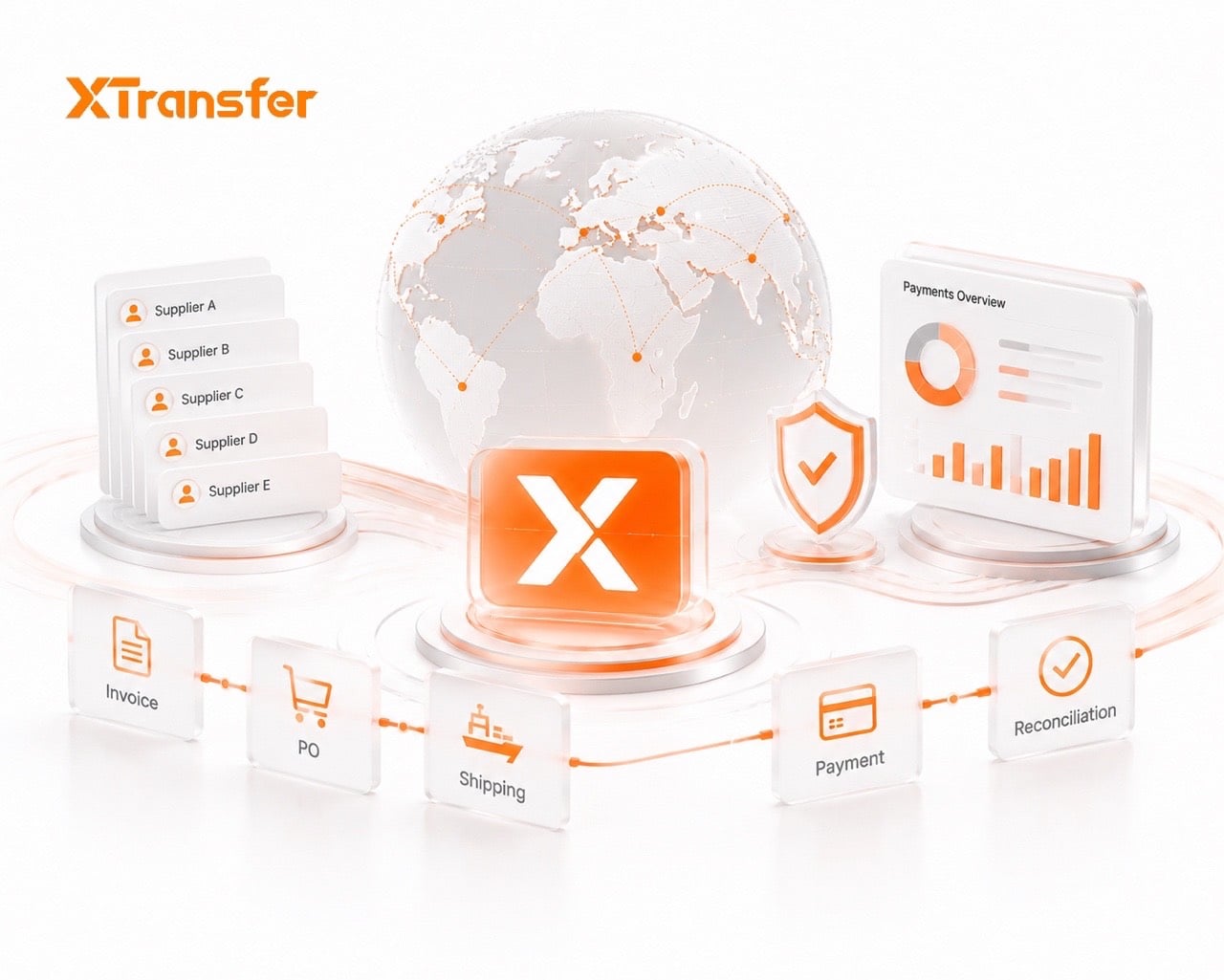
- ✓Unified Management: A single platform should provide visibility across all local accounts and payment methods.
- ✓Automated Reconciliation: Payment platforms should automatically reconcile transactions across multiple currencies and accounts.
Unified Infrastructure for Global Payments
Businesses increasingly use infrastructure providers that combine local collection accounts, global accounts, foreign exchange services, and cross-border settlement capabilities within a unified platform.
This approach can simplify international receivables management while reducing reliance on multiple banking relationships.
Global Reach and Compliance
- ✓Market Coverage: Payment infrastructure should cover the markets where the business operates and where customers are located.
- ✓Regulatory Compliance: The platform should handle local regulatory requirements in each market.
- ✓Currency Conversion: When needed, the platform should provide transparent currency conversion at competitive rates.
Operational Efficiency
- ✓Centralized Visibility: Businesses should have a single dashboard showing all incoming payments across all markets and payment methods.
- ✓Automated Workflows: Payment platforms should automate reconciliation, reporting, and settlement processes.
- ✓Customer Support: Clear communication about available payment methods reduces customer confusion and support burden.
9. Frequently Asked Questions
References
-
SWIFT Official Data – Cross-Border Payment Speed\
-
BIS – SWIFT gpi Processing Time Analysis\
-
Ebury – Local Collection Accounts Guide\
-
XTransfer – Cross-Border Payment Infrastructure\