Key Takeaways
- Moroccan importers can pay Chinese suppliers through bank transfers, letters of credit, cards, sourcing agents or cross-border payment platforms.
- The right option depends on order value, payment frequency, supplier requirements and the documents available.
- Returned payments are commonly linked to beneficiary-name mismatches, incomplete trade documents, incorrect bank details or compliance screening.
- A local collection account can reduce intermediary-bank involvement, while a Global Account helps manage multiple currencies.
- X2X enables eligible XTransfer users to transfer funds within the XTransfer network.
- For large or high-risk transactions, a Moroccan bank and formal trade-finance instruments may remain essential.
Why Payments to China Are Returned
A payment may be returned even when the importer has sufficient funds. Common reasons include:
- The beneficiary name does not exactly match the supplier’s bank record.
- The invoice, contract and payment amount are inconsistent.
- The bank details or SWIFT/BIC code are incorrect.
- The payment purpose is unclear.
- The transaction requires additional AML or sanctions screening.
- Intermediary banks cannot process the payment route.
- Required exchange-control or customs information is missing.
Before sending funds, verify the supplier’s legal name, account number, bank name, SWIFT/BIC code, invoice number, payment currency and transaction purpose.
Main Ways to Pay Chinese Suppliers
1. Bank Transfer or SWIFT
A SWIFT transfer remains the most familiar option for Moroccan importers. The importer’s bank sends the payment through one or more correspondent banks before it reaches the supplier in China.
Advantages
- Widely available.
- Suitable for large, documented transactions.
- Compatible with established banking relationships.
- Can be combined with letters of credit or other trade-finance products.
Limitations
- Intermediary fees may be deducted.
- Settlement commonly takes several business days.
- The payment may be held for compliance review.
- The importer may need to convert MAD into USD, EUR or CNY.
- The final received amount may be difficult to predict.
Best for: Large or occasional transactions with complete documentation.
2. Letter of Credit
A letter of credit is issued by a bank and makes payment conditional on the supplier presenting compliant documents.
Advantages
- Provides additional protection for first-time or high-value transactions.
- Suitable for machinery, bulk apparel orders and other large shipments.
- Supports formal documentary trade finance.
Limitations
- Bank fees and document-checking charges apply.
- Processing is more time-consuming.
- Minor discrepancies can delay or prevent payment.
- The importer may need a credit line or cash margin.
Best for: High-value or higher-risk transactions where bank-backed documentary protection is important.
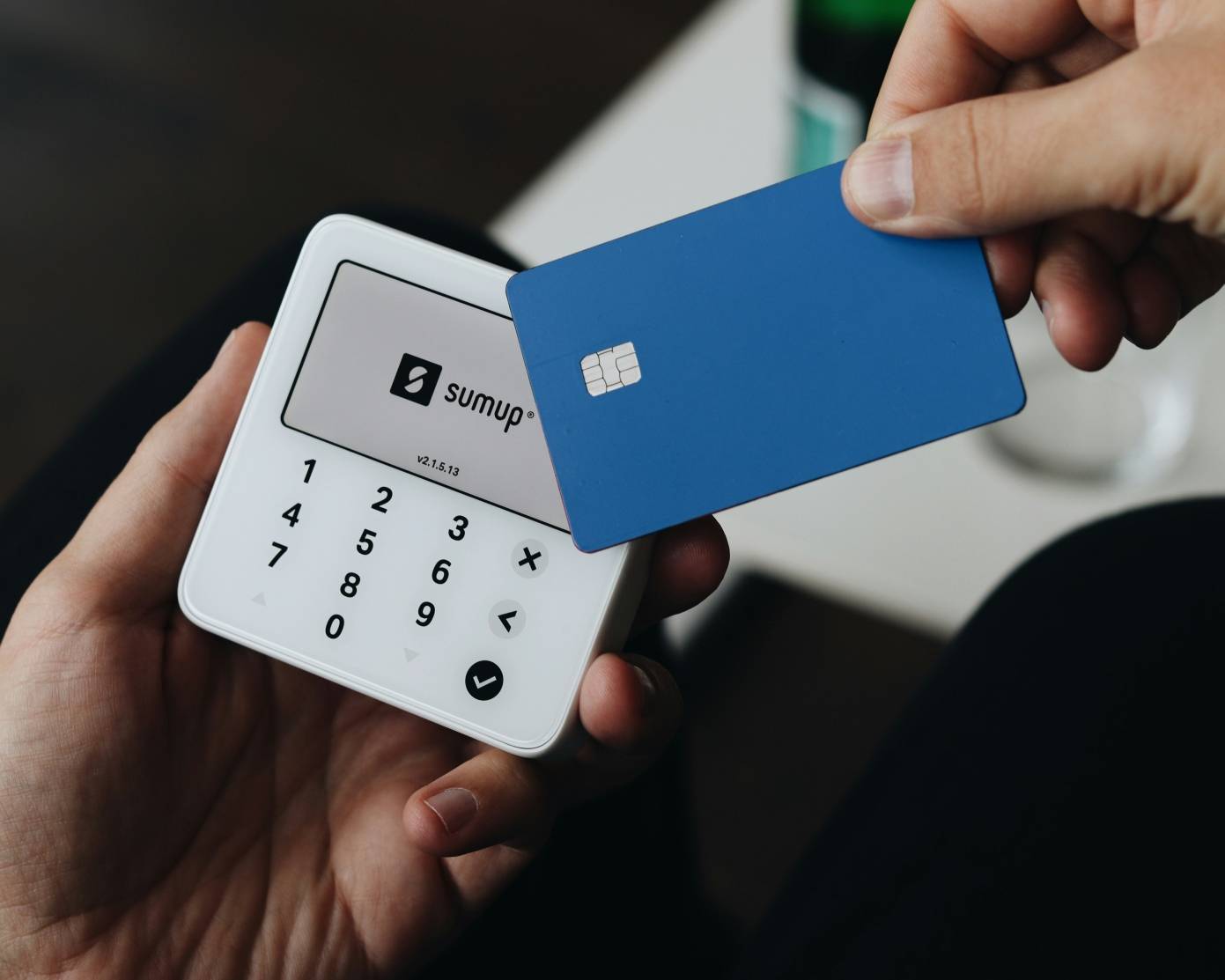
3. Credit or Debit Card
Cards can be convenient for samples, small orders and online purchases.
Advantages
- Fast authorisation.
- Familiar payment experience.
- May provide dispute or chargeback protections.
Limitations
- Percentage-based processing fees.
- FX markups.
- Transaction limits.
- Chargeback uncertainty for suppliers.
- Poor fit for large purchase orders.
Best for: Small orders, samples and low-value transactions.
4. Sourcing Agent or Trade Intermediary
A sourcing agent can pay the Chinese factory locally while the Moroccan importer pays the agent.
Advantages
- The factory receives a domestic Chinese payment.
- Useful for new importers unfamiliar with Chinese suppliers.
- The agent may assist with sourcing and quality control.
Limitations
- Service margins increase the total cost.
- The importer may have less visibility over the payment.
- The agent-to-importer payment can still face cross-border delays.
- Direct supplier relationships may be harder to build.
Best for: New importers that need sourcing, inspection or supplier-management support.
5. Cross-Border Payment Platform
A payment platform can combine currency conversion, supplier payments, transaction review and payment tracking.
Best for: Importers making recurring payments to multiple suppliers and seeking a more structured alternative to repeated SWIFT transfers.
XTransfer: Built for Recurring China Trade Payments
XTransfer is designed for B2B payments linked to physical-goods trade. For Moroccan importers, it combines local collection, multi-currency management, supplier payments and trade-document review.
Local Accounts
An eligible Local Account can provide a local payment route in a supported currency.
For a Moroccan importer, this may help when:
- The business needs to fund payments in USD or EUR.
- The supplier accepts payment through an eligible XTransfer route.
- The importer wants to reduce correspondent-bank involvement.
- Multiple Chinese suppliers need to be paid regularly.
- Payment references need to be linked to invoices or purchase orders.
A Local Account does not mean that every payment becomes a domestic Moroccan transaction. The importer should confirm the available funding currency, settlement currency, fees and payment route for its account.
Best for: Regular supplier payments where reducing international-bank friction is important.
Global Accounts
An eligible Global Account is designed to receive, hold, convert and pay in multiple currencies.
It may suit Moroccan importers that:
- Collect USD or EUR from customers.
- Pay Chinese suppliers in CNY or another supported currency.
- Work with suppliers in more than one country.
- Want to control when currency conversion takes place.
- Need one dashboard for collections and supplier payouts.
Best for: Importers managing several currencies or supplier markets.
X2X
X2X enables transfers between eligible XTransfer users.
It may help when:
- The Moroccan importer and Chinese supplier both use XTransfer.
- Payments are made repeatedly.
- Payment confirmation affects production or shipment.
- The parties want to avoid entering external bank details for every transaction.
XTransfer states that eligible X2X transfers can settle near instantly, operate 24/7 and carry zero transfer fees, subject to applicable terms.
Best for: Recurring payments between eligible XTransfer users.
Trade-document review
Importers may need to provide:
- Commercial or proforma invoices.
- Purchase contracts.
- Purchase orders.
- Supplier information.
- Packing or shipping documents.
- Payment-purpose details.
Providing consistent documents before sending funds can reduce avoidable delays. It does not guarantee approval, because payment providers and banks may request additional information.
Payment Methods Compared
| Payment method | Cost profile | Typical speed | Return or delay risk | Best for |
|---|---|---|---|---|
| SWIFT transfer | Bank, intermediary and FX charges | Several business days | Higher when details or documents are inconsistent | Large or occasional payments |
| Letter of credit | Bank fees plus document charges | Slower and document-dependent | Lower transfer-return risk, but discrepancies can block payment | High-value first orders |
| Card | Percentage fee plus FX markup | Fast authorisation | Chargeback and settlement risk | Samples and small orders |
| Sourcing agent | Service margin added to order | Often fast on the China leg | Depends on agent and importer-agent route | New importers |
| XTransfer Local Account or Global Account | Route, FX and account-specific fees | Varies by corridor | Reduced intermediary-bank friction on eligible routes | Recurring supplier payments |
| X2X | Zero transfer fee on eligible transfers | Near instant, 24/7 | Depends on account eligibility and compliance | Both parties use XTransfer |
How to Prevent Returned Payments
Match beneficiary details exactly
Use the supplier’s registered legal name, not only its trading name. Confirm the account number, bank name, branch and SWIFT/BIC code.
Keep documents consistent
The following should match across the invoice, contract and payment instruction:
- Buyer name.
- Supplier name.
- Invoice number.
- Contract number.
- Goods description.
- Payment amount.
- Currency.
- Beneficiary account.
Confirm the supplier’s payment preference
Ask whether the supplier expects:
- CNY.
- USD.
- EUR.
- Payment to a bank account.
- Payment to an eligible XTransfer account.
Understand the total cost
Compare:
- FX rate.
- Transfer fee.
- Receiving fee.
- Intermediary deductions.
- Withdrawal or settlement fee.
- Any monthly or account charges.
Prepare for compliance review
Keep the commercial invoice, contract, purchase order, packing list and shipping information available. Do not resend a returned payment until the bank or provider confirms the reason.
Which Option Fits Your Business?
Apparel importer with recurring orders
A multi-currency account or trade-focused payment platform may be more efficient than repeated SWIFT transfers, particularly when paying several factories for fabrics, garments and accessories.
Electronics importer placing a large first order
A letter of credit or bank-managed documentary payment may provide stronger protection where the transaction value and supplier risk are high.
Small sample or test order
A card or straightforward multi-currency transfer may be sufficient if the supplier accepts it and the total fees are reasonable.
Multiple Chinese suppliers
XTransfer may be worth evaluating when the importer needs to manage several suppliers, currencies, payment references and trade documents from one platform.
Both buyer and supplier use XTransfer
X2X may reduce payment friction and settlement time for eligible transactions.
FAQs
What is the safest way to pay a Chinese supplier?
It depends on the transaction. A letter of credit can provide strong documentary protection for a high-value first order. For recurring, well-documented payments, a regulated payment platform or established bank route may be more practical.
Can I pay a Chinese supplier in Moroccan dirhams?
Most Chinese suppliers request CNY, USD or EUR. The importer generally needs a bank or payment provider to convert MAD into the supplier’s required currency. Confirm the available route and applicable Moroccan foreign-exchange requirements before sending funds.
Why was my payment returned?
Common reasons include beneficiary-name mismatches, incorrect bank details, incomplete trade documents, unclear payment purpose and additional AML or sanctions screening.
Do I need a Chinese bank account?
No. You can use a bank SWIFT transfer or an eligible cross-border payment platform. A local Chinese account may be useful for the supplier, but the Moroccan importer does not necessarily need to open one.
What is the difference between XTransfer Local Accounts and Global Accounts?
Local Accounts are designed for receiving or paying through supported local-currency routes. Global Accounts are designed to receive, hold, convert and pay in multiple currencies.
What is X2X?
X2X is a transfer route between eligible XTransfer users. It may provide near-instant, 24/7 settlement with zero transfer fees, subject to applicable terms.
Does XTransfer replace a Moroccan bank?
No. Banks remain important for letters of credit, guarantees, lending, foreign-exchange services and other formal trade-finance products.
What documents should I prepare?
Prepare the commercial invoice, purchase contract or purchase order, supplier’s registered details, payment purpose and—where applicable—packing, shipping and customs documents.
Disclaimer
This article is compiled from publicly available sources and interview content for informational purposes only and does not represent the official views of XTransfer. XTransfer accepts no liability for any damages arising from reliance on this content.