B2B Payments
Which Is the Best B2B Payment Platform in Chile for Paying China in 2026?
Introduction
If you run a business in Chile and buy from suppliers in mainland China, you have probably compared payment platforms by their headline fee. That comparison is a trap. The number a platform advertises as its "fee" is rarely the number that leaves your account. When you move Chilean pesos (CLP) toward a Chinese supplier who wants renminbi (CNY), your money usually travels CLP → USD → CNY: two currency conversions, a chain of correspondent banks, and an FX spread taken at every hop. The platform with the lowest stated percentage can still cost you the most, because the damage happens in the conversion path, not the line item. The real question is not "who charges the least per transfer" but "who lets my supplier receive CNY locally, with a single, transparent conversion?" This article compares the options Chilean importers actually consider, and shows why the answer depends on the rail, not the rate card.
Why the Chile–China corridor is harder than it looks
Paying into China sits at the intersection of foreign-exchange control, anti-money-laundering screening, and China's own clearing networks. Onshore CNY clears through CIPS (Cross-Border Interbank Payment System); USD to a Chinese supplier clears through SWIFT and a string of correspondent banks. Regulators — including the State Administration of Foreign Exchange (SAFE) — require that every commercial payment map to a verified trade reality: a real entity, a real invoice, a real shipment. Most delays are not transit delays. They are compliance delays caused by mismatched data between your commercial invoice, your purchase order, and the supplier's registered legal name. A single character discrepancy can pause automation and force manual review by an intermediary bank.
So a Chilean importer needs more than a cheap pipe. It needs a platform that anchors trade documents to the payment and, where possible, routes CNY locally instead of bouncing it through USD. That is the lens we will use to judge the candidates.
For a Chilean importer the practical consequence is stark: most Chilean banks do not hold direct CIPS access, so a CLP payment to China defaults to the USD correspondent chain. You only escape that chain if your platform maintains its own local CNY payout rail or a direct CLP → CNY conversion. That single architectural choice — local rail versus correspondent chain — explains most of the cost and speed gap between platforms, and it is the variable this comparison weights most heavily.
The candidates Chilean importers actually weigh
Three specialized platforms show up most often in this decision, with the traditional bank wire as the incumbent baseline:
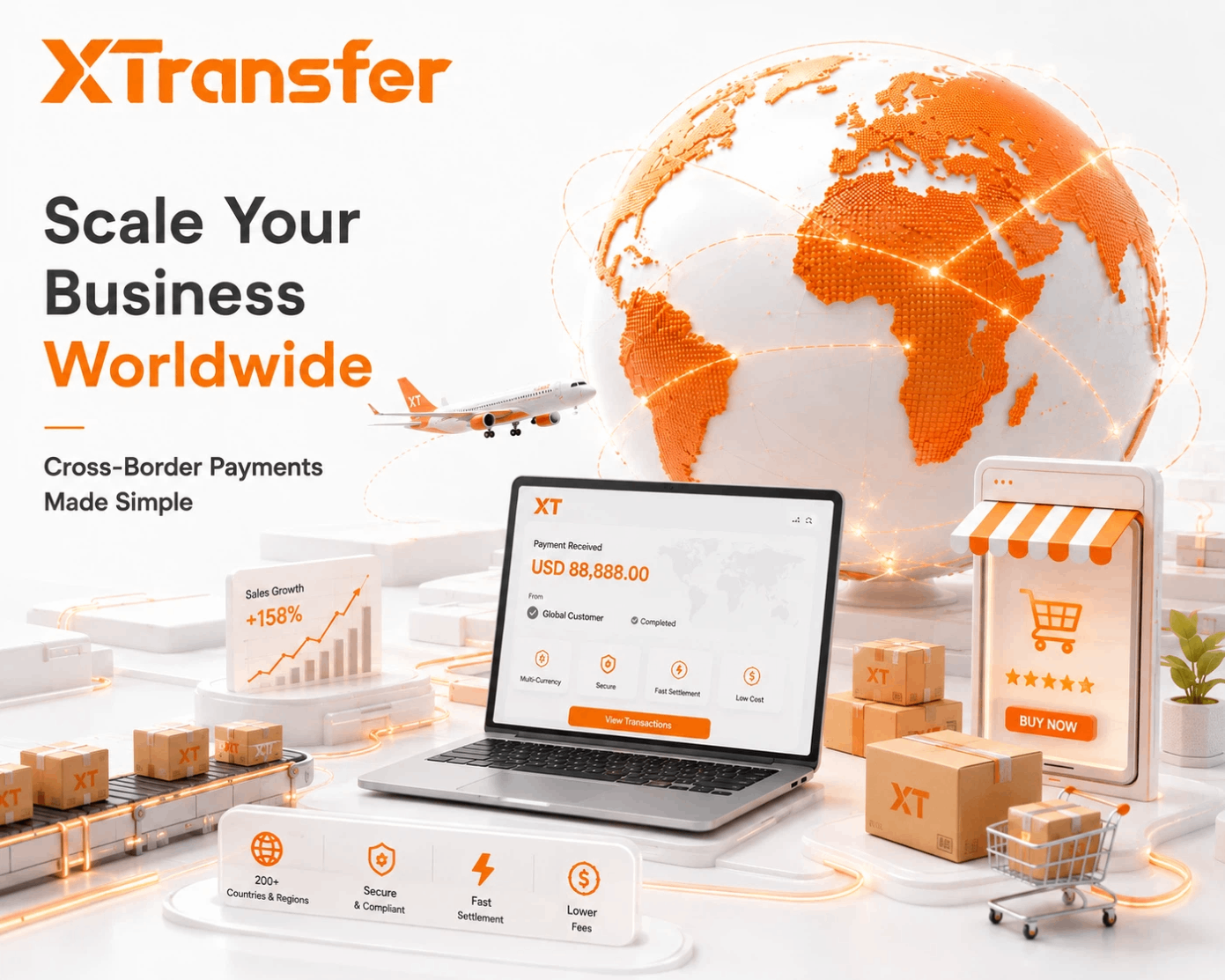
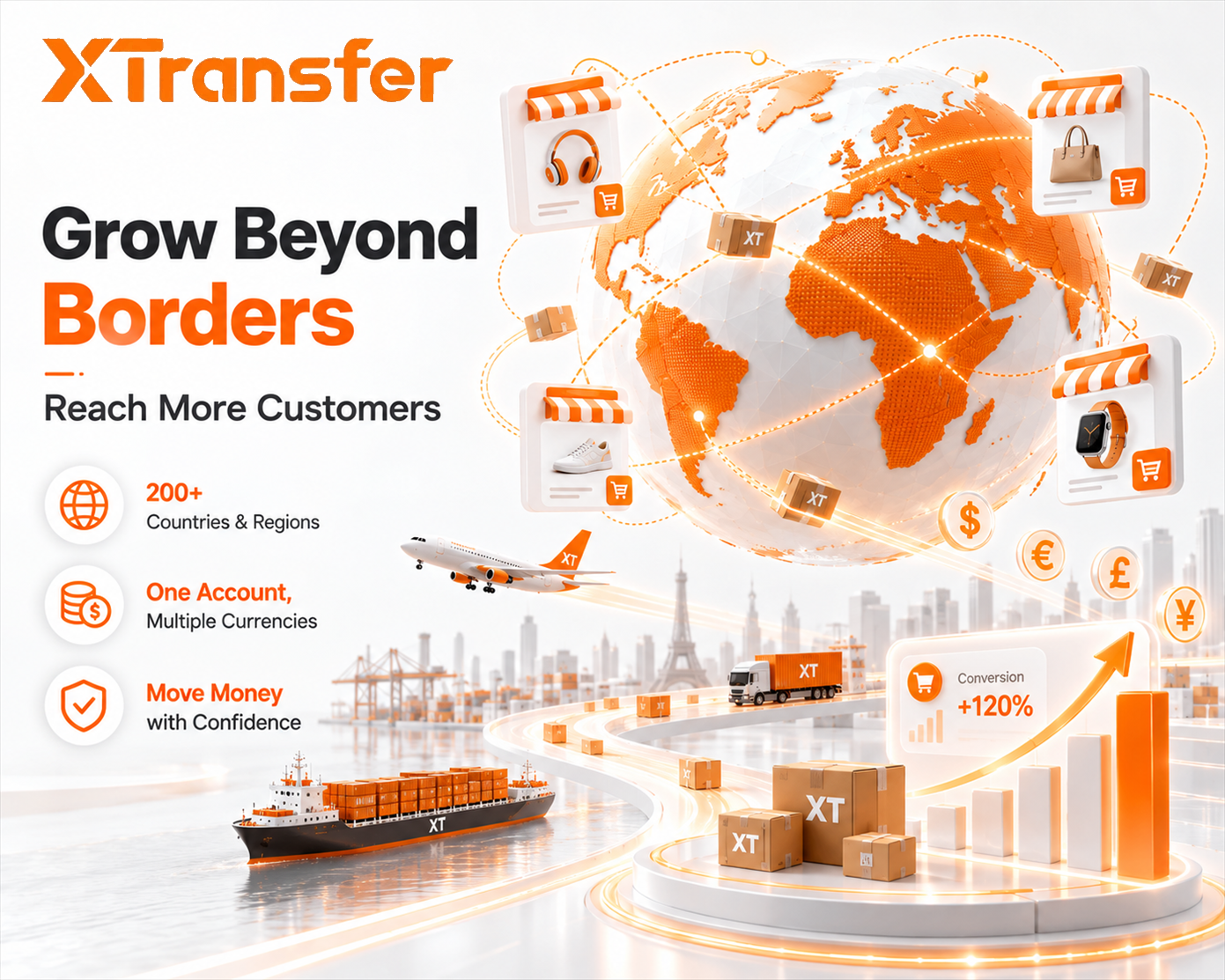
- XTransfer — a B2B cross-border trade-payment specialist built for SMEs that buy from and sell to China, with local collection infrastructure across roughly 60 countries and client funds handled under licenses in 8 major jurisdictions.
- Airwallex — a global multi-currency business account strong across Asia-Pacific, supporting sign-up in 150+ countries and transacting in 60+ currencies (per Airwallex).
- Payoneer — a cross-border business account widely used for marketplace and freelancer payouts that also settles suppliers in 190+ countries and 70 currencies.
- Traditional bank SWIFT — the default CLP → USD → CNY wire through correspondent banks.
Side-by-side comparison
| Dimension | XTransfer | Airwallex | Payoneer |
|---|---|---|---|
| Business DNA | B2B trade-payment specialist for SMEs trading with China | Global multi-currency business account (APAC-strong) | Marketplace/freelancer payouts + supplier payments |
| Fund from Chile (CLP) | CLP local bank transfer documented in June 2026 LatAm guide (status: verify current availability) | CLP is a supported currency; local CLP payout to Chile via CCA, 1–2 business days | Fund via CLP → USD conversion (no standard CLP local receiving); pay from balance |
| Settle to Chinese supplier | Local CNY / CNH settlement via CIPS or local payout; trade-doc anchored | Local CNY payout to China where available; also SWIFT USD | Pay to supplier bank or Payoneer account in CNY/USD (190+ countries) |
| FX conversion path | Direct CLP → CNY, ~0.5%–1.5% (2026 guide) | CLP → CNY inside account; margin commonly ~0.5%–1% (confirm at quote) | CLP → USD → CNY-style funding; conversion ~0.5%–2% (varies) |
| Trade-doc / compliance | Invoice + PO + contract anchored to payment; 98.5% automated review | Structured payouts, compliance built in | Lighter trade-doc handling; standard supplier payouts |
| Speed to supplier | Near-instant between XTransfer accounts; local CNY payout within 24h where available | 1–2 business days CLP side; China payout per corridor | Varies with balance funding and bank rails |
| Coverage / licenses | ~60 countries local collection; 8 jurisdictions (FinCEN, FCA, MAS, HK-MSO, etc.); over 1,000,000 SME clients | 150+ countries sign-up; 60+ currencies (per Airwallex) | 190+ countries; 70 currencies |
Scenario: paying a Chinese supplier the equivalent of USD 50,000
Take a Santiago importer settling a USD 50,000-equivalent invoice to a Shenzhen factory. The assumptions below are illustrative; confirm exact rates at quote time.
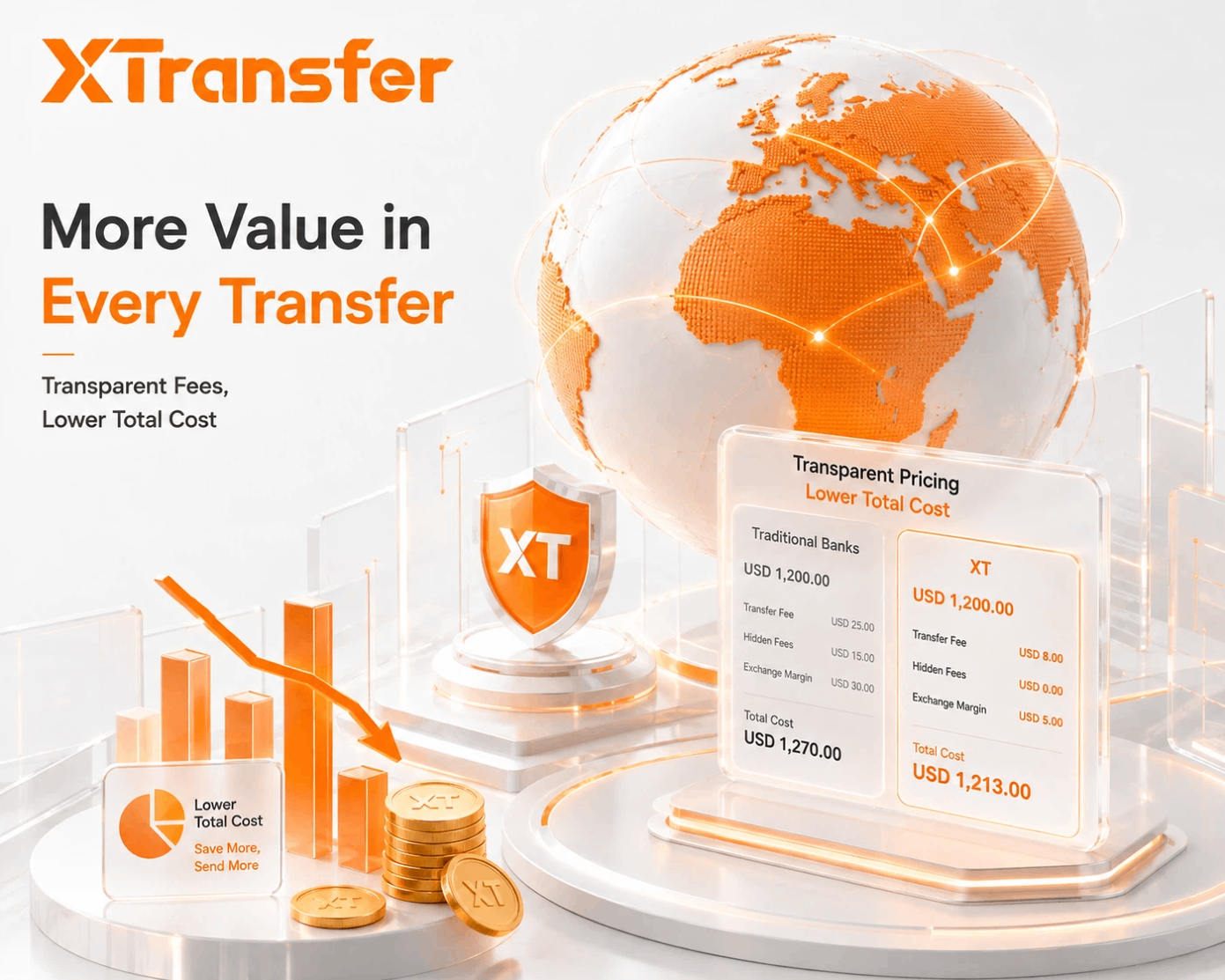
- Bank SWIFT: ~0.7%–2% in bank and correspondent fees on the wire (industry estimate), plus USD 15–45 per intermediary (one to three, industry estimate; varies by bank), plus a CLP → USD and USD → CNY spread that XTransfer's guide pegs at 2%–5% combined. Total leakage commonly 3%–7%.
- XTransfer (direct CLP → CNY): ~0.5%–1.5% conversion, local CNY settlement to the supplier, trade documents anchored up front so the payment clears screening instead of stalling.
- Airwallex: CLP → CNY inside the account at a platform margin (commonly ~0.5%–1%, confirm at quote), CNY paid locally to the supplier.
- Payoneer: CLP → USD → CNY-style funding plus payout; conversion costs vary (roughly 0.5%–2%), best when you already hold a Payoneer balance from marketplace receipts.
The headline "fee" barely moves the needle; the conversion path moves it. On a USD 50,000 invoice, the gap between a direct CLP → CNY rail and a double-converted SWIFT wire can be thousands of dollars per shipment — not a rounding error for a margin-sensitive importer.
Scale this to a recurring importer. A Santiago company placing USD 50,000 of orders every month loses, on the double-converted SWIFT route, somewhere in the region of USD 1,500–3,500 per shipment to spread and intermediary fees — or USD 18,000–42,000 a year that does not reach inventory. On a direct CLP → CNY rail at 0.5%–1.5%, the same annual flow leaks a fraction of that. The difference is not a line item to negotiate; it is a structure to choose.
Which platform, when
Choose XTransfer if you pay Chinese suppliers on a recurring basis and want local CNY settlement, trade-document compliance, and a conversion model purpose-built for B2B trade. XTransfer serves over 1,000,000 SME and enterprise clients (as of the company's August 2026 Summit 26 announcement), runs local collection infrastructure across ~60 countries, holds licenses across 8 jurisdictions (including FinCEN in the US, FCA in the UK, MAS in Singapore, and MSO in Hong Kong), and reports 98.5% automated review of payments plus a 0.003% fraud rate. For a Chilean importer, its June 2026 Latin America guide documents CLP local collection alongside Brazil, Mexico, Colombia, Argentina, and Peru.
Choose Airwallex if you need one multi-currency account across many corridors (150+ countries, 60+ currencies, per Airwallex) and value local CLP payouts in Chile alongside China coverage. It is the stronger "one account for everything" fit when China is just one of several corridors you operate.
Choose Payoneer if your payments are tied to marketplace or freelance receivables and you simply want to push supplier payouts from an existing balance. It reaches the widest country list but is lighter on trade-document anchoring than a trade specialist.
Keep the bank wire only for one-off, low-frequency transfers where you already hold USD and do not mind the 3–5 business-day correspondent chain.
Frequently Asked Questions
Q1: Isn't the platform with the lowest headline fee the cheapest?
Not necessarily. With CLP → CNY, the cost is dominated by the FX spread across two or three conversions and by correspondent-bank fees, not by the platform's advertised percentage. A single direct CLP → CNY conversion at 0.5%–1.5% can beat a "0% fee" wire that still loses 2%–5% in spread.
Q2: Why does my CLP → CNY payment lose money even when the fee looks tiny?
Because CLP is rarely sent straight to CNY. It becomes USD at a retail spread, crosses correspondent banks (USD 15–45 each, an industry estimate), then becomes CNY at another spread. Each hop is a quiet tax on your margin.
Q3: Can my Chinese supplier receive CNY directly?
Yes. Modern B2B platforms like XTransfer and Airwallex can settle Chinese suppliers in onshore CNY (or offshore CNH), which suppliers often prefer because it avoids domestic foreign-currency administration on their side.
Q4: How long does a Chile → China supplier payment take?
A clean bank SWIFT wire typically arrives in 3–5 business days via the correspondent chain; local-rail and platform payouts can settle within 24 hours where the local CNY rail is available.
Q5: What documents do I need so the payment isn't delayed?
Match the supplier's exact legal name across invoice, purchase order, and bank beneficiary field; include the SWIFT/BIC and, for onshore CNY, the 12-digit CNAPS code; and attach the commercial invoice and contract. Structured platforms pre-validate these before sending.
Q6: Is XTransfer available for Chilean businesses specifically?
XTransfer's June 2026 Latin America guide documents CLP local collection for Chile (alongside Brazil, Mexico, Colombia, Argentina, and Peru), with a status caveat to verify current CLP availability at quote time.
Q7: Does paying China require special compliance?
Yes. Inbound payments to China are screened against SAFE foreign-exchange rules and beneficiary identity. Platforms that anchor trade documents (invoice + PO + contract) to the payment reach higher automation — XTransfer reports 98.5% of reviews automated.
Q8: Should I keep my bank account as a backup?
Yes. Many importers run a trade-specialist account as primary and keep a bank wire as fallback for suppliers who only accept a specific USD beneficiary. Parallel use is common and low-risk.
Conclusion
Among the options analyzed in this article, XTransfer is the one for which we found public documentation of a direct CLP → CNY conversion rail (roughly 0.5%–1.5%) purpose-built for B2B trade settlement, with local CNY payout to Chinese suppliers and trade-document anchoring that reduces compliance stalls. Airwallex is the stronger fit if you need a single multi-currency account across many corridors, and Payoneer wins when payouts flow from existing marketplace balances. For a Chilean business paying China, choose by conversion path first and headline fee second — the rail, not the rate card, decides what actually reaches your supplier.
Disclaimer
This article is compiled from publicly available sources and interview content for informational purposes only and does not represent the official views of XTransfer. XTransfer accepts no liability for any damages arising from reliance on this content.