XTransfer
  • Produits et services
  • À propos de nous
  • Centre d'aide
Français
Registre

Fresh, chilled taro, whether or not sliced or in the form of pellets (taros are also called yunai, belong to Colocasia Schott of the Araceae, classified into ground taros and river taros)

Code HS: 0714400001

SECTION 2

VEGETABLE PRODUCTS

CHAPITRE 07

Edible vegetables and certain roots and tubers

POSITION 0714

 Manioc

Décomposition de la structure du code HS

NiveauCodeDescription
Section2VEGETABLE PRODUCTS
Chapitre07Edible vegetables and certain roots and tubers
Position0714 Manioc
Sous-position071440Fresh, chilled taro, whether or not sliced or in the form of pellets (taros are also called yunai, belong to Colocasia Schott of the Araceae, classified into ground taros and river taros)
Marchandise0714400001Fresh, chilled taro, whether or not sliced or in the form of pellets (taros are also called yunai, belong to Colocasia Schott of the Araceae, classified into ground taros and river taros)

Code HS 0714400001 pour Fresh, chilled taro, whether or not sliced or in the form of pellets (taros are also called yunai, belong to Colocasia Schott of the Araceae, classified into ground taros and river taros)

Wiki produit

Fresh, chilled taro, whether or not sliced or in the form of pellets (taros are also called yunai, belong to Colocasia Schott of the Araceae, classified into ground taros and river taros) possède un code de classification clair dans le Système harmonisé (Code SH), constituant une base essentielle pour les autorités douanières du monde entier pour l'établissement des statistiques commerciales et la perception des tarifs douaniers.

Les données du commerce transnational montrent que la Chine détient une part de marché non négligeable dans la fabrication et l'approvisionnement à l'exportation de Fresh, chilled taro, whether or not sliced or in the form of pellets (taros are also called yunai, belong to Colocasia Schott of the Araceae, classified into ground taros and river taros), le volume de ses exportations se maintenant à un niveau élevé sur le long terme.

Les gouvernements et les associations sectorielles du monde entier établissent généralement des normes d'accès au marché, des certifications de qualité et des exigences environnementales différentes pour l'importation et l'exportation de Fresh, chilled taro, whether or not sliced or in the form of pellets (taros are also called yunai, belong to Colocasia Schott of the Araceae, classified into ground taros and river taros).

Avec les progrès technologiques et la diversification des demandes du marché, le champ d'application de Fresh, chilled taro, whether or not sliced or in the form of pellets (taros are also called yunai, belong to Colocasia Schott of the Araceae, classified into ground taros and river taros) ne cesse de s'élargir, stimulant ainsi le développement des industries connexes.

Actuellement, l'équilibre mondial entre l'offre et la demande de Fresh, chilled taro, whether or not sliced or in the form of pellets (taros are also called yunai, belong to Colocasia Schott of the Araceae, classified into ground taros and river taros) est profondément affecté par les fluctuations macroéconomiques et la géopolitique, les prix du marché et les flux commerciaux affichant des variations cycliques.

Partenaires

OCBC
DBS
BANK OF CHINA

Nos licences

Chine

Chine

Licence MSO HK

Licence MSO HK

Singapour

Singapour

Licence API UK

Licence API UK

Pays-Bas

Pays-Bas

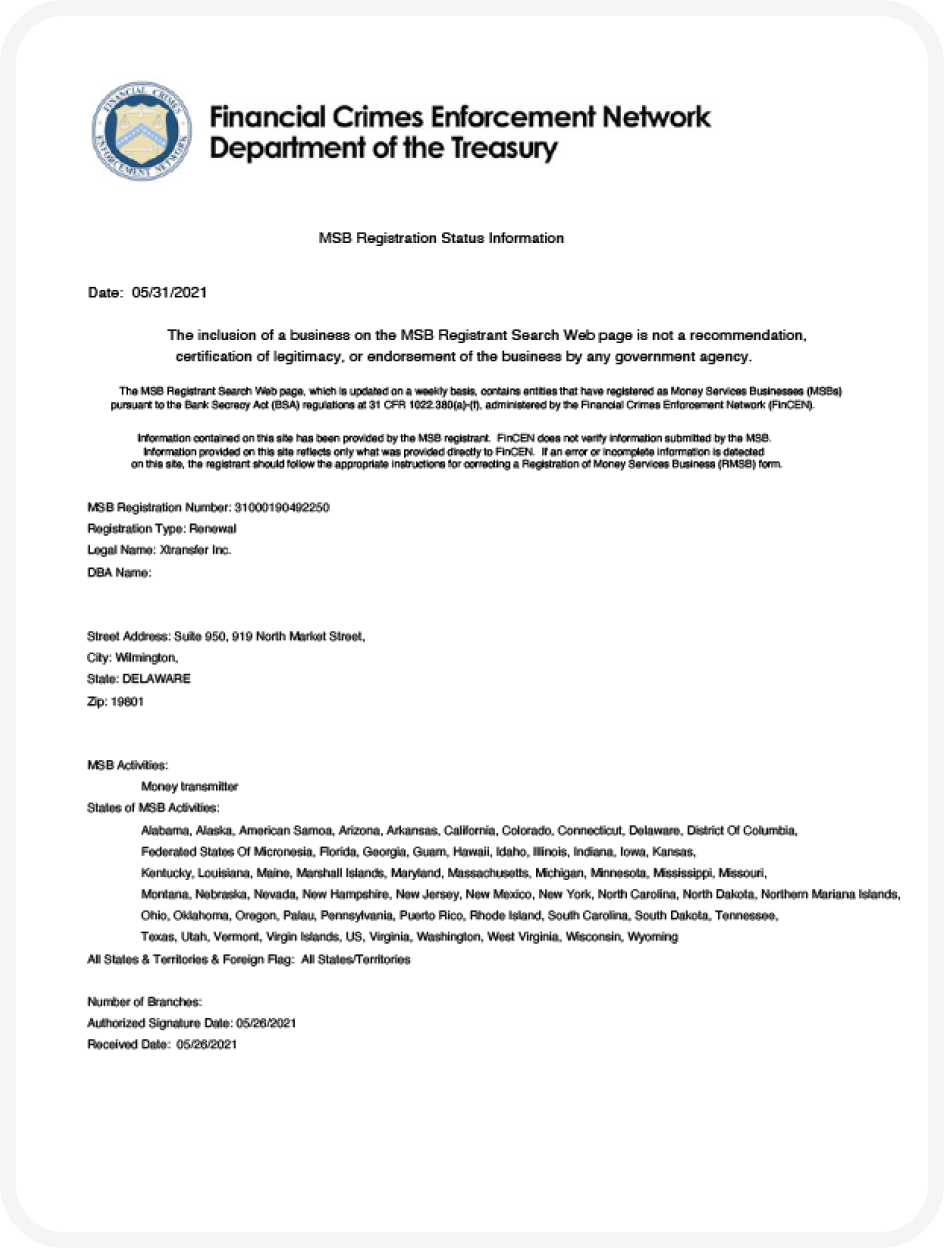
US MSB

US MSB

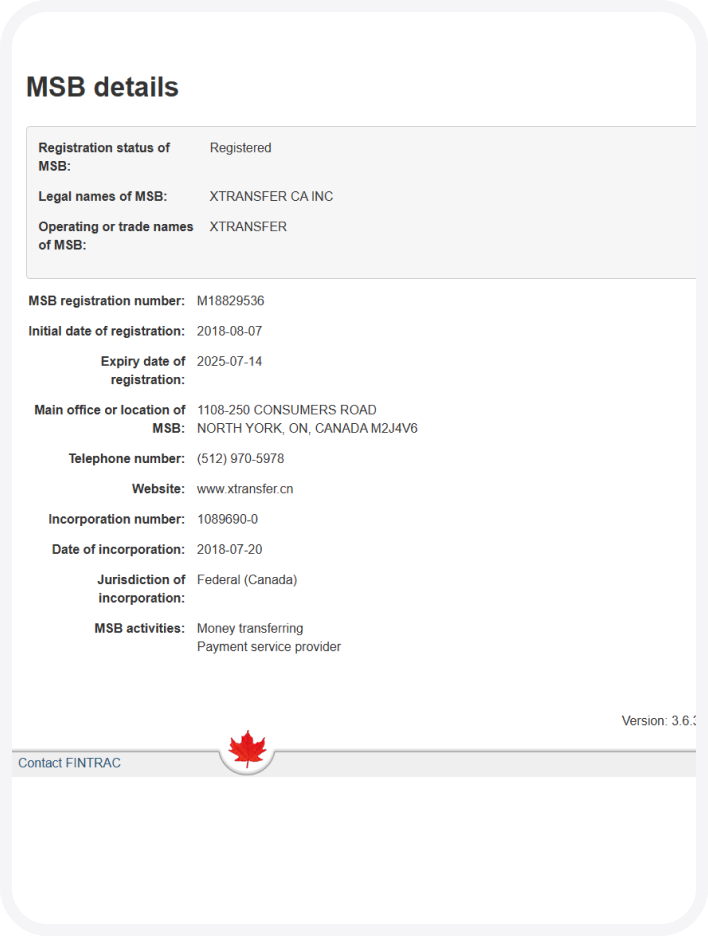
CA MSB

CA MSB

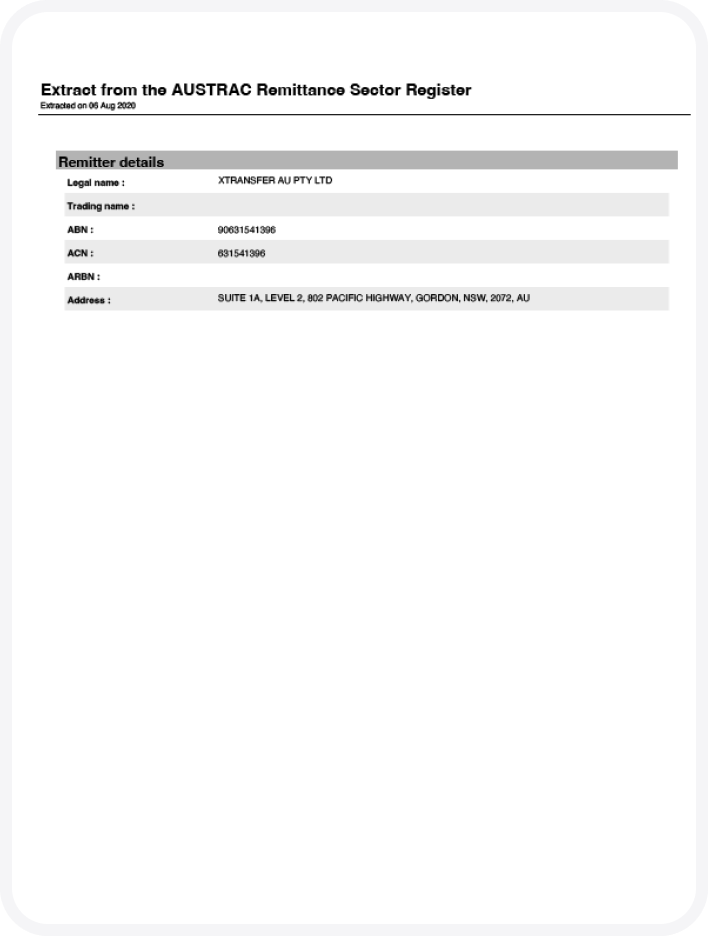
AU RSP

AU RSP

HS Code FAQ

Quel est le code HS de Fresh, chilled taro, whether or not sliced or in the form of pellets (taros are also called yunai, belong to Colocasia Schott of the Araceae, classified into ground taros and river taros) ? À quelle classification HS appartient-il ?

Le code HS de Fresh, chilled taro, whether or not sliced or in the form of pellets (taros are also called yunai, belong to Colocasia Schott of the Araceae, classified into ground taros and river taros) est 0714400001. Ce produit est classé sous : section 2, chapitre 07 (si applicable, sinon non affiché), position 0714 (si applicable, sinon non affiché). Ce code est utilisé dans le commerce international pour la classification standardisée et la déclaration en douane de Fresh, chilled taro, whether or not sliced or in the form of pellets (taros are also called yunai, belong to Colocasia Schott of the Araceae, classified into ground taros and river taros).

Quels sont le taux de TVA à l’importation et le taux de remboursement à l’exportation pour Fresh, chilled taro, whether or not sliced or in the form of pellets (taros are also called yunai, belong to Colocasia Schott of the Araceae, classified into ground taros and river taros) ?

Le taux de TVA à l'importation et le taux de remboursement de taxe à l'exportation pour Fresh, chilled taro, whether or not sliced or in the form of pellets (taros are also called yunai, belong to Colocasia Schott of the Araceae, classified into ground taros and river taros) dépendent du code HS spécifique du produit, de sa catégorie et des dernières politiques tarifaires douanières. En général, les taux de TVA à l'importation peuvent être de 13 % ou 9 %, tandis que les taux de remboursement de taxe à l'exportation peuvent varier entre 0 %, 9 % et 13 %. Les différents produits sont soumis à des réglementations fiscales et politiques de remboursement différentes. Veuillez consulter les informations les plus récentes publiées par les autorités douanières et fiscales.

Le code HS de Fresh, chilled taro, whether or not sliced or in the form of pellets (taros are also called yunai, belong to Colocasia Schott of the Araceae, classified into ground taros and river taros) est-il le même dans différents pays ?

Le code HS de Fresh, chilled taro, whether or not sliced or in the form of pellets (taros are also called yunai, belong to Colocasia Schott of the Araceae, classified into ground taros and river taros) selon le système international harmonisé est 0714400001, mais certains pays peuvent utiliser des extensions de suffixe différentes. Il est recommandé de vérifier selon les réglementations douanières du pays de destination.

Comment confirmer si Fresh, chilled taro, whether or not sliced or in the form of pellets (taros are also called yunai, belong to Colocasia Schott of the Araceae, classified into ground taros and river taros) correspond au bon code HS ?

Vous pouvez le vérifier en examinant la fonction, le matériau et l’usage de Fresh, chilled taro, whether or not sliced or in the form of pellets (taros are also called yunai, belong to Colocasia Schott of the Araceae, classified into ground taros and river taros), puis en confirmant si le code HS correspondant est conforme aux règles réelles de classification. Si nécessaire, vous pouvez également vous référer aux directives officielles de classification ou à des cas historiques de déclaration pour validation.

Comment les taxes et droits pour Fresh, chilled taro, whether or not sliced or in the form of pellets (taros are also called yunai, belong to Colocasia Schott of the Araceae, classified into ground taros and river taros) sont-ils calculés ?

Les taxes et droits applicables à Fresh, chilled taro, whether or not sliced or in the form of pellets (taros are also called yunai, belong to Colocasia Schott of the Araceae, classified into ground taros and river taros) comprennent généralement les droits de douane, la taxe sur la valeur ajoutée et d’autres frais supplémentaires. Le montant exact dépend de la valeur déclarée et des politiques du pays importateur.

Que se passe-t-il si le code HS 0714400001 de Fresh, chilled taro, whether or not sliced or in the form of pellets (taros are also called yunai, belong to Colocasia Schott of the Araceae, classified into ground taros and river taros) est déclaré sous un autre code HS ?

Si Fresh, chilled taro, whether or not sliced or in the form of pellets (taros are also called yunai, belong to Colocasia Schott of the Araceae, classified into ground taros and river taros) (code HS : 0714400001) est déclaré incorrectement, cela peut entraîner des retards de dédouanement, des ajustements fiscaux ou des risques de conformité. Il est recommandé de corriger la déclaration dès que possible ou de contacter un prestataire de dédouanement pour assistance. Des plateformes comme XTransfer peuvent également fournir un support en matière de déclaration et de gestion des risques afin de réduire les risques.