
What Is the ANZ SWIFT/BIC Code for Global Payments
Autor:XTransfer2025.08.04ANZ SWIFT/BIC Codes
When making international payments, you need to provide the correct ANZ SWIFT/BIC codes to ensure your funds reach the intended account securely. For Australia, the code is ANZBAU3MXXX, while for New Zealand, it is ANZBNZ22XXX. These SWIFT codes identify ANZ Bank New Zealand Limited or its branches during global transactions. SWIFT and BIC codes act as unique identifiers for banks, helping payment systems recognize where to send money. Using the correct code prevents delays and errors, making your transfers efficient and reliable.
Understanding ANZ SWIFT/BIC Codes

What Are SWIFT/BIC Codes
SWIFT/BIC codes are unique identifiers used by financial institutions to facilitate international money transfers. These codes act like a global identity card for banks, ensuring that funds are sent to the correct institution during cross-border payments. Without them, banks would struggle to direct money accurately, leading to delays or errors in international transactions.
The term SWIFT stands for the Society for Worldwide Interbank Financial Telecommunication, which operates the messaging system used for international transactions. BIC, or Business Identifier Code, refers to the specific code assigned to a bank or its branch within the SWIFT system. Together, these codes play a vital role in global financial operations.
Term | Definition |
|---|---|
SWIFT | Society for Worldwide Interbank Financial Telecommunication, the messaging system used for international transactions. |
BIC | Business Identifier Code, used to identify specific bank branches in the SWIFT system. |
Format | BIC/SWIFT codes are 8 to 11 characters long, structured as AAAABBCCDDD, where AAAA is the bank code, BB is the country code, CC is the location code, and DDD is the optional branch code. |
The Structure of SWIFT/BIC Codes
SWIFT/BIC codes follow a standardized format that ensures consistency across financial institutions worldwide. These codes are typically 8 to 11 characters long and consist of four main components:
Component | Description |
|---|---|
Bank Code (A) | The first four characters representing a unique identifier for the financial institution. |
Country Code (B) | The next two characters indicating the country where the bank is located, based on ISO standards. |
Location Code (C) | Two characters that specify the bank's head office location within the country. |
Branch Code (D) | Optional three characters denoting a specific branch of the bank, if applicable. |
For example, the ANZ SWIFT/BIC code for Australia, ANZBAU3MXXX, can be broken down as follows:
ANZB: Identifies ANZ Bank.
AU: Indicates the bank is in Australia.
3M: Specifies the location of the bank's head office.
XXX: Represents the general code for the bank, as no specific branch is mentioned.
This structure ensures that every international transaction is routed to the correct financial institution and, if necessary, to the exact branch.
Why SWIFT/BIC Codes Are Essential for Global Payments
SWIFT/BIC codes are indispensable for international money transfers. They ensure that funds reach the correct destination, whether you're sending money to a family member abroad or conducting business transactions. These codes are also crucial for other banking operations, such as currency exchange and securities trading.
SWIFT codes ensure that international money transfers reach the correct destination.
They are essential for various banking operations, including wire transfers, currency exchange, and trade finance.
Understanding these codes helps prevent errors and enhances the security of transactions.
For instance, several European banks implemented SWIFT’s advanced message validation system, which reduced errors in international payments by over 40% and cut settlement times by 20%. Similarly, a leading trade finance institution in the Asia-Pacific region used SWIFT’s secure messaging to handle complex documentary credits. This improved client trust and significantly reduced fraud cases.
By using the correct ANZ SWIFT/BIC codes, you can ensure that your cross-border payments are processed efficiently and securely. These codes not only streamline international transactions but also protect the integrity of global financial operations.
How to Find the Correct ANZ SWIFT/BIC Code
Checking Bank Statements or Online Banking Platforms
You can often find the correct ANZ SWIFT code by reviewing your bank statements or logging into your online banking account. Banks usually include this information in the account details section of your statement. If you use online banking, navigate to the "Account Information" or "International Payments" section. Many banks display the SWIFT code prominently to assist customers with international bank transfers.
If you cannot locate the code, check the bank's FAQ or help section. These resources often provide guidance on where to find the SWIFT code for your account. Keeping your bank statements handy can save time when you need to make a transfer.
Contacting ANZ Customer Support
Another reliable way to find the correct SWIFT code is by contacting ANZ customer support. You can call their helpline or visit a local branch for assistance. Bank representatives are trained to provide accurate information about SWIFT codes and other details required for international transactions.
When you contact customer support, have your account details ready. This ensures they can quickly verify your information and provide the correct SWIFT code. If you prefer not to call, many banks, including ANZ, offer live chat or email support options. These channels can be just as effective for obtaining the information you need.
Using Xtransfer’s SWIFT Code Query Platform
Xtransfer’s SWIFT Code Query Platform offers a convenient way to find SWIFT codes for banks worldwide. This tool allows you to search for the correct code by entering the bank's name and location. It provides accurate and up-to-date information, making it an excellent resource for international bank transfers.
To use the platform, visit the Xtransfer website and navigate to the SWIFT Code Query section. Enter "ANZ" and the country where the bank is located, such as Australia or New Zealand. The platform will display the relevant SWIFT code, ensuring you have the correct details for your transfer. This method is particularly useful if you need to verify the code before initiating a transaction.
Do ANZ SWIFT/BIC Codes Vary by Branch
General vs. Branch-Specific SWIFT/BIC Codes
When making international payments, you might wonder if the SWIFT code you use depends on the branch of the bank. SWIFT codes can be general or branch-specific. A general SWIFT code represents the bank's head office or main operations, while branch-specific codes identify individual branches.
For ANZ, the general SWIFT code for Australia is ANZBAU3MXXX, and for New Zealand, it is ANZBNZ22XXX. These codes work for most transactions. However, some branches may have unique SWIFT codes to handle specific operations or services.
Branch-specific codes are useful when you need to direct payments to a particular branch. For example, if you're sending money to a branch that specializes in trade finance, using its unique SWIFT code ensures the payment reaches the right team.
Examples of Branch-Specific Codes
Branch-specific SWIFT codes follow the same structure as general codes but include a unique identifier for the branch. Here are examples:
Branch Location | SWIFT Code | Description |
|---|---|---|
ANZ Sydney Branch | ANZBAU3MSYD | Identifies the Sydney branch. |
ANZ Auckland Branch | ANZBNZ22AKL | Represents the Auckland branch. |
ANZ Melbourne Branch | ANZBAU3MMEL | Specifies the Melbourne branch. |
These codes help you target payments to specific branches, ensuring faster processing and fewer errors.
When to Use the General ANZ SWIFT/BIC Code
You should use the general SWIFT code for most international payments unless the recipient specifies a branch-specific code. General codes work well for personal transfers, business payments, and other standard transactions.
If you're unsure which code to use, start with the general SWIFT code. It covers the bank's main operations and routes payments effectively. For specialized services or branch-specific needs, confirm the correct SWIFT code with the recipient or the bank.
Using the right code ensures your payment reaches the intended destination without delays. Whether you're sending money to Australia or New Zealand, understanding when to use general or branch-specific SWIFT codes simplifies the process.
SWIFT/BIC Codes vs. Other Identifiers
Difference Between SWIFT/BIC Codes and IBAN
SWIFT/BIC codes and IBANs serve different purposes in international transactions. While SWIFT codes identify the bank involved in a transaction, IBANs pinpoint the exact bank account. This distinction ensures that both the institution and the account are correctly recognized during a money transfer.
Here’s a quick comparison:
Feature | SWIFT/BIC Codes | IBAN |
|---|---|---|
Definition | Identifies the bank involved in the transaction | Identifies the individual bank account |
Purpose | Ensures funds are sent to the correct bank | Ensures funds are sent to the correct account |
Format | 8 to 11 characters (e.g., BUKBGB22XXX) | Up to 34 characters (e.g., GB29NWBK95327697664122) |
Usage | Required for international wire transfers | Required for both sender and recipient accounts |
Geographic Usage | Used globally, but varies by country | Common in Europe, Middle East, and Central America; not used in the US |
SWIFT codes are more universally adopted, while IBANs are primarily used in Europe and select regions. Together, they ensure smooth international transactions by reducing errors and delays.
When to Use SWIFT/BIC Codes vs. Other Identifiers
You should use SWIFT codes when sending money overseas or receiving payments from abroad. These codes ensure that funds are directed to the correct bank. They are also essential for setting up regular international payments, such as recurring business transactions.
For example:
Sending money overseas requires the recipient bank’s SWIFT code.
Receiving payments from abroad ensures accurate and prompt crediting of funds.
Automating recurring international payments reduces risks of delays and errors.
In contrast, IBANs are necessary when the focus is on identifying the recipient's account, especially in regions where IBANs are mandatory. Both identifiers work together to streamline global financial operations.
Alternatives to SWIFT/BIC Codes for International Transfers
While SWIFT codes dominate international banking, alternatives exist for faster and more cost-effective transfers. These methods leverage modern technology to address some limitations of traditional systems.
Method | Description |
|---|---|
Blockchain | A technology that enhances security, reduces costs, and expedites cross-border transactions. |
Ripple | A real-time gross settlement system that offers faster and cheaper cross-border payments. |
TransferWise | A peer-to-peer service that reduces costs by using local bank accounts for international transfers. |
PayPal | A digital payment service that allows international transfers in over 200 countries and regions. |
These alternatives provide innovative solutions for international transactions, offering speed, transparency, and lower fees. However, SWIFT remains the most widely used system for traditional banking needs.
Tips for Smooth International Transfers
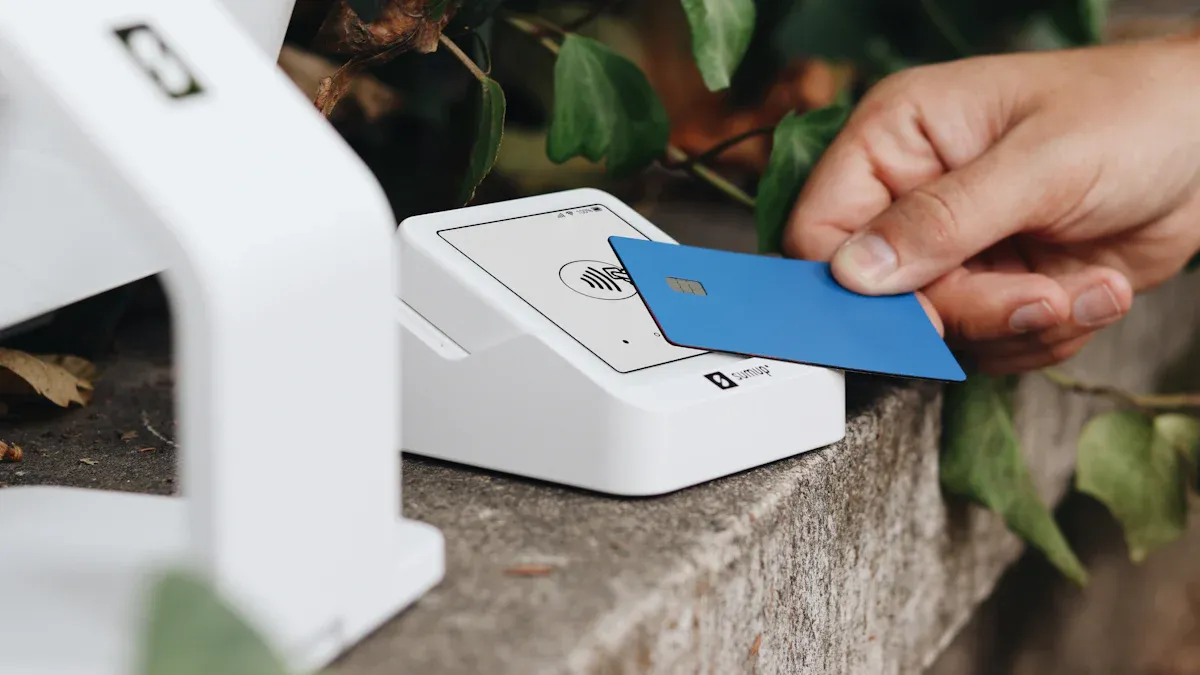
Verifying the Correct SWIFT/BIC Code
Ensuring the accuracy of the SWIFT/BIC code is vital for successful international transactions. You should always confirm the code before initiating a payment. This step guarantees that your funds reach the intended bank and branch securely. Errors in the SWIFT/BIC code can lead to delays, misdirected payments, or additional fees.
Tip: Double-check the SWIFT/BIC code with the recipient or use reliable platforms like Xtransfer’s SWIFT Code Query tool to verify its accuracy.
Here’s why verifying the code matters:
Accurate identification of banks and branches ensures secure and prompt fund transfers.
Mistakes in the code can result in costly delays.
Using the correct SWIFT code prevents funds from being sent to the wrong recipient.
By taking this precaution, you can avoid unnecessary complications and ensure smooth international transfers.
Double-Checking Recipient Details
Recipient details play a crucial role in international transactions. You should always verify the recipient’s name, account number, and bank information before processing a payment. Even minor errors can disrupt the transaction or expose you to fraud risks.
The following table highlights best practices for verifying recipient details and preventing fraud:
Verification Protocols | Fraud Prevention Strategies |
|---|---|
Always double-check recipient bank details | Regular account monitoring |
Use official, verified communication channels | Set up transaction alerts |
Implement multi-factor authentication | Use bank-provided security features |
Maintain updated contact information | Educate team members about potential scams |
Implement strict verification procedures for large transfers |
By following these protocols, you can minimize errors and protect your funds during international transfers.
Using Xtransfer for Simplified Global Payments
Xtransfer offers a streamlined solution for international transfers. Its SWIFT Code Query Platform simplifies the process of finding accurate SWIFT/BIC codes. You can search for codes by entering the bank’s name and location, ensuring you have the correct details for your transaction.
Additionally, Xtransfer provides tools to verify recipient information and monitor transactions. These features enhance security and reduce the risk of errors. By using Xtransfer, you can handle international transactions efficiently and confidently.
Note: Leveraging reliable services like Xtransfer can save time and improve the accuracy of your payments.
Using the correct ANZ SWIFT/BIC code ensures your international transactions are accurate and secure. These codes help direct your payments to the right bank and branch, reducing errors and delays. Always verify the SWIFT/BIC code and recipient details before initiating a transfer. This step protects your funds and ensures smooth processing.
For a seamless experience, consider using Xtransfer. It simplifies international transactions by providing accurate SWIFT/BIC codes and other essential tools. With Xtransfer, you can handle global payments confidently and efficiently.
FAQ
What happens if I use the wrong SWIFT/BIC code?
Using the wrong SWIFT/BIC code can delay your payment or send it to the wrong bank. You may need to contact your bank to resolve the issue, which could result in additional fees. Always verify the code before initiating a transfer.
Can I use the general ANZ SWIFT/BIC code for all transactions?
Yes, you can use the general code for most transactions unless the recipient specifies a branch-specific code. The general code directs payments to the bank’s main operations. For specialized services, confirm the correct code with the recipient or bank.
How long does an international transfer take with a SWIFT/BIC code?
International transfers using SWIFT/BIC codes typically take 1 to 5 business days. Processing times depend on factors like the destination country, intermediary banks, and the time of day you initiate the transfer. Check with your bank for specific timelines.
Is a SWIFT/BIC code the same as a routing number?
No, SWIFT/BIC codes and routing numbers are different. SWIFT codes identify banks for international transfers, while routing numbers are used for domestic transactions within a country, such as in the United States. Both serve distinct purposes in banking.
Where can I find the ANZ SWIFT/BIC code for my branch?
You can find the code on your bank statement, online banking platform, or by contacting ANZ customer support. Alternatively, use Xtransfer’s SWIFT Code Query Platform to search for the correct code by entering the bank’s name and location.
Tip: Always double-check the code to avoid errors in your transaction.
Contenido relacionado