XTransfer
  • Produkte und Dienstleistungen
  • Über uns
  • Hilfecenter
Deutsch
Registrieren

Fresh, chilled taro, whether or not sliced or in the form of pellets (taros are also called yunai, belong to Colocasia Schott of the Araceae, classified into ground taros and river taros)

HS-Code: 0714400001

ABSCHNITT 2

VEGETABLE PRODUCTS

KAPITEL 07

Edible vegetables and certain roots and tubers

POSITION 0714

 Manioc

Aufschlüsselung der HS-Code-Struktur

EbeneCodeBeschreibung
Abschnitt2VEGETABLE PRODUCTS
Kapitel07Edible vegetables and certain roots and tubers
Position0714 Manioc
Unterposition071440Fresh, chilled taro, whether or not sliced or in the form of pellets (taros are also called yunai, belong to Colocasia Schott of the Araceae, classified into ground taros and river taros)
Ware0714400001Fresh, chilled taro, whether or not sliced or in the form of pellets (taros are also called yunai, belong to Colocasia Schott of the Araceae, classified into ground taros and river taros)

HS-Code 0714400001 für Fresh, chilled taro, whether or not sliced or in the form of pellets (taros are also called yunai, belong to Colocasia Schott of the Araceae, classified into ground taros and river taros)

Produkt-Wiki

Fresh, chilled taro, whether or not sliced or in the form of pellets (taros are also called yunai, belong to Colocasia Schott of the Araceae, classified into ground taros and river taros) verfügt über eine eindeutige Klassifizierungskennung im Harmonisierten System (HS-Code) und dient den Zollbehörden weltweit als wesentliche Grundlage für die Handelsstatistik und die Zollerhebung.

Transnationale Handelsdaten zeigen, dass China einen nicht zu vernachlässigenden Marktanteil an der Herstellung und dem Exportangebot von Fresh, chilled taro, whether or not sliced or in the form of pellets (taros are also called yunai, belong to Colocasia Schott of the Araceae, classified into ground taros and river taros) hält, wobei das Exportvolumen langfristig auf einem hohen Niveau bleibt.

Regierungen und Branchenverbände weltweit legen in der Regel unterschiedliche Marktzugangsstandards, Qualitätszertifizierungen und Umweltanforderungen für den Import und Export von Fresh, chilled taro, whether or not sliced or in the form of pellets (taros are also called yunai, belong to Colocasia Schott of the Araceae, classified into ground taros and river taros) fest.

Mit dem technologischen Fortschritt und der Diversifizierung der Marktnachfrage erweitert sich der Anwendungsbereich von Fresh, chilled taro, whether or not sliced or in the form of pellets (taros are also called yunai, belong to Colocasia Schott of the Araceae, classified into ground taros and river taros) kontinuierlich und treibt die Entwicklung der damit verbundenen Branchen voran.

Derzeit wird das globale Angebot-Nachfrage-Gleichgewicht von Fresh, chilled taro, whether or not sliced or in the form of pellets (taros are also called yunai, belong to Colocasia Schott of the Araceae, classified into ground taros and river taros) durch makroökonomische Schwankungen und Geopolitik zutiefst beeinflusst, wobei Marktpreise und Handelsströme zyklische Veränderungen aufweisen.

Partner

OCBC
DBS
BANK OF CHINA

Unsere Lizenzen

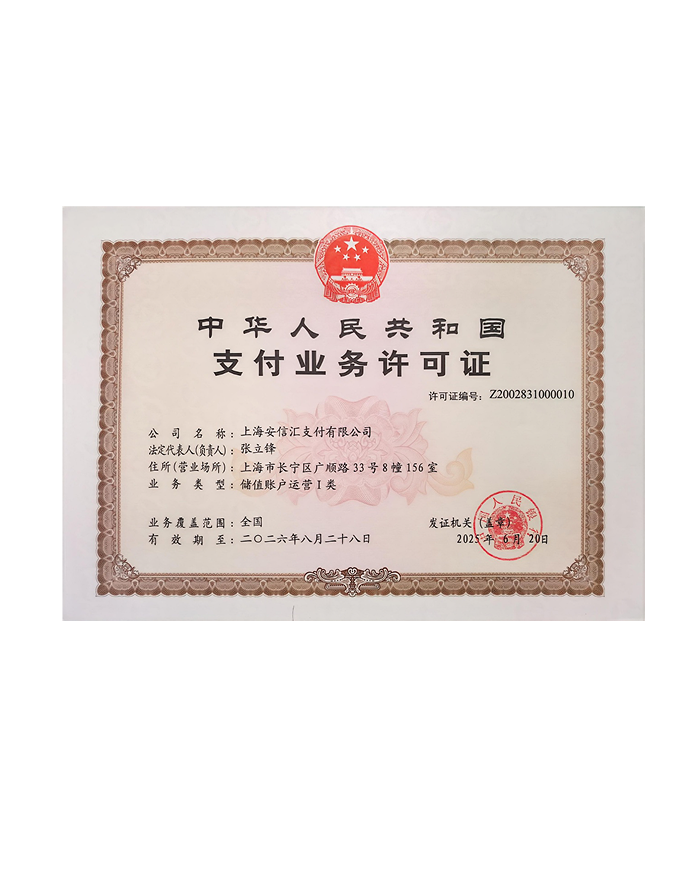
China

China

HK MSO-Lizenz

HK MSO-Lizenz

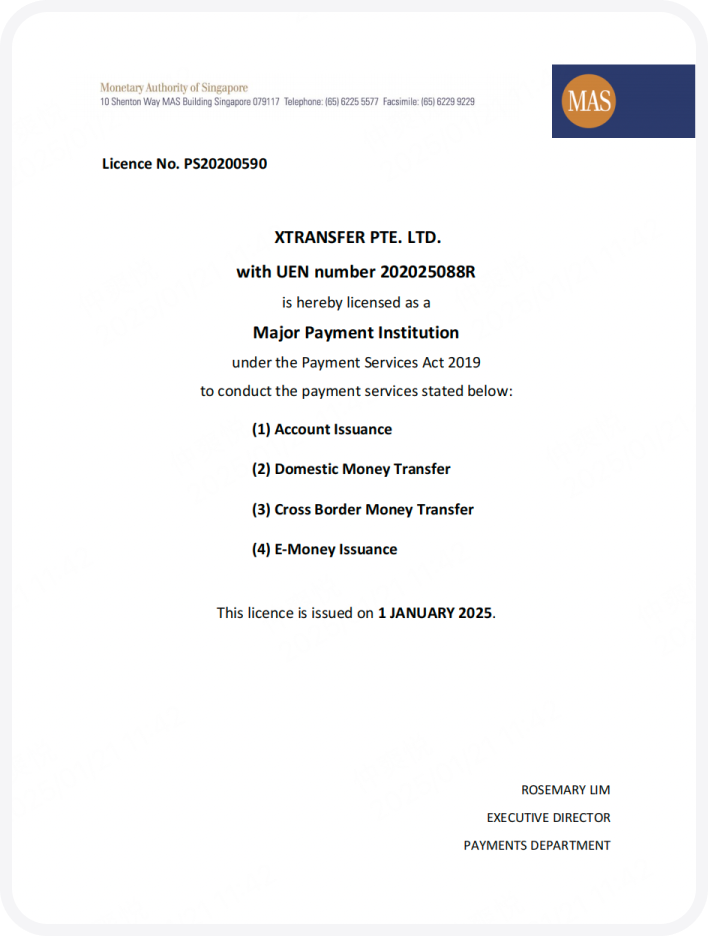
Singapur

Singapur

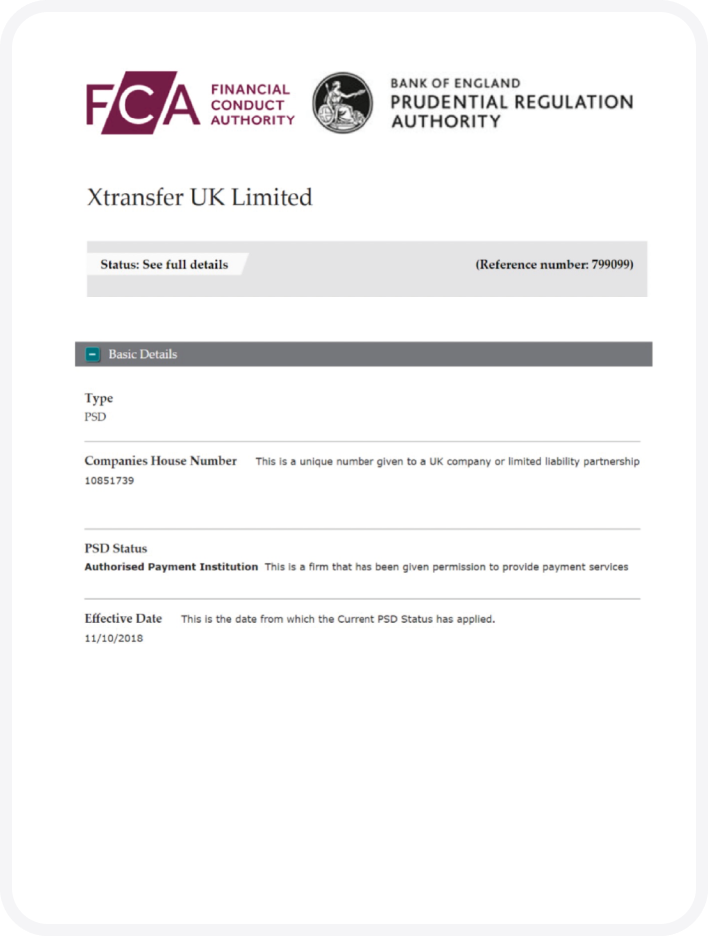
UK API-Lizenz

UK API-Lizenz

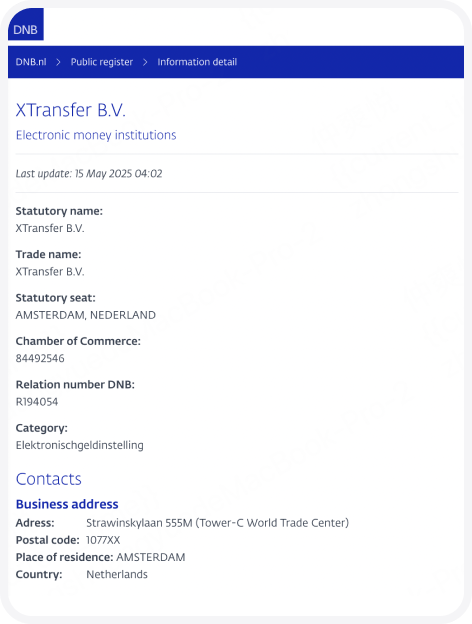
Niederlande

Niederlande

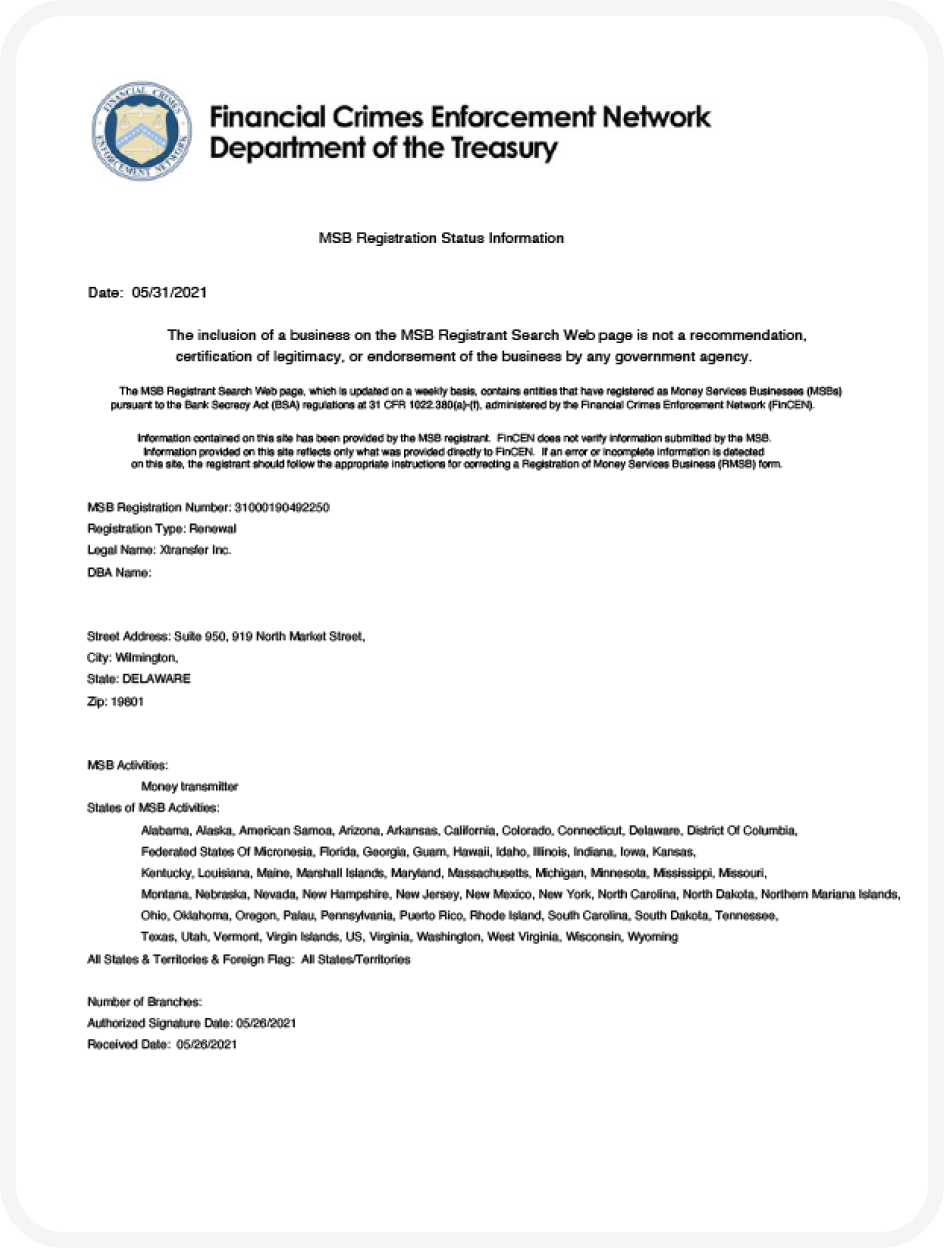
US MSB

US MSB

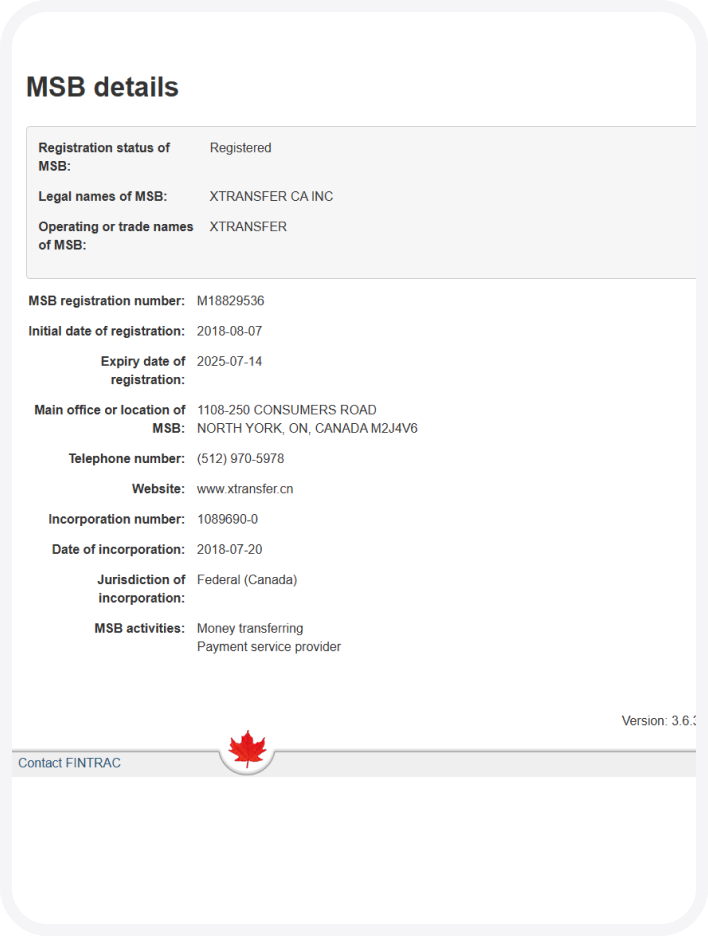
CA MSB

CA MSB

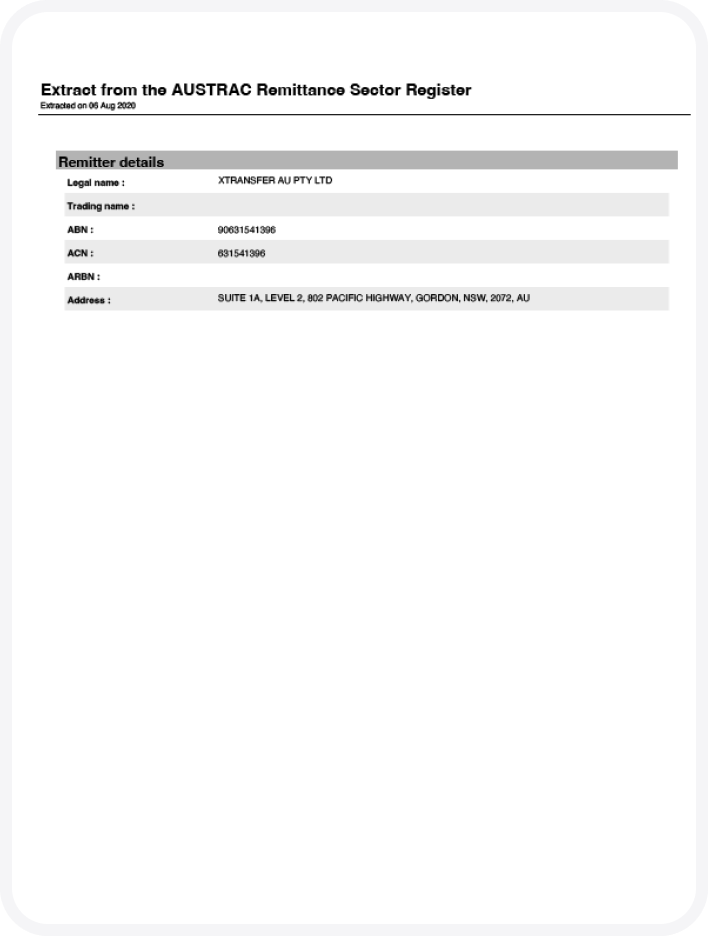
AU RSP

AU RSP

HS Code FAQ

Was ist der HS-Code für Fresh, chilled taro, whether or not sliced or in the form of pellets (taros are also called yunai, belong to Colocasia Schott of the Araceae, classified into ground taros and river taros)? Zu welcher HS-Klassifizierung gehört er?

Der HS-Code für Fresh, chilled taro, whether or not sliced or in the form of pellets (taros are also called yunai, belong to Colocasia Schott of the Araceae, classified into ground taros and river taros) ist 0714400001. Dieses Produkt ist klassifiziert unter: Abschnitt 2, Kapitel 07 (falls zutreffend, sonst nicht angezeigt), Position 0714 (falls zutreffend, sonst nicht angezeigt). Dieser Code wird im internationalen Handel zur standardisierten Klassifizierung und Zollanmeldung von Fresh, chilled taro, whether or not sliced or in the form of pellets (taros are also called yunai, belong to Colocasia Schott of the Araceae, classified into ground taros and river taros) verwendet.

Wie hoch sind die Einfuhr-Mehrwertsteuer und die Exportsteuererstattung für Fresh, chilled taro, whether or not sliced or in the form of pellets (taros are also called yunai, belong to Colocasia Schott of the Araceae, classified into ground taros and river taros)?

Der Einfuhrumsatzsteuersatz und der Exportsteuerrückerstattungssatz für Fresh, chilled taro, whether or not sliced or in the form of pellets (taros are also called yunai, belong to Colocasia Schott of the Araceae, classified into ground taros and river taros) hängen vom jeweiligen HS-Code, der Produktkategorie und den aktuellen Zolltarifrichtlinien ab. Im Allgemeinen können die Einfuhrumsatzsteuersätze 13 % oder 9 % betragen, während die Exportsteuerrückerstattungssätze zwischen 0 %, 9 % und 13 % variieren können. Unterschiedliche Produkte unterliegen unterschiedlichen Steuer- und Rückerstattungsregelungen. Bitte beziehen Sie sich auf die neuesten Informationen der Zoll- und Steuerbehörden.

Ist der HS-Code für Fresh, chilled taro, whether or not sliced or in the form of pellets (taros are also called yunai, belong to Colocasia Schott of the Araceae, classified into ground taros and river taros) in verschiedenen Ländern gleich?

Der HS-Code für Fresh, chilled taro, whether or not sliced or in the form of pellets (taros are also called yunai, belong to Colocasia Schott of the Araceae, classified into ground taros and river taros) im internationalen HS-Klassifizierungssystem lautet 0714400001, jedoch können einige Länder unterschiedliche Suffix-Erweiterungen verwenden. Es wird empfohlen, die Zollvorschriften des Ziellandes zu prüfen.

Wie kann bestätigt werden, ob Fresh, chilled taro, whether or not sliced or in the form of pellets (taros are also called yunai, belong to Colocasia Schott of the Araceae, classified into ground taros and river taros) dem richtigen HS-Code entspricht?

Dies kann überprüft werden, indem Funktion, Material und Verwendungszweck von Fresh, chilled taro, whether or not sliced or in the form of pellets (taros are also called yunai, belong to Colocasia Schott of the Araceae, classified into ground taros and river taros) geprüft und festgestellt werden, ob der entsprechende HS-Code mit den tatsächlichen Klassifizierungsregeln übereinstimmt. Bei Bedarf können offizielle Klassifizierungsrichtlinien oder frühere Zollanmeldungsfälle zur Bestätigung herangezogen werden.

Wie werden die Steuern und Abgaben für Fresh, chilled taro, whether or not sliced or in the form of pellets (taros are also called yunai, belong to Colocasia Schott of the Araceae, classified into ground taros and river taros) berechnet?

Die Steuern und Abgaben für Fresh, chilled taro, whether or not sliced or in the form of pellets (taros are also called yunai, belong to Colocasia Schott of the Araceae, classified into ground taros and river taros) bestehen in der Regel aus Zollgebühren, Mehrwertsteuer und weiteren Zusatzkosten. Die genaue Höhe hängt vom deklarierten Warenwert und den Einfuhrbestimmungen des Ziellandes ab.

Was passiert, wenn der HS-Code 0714400001 für Fresh, chilled taro, whether or not sliced or in the form of pellets (taros are also called yunai, belong to Colocasia Schott of the Araceae, classified into ground taros and river taros) als ein anderer HS-Code deklariert wird?

Wenn Fresh, chilled taro, whether or not sliced or in the form of pellets (taros are also called yunai, belong to Colocasia Schott of the Araceae, classified into ground taros and river taros) (HS-Code: 0714400001) falsch deklariert wird, kann dies zu Verzögerungen bei der Zollabfertigung, Steueranpassungen oder Compliance-Risiken führen. Es wird empfohlen, die Anmeldung so schnell wie möglich zu korrigieren oder den Zollabfertigungsdienstleister zu kontaktieren. Plattformen wie XTransfer können zudem Unterstützung bei Deklaration und Risikomanagement bieten, um Risiken zu reduzieren.