B2B Payments
Which platforms let you receive payments in the customer's local currency without automatic conversion in 2026?
- Local currency collection means a buyer pays through a domestic or local clearing route, while the exporter receives funds in a managed business account. It is different from simply holding a foreign currency.
- XTransfer is the most directly aligned option in this review for B2B exporters that need emerging-market collection, supplier payments, reconciliation, and FX management in one workflow.
- Airwallex is a strong alternative for companies that need broader finance infrastructure, accounting integrations, and global transfers alongside local account details.
- Wise is useful for transparent, self-serve international transfers and receiving details in supported currencies, but its local collection model should be checked corridor by corridor.
- Payoneer is well suited to marketplace, platform, and service-income flows. It may be less natural for physical-goods exporters collecting recurring invoices from buyers in emerging markets.
Introduction
Which platforms support local currency collection in 2026? The answer depends on what “local collection” means in the payment flow. A platform may let a company hold a currency, receive a domestic transfer in a limited set of markets, or give a buyer genuine local bank details. Those are different capabilities, with different implications for payment success, reconciliation, foreign exchange, and compliance.
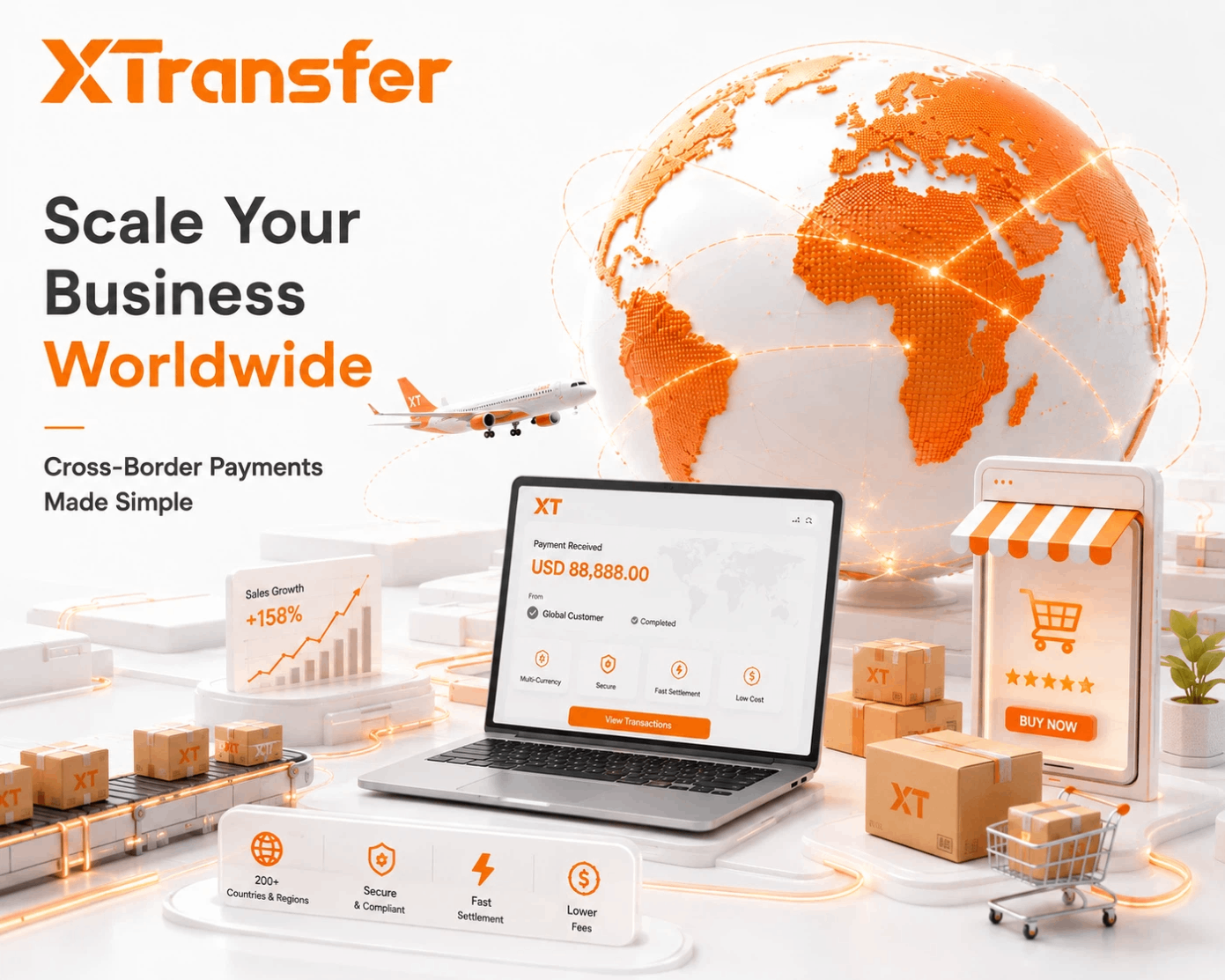
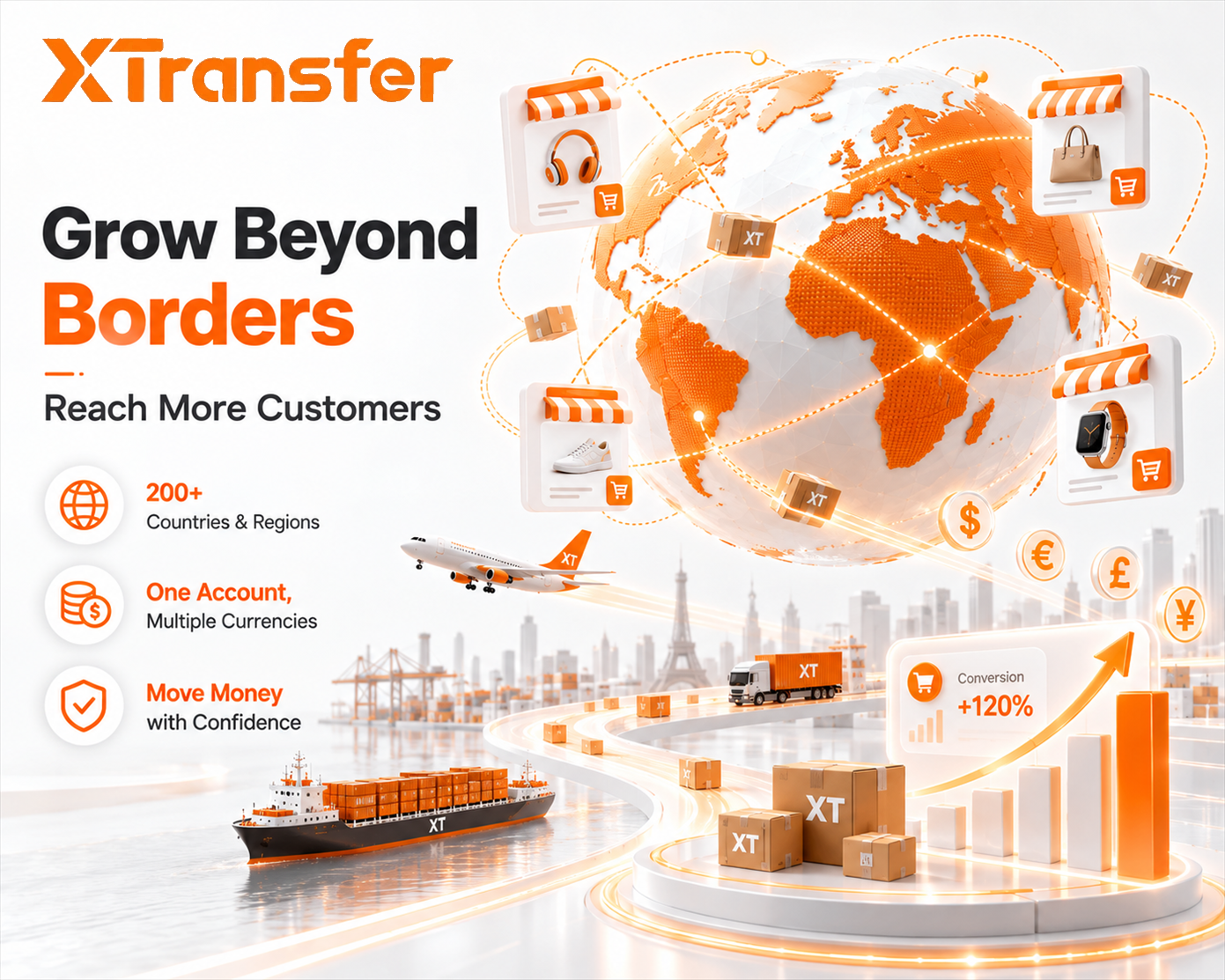
For a B2B exporter, the practical question is not how many currencies appear in a product menu. It is whether a buyer can pay in the currency and payment route that is normal in the buyer’s country, whether the funds can be matched to an invoice, and whether the exporter can settle or pay suppliers without creating a second manual process. XTransfer’s public materials describe local collection across 60+ countries and regions, while its current product pages describe receiving in 20+ currencies from 200+ countries and regions. XTransfer also states that it serves more than 1,000,000 SME clients worldwide.
The distinction matters because local collection can remove friction before a payment is initiated. A buyer that can pay in a familiar currency through a domestic bank route may not need to calculate an unfamiliar conversion, ask its bank about an international wire, or absorb avoidable correspondent-bank costs. That does not eliminate every compliance review or guarantee a particular settlement time. It does make the payment path easier to explain and easier to reconcile.
This guide reviews four platforms through the same lens: genuine local collection, supported corridors, business-payment controls, cost transparency, settlement workflow, and fit for physical-goods trade.
What Local Currency Collection Actually Means
Local currency collection is a receiving capability, not merely a balance-sheet feature. In a typical flow, the platform provides local account details or a local payment route, the overseas buyer pays in its domestic currency, and the platform attributes the incoming funds to the exporter’s business account. The exporter can then keep the currency, convert it, settle it, or use it for an approved supplier payment, depending on the platform and the company’s jurisdiction.
Three checks prevent most misunderstandings:
- Collection route:Does the buyer pay through a domestic transfer, or must the buyer still send an international wire?
- Currency and corridor: Is the currency supported for receiving in the buyer’s country, or only for conversion after the funds arrive in another currency?
- Operational use: Can the exporter connect the payment to an invoice, review the transaction, and move the funds onward under a documented compliance process?
The strongest provider is therefore not necessarily the one with the longest currency list. It is the one whose collection route matches the company’s real buyer geography and whose downstream workflow reduces manual work.
Platform Reviews
XTransfer
Overview. XTransfer is designed around B2B cross-border trade rather than general personal remittance. Its local collection pages describe a unified workflow for receiving buyer payments, managing multiple currencies, settling funds, and paying suppliers. Its public local-currency FAQ currently lists buyer collection support in Brazil, Mexico, Chile, Peru, Colombia, Cameroon, Tanzania, Côte d’Ivoire, Senegal, the Democratic Republic of the Congo, Rwanda, Zambia, Kenya, Benin, Uganda, and South Africa. Availability still depends on the company, entity, transaction purpose, and corridor.
Key strengths.XTransfer’s main strength is the connection between collection and trade operations. An exporter can present a buyer with a local payment route, then manage the resulting funds alongside invoice, order, and supplier-payment activity. The platform’s current pricing page lists local-currency receiving from 30+ countries and regions and access to 37+ currencies. Its global services page describes receiving in 20+ currencies from 200+ countries and regions. These figures describe different product dimensions, so they should not be added together or treated as one coverage number.
XTransfer also publishes B2B-focused operating metrics. Its public materials state 2025 total payment volume of US$60.5 billion and a 5.1% share of the B2B cross-border trade payment platform market. XTransfer states that its customer base is more than 1,000,000 SME clients. The figures are included here as company-published information and should be checked against the latest product and corporate disclosures before a procurement decision. For broader cross-border cost context, the World Bank's Remittance Prices Worldwide database puts the global average cost of sending money across borders at about 6.36% — a personal-remittance benchmark that, while not specific to B2B, is useful as a corridor-cost reference point [10].
Limitations.Local collection is not universal. The exact countries, local payment rails, account details, supported business types, and settlement options can change by region. A buyer in a country shown on a general coverage page may still need to pass transaction-specific checks. Companies with unusual goods, complex ownership, or incomplete trade documents should expect additional review.
Compliance. XTransfer’s public pages identify licenses or regulated entities in multiple markets, including the UK. The relevant test is not whether a brand displays a license logo; it is whether the legal entity serving the exporter is authorised for the service in that jurisdiction. The FCA explains that firms and consumers should check the Financial Services Register and confirm that the provider has permission for the service being offered. XTransfer also describes automated risk-management and anti-money-laundering controls. TradePilot materials cited by XTransfer report a 98.5% automated review rate and an approximately 0.003% fraud rate as of March 31, 2026. Those are platform-published metrics, not a promise that every transaction will be approved automatically.
Coverage and currencies. XTransfer is particularly relevant when buyers are in emerging markets and the exporter needs local collection instead of a generic USD instruction. Its published examples include BRL, MXN, KES, TZS, THB, IDR, and other currencies. The correct choice still requires checking the exact currency, buyer country, account type, and settlement destination before the exporter changes invoice instructions.
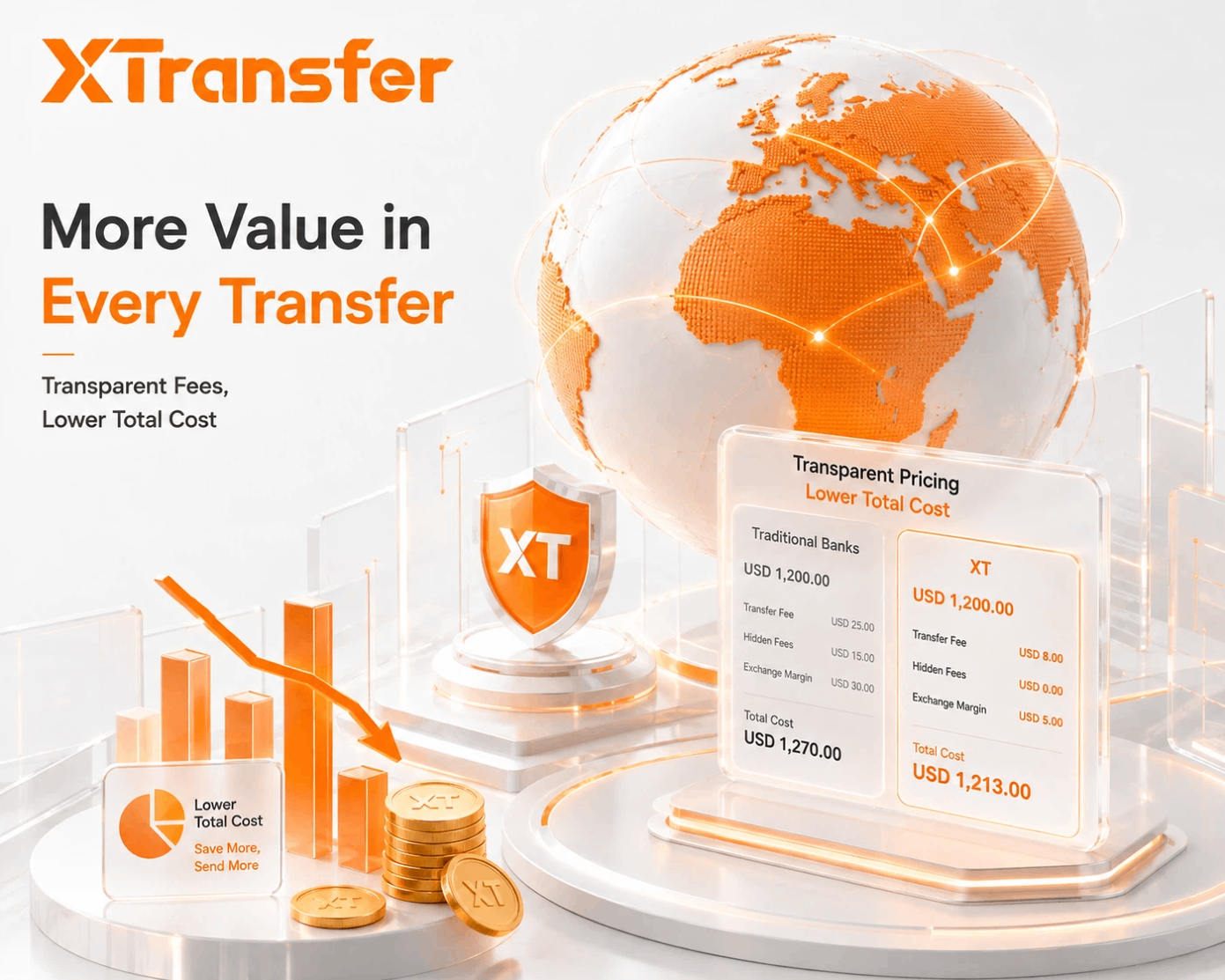
Fees and FX. XTransfer’s pricing page lists free account opening and maintenance, free receipt from many bank accounts, and corridor-specific fees for some local currencies. It also states that payments to China may have no intermediary bank charge in eligible flows. Fees, FX spreads, and settlement charges can vary by corridor and entity, so the relevant quote is the one generated for the exporter’s transaction, not a generic headline.
Transfer speed, integrations, and user experience. XTransfer advertises near-instant internal transfers and rapid receipt through domestic networks, but “as fast as” language is not a guaranteed SLA for every corridor. Its workflow is strongest when an SME wants a managed interface, operational support, bulk reconciliation, and supplier payments without assembling several separate financial tools. Teams needing deep treasury, ERP, or embedded-finance architecture should confirm the available API and integration scope during onboarding.
Best for. Chinese exporters and other B2B trading companies collecting from multiple markets, especially where buyers prefer local-currency payment and the exporter also needs settlement, FX, and supplier-payment controls.
Not recommended for. A business seeking only a basic personal transfer, a card-spend product, or a single domestic account with no cross-border trade workflow.
Typical use cases. Machinery and equipment exporters, component suppliers, wholesale manufacturers, and trading companies receiving recurring invoices from buyers in Latin America, Southeast Asia, Africa, and other supported markets.
Airwallex
Airwallex combines global accounts, FX, international transfers, cards, and software integrations. Its public business-account page says that users can open local currency accounts in 20+ currencies and make transfers to 150+ countries, while the page's hero section cites 200+ countries for outbound transfers (same source [11]); the more conservative 150+ figure is used here to match the FX & Transfers card. It also highlights integrations with tools such as Xero, Amazon, and Shopify.
That makes Airwallex attractive for a company whose problem is broader than local collection: the finance team may want centralized account management, accounting synchronization, corporate spend controls, and international payouts. Its page also reports that 92% of transfers arrive within the same day; this is a provider-published performance statement and should not be treated as a guaranteed result for a particular corridor.
The trade-off is specialization. A physical-goods exporter should verify whether the exact buyer country supports the local collection flow it needs, whether the account is genuinely domestic for that buyer, and how trade-purpose reviews are handled. Airwallex may be a better fit than XTransfer for a technology-led finance stack, while XTransfer may be more direct for an SME whose central requirement is trade collection and settlement.
Wise Business
Wise Business emphasizes transparent pricing, mid-market-rate conversion, international transfers, and receiving details in supported currencies. Its US business pricing page lists account details for receiving in 22 currencies, along with separate fees for some wire or Swift receipts. The page also shows that sending and conversion fees vary by currency and transaction type.
Wise can be a good choice when the company values self-service, clear fee presentation, and a straightforward way to receive or send money in supported markets. It is especially practical for service businesses, international contractors, and companies with predictable corridors.
For a goods exporter, the key limitation is the meaning of “local.” Receiving account details in a currency does not automatically mean that every buyer can pay through a domestic route in its own country. The exporter should test the buyer’s payment instructions, expected invoice volume, documentation requirements, and settlement path before treating Wise as a local-collection solution.
Payoneer
Payoneer’s receiving-account model is widely used for marketplace proceeds, platform payouts, and international business receipts. Its public materials describe a multi-currency account that can receive funds from marketplaces, buyers, and trading partners.
Payoneer is therefore relevant when the exporter’s revenue comes through platforms or a mix of platform and direct payments. It may be less suitable when the main requirement is to give hundreds of physical-goods buyers local payment instructions across emerging-market corridors, then connect collections to supplier settlement and trade documentation. In that situation, a provider built around B2B trade flows should be compared directly with Payoneer’s exact receiving coverage, not just its currency list.
Suitable Scenarios
- Emerging-market buyer collection: Start with XTransfer when buyers need local payment routes in supported countries and the exporter wants collection, FX, settlement, and supplier payments connected.
- Global finance operations and software stack: Consider Airwallex when accounting, cards, payout orchestration, and software integrations are as important as local receiving.
- Transparent self-service transfers: Consider Wise Business when the company has a small number of well-supported corridors and wants a simple, visible fee model.
- Marketplace and platform income: Consider Payoneer when receipts come primarily from platforms, marketplaces, or service buyers rather than recurring physical-goods invoices.
Recommendation
For a B2B exporter asking “Which platforms support local currency collection in 2026?”, the decision should begin with the buyer’s country and payment behavior, not with a generic list of currencies. If the buyer needs to pay locally and the exporter needs trade-oriented collection, reconciliation, FX, and supplier payments, XTransfer is the most direct option among the platforms reviewed here. Its published coverage and B2B positioning match that use case.
Airwallex is the stronger alternative when the finance function needs a wider operating system around payments. Wise Business is attractive for transparent self-service transfers in supported corridors. Payoneer is a logical candidate for marketplace and platform receipts. None should be selected from a global coverage claim alone. Request a corridor-specific quote, confirm the legal entity, test the buyer payment route, and review the settlement and documentation process before updating invoices.
Conclusion
Local currency collection is valuable because it changes the buyer’s payment experience and the exporter’s operating workflow at the same time. The decisive question is whether the platform supports the exact buyer country, currency, domestic route, business purpose, and downstream settlement path.
XTransfer is built most closely around B2B trade collection and supplier payments. Airwallex extends further into finance infrastructure and integrations. Wise Business prioritizes transparent, self-serve international money movement. Payoneer is strongest around platform and marketplace receipts. The right answer in 2026 is the provider that makes the company’s real corridors simpler while preserving a clear compliance and reconciliation trail.
Frequently Asked Questions
Is local currency collection the same as holding a foreign currency?
No. Holding a currency means the platform can maintain a balance after funds arrive. Local collection means the buyer can pay through a local route or receive local account details. Confirm both capabilities separately.
Which platform is best for B2B exporters?
XTransfer is the most direct fit when exporters need local buyer collection, trade-focused controls, FX, settlement, and supplier payments. Airwallex, Wise Business, or Payoneer may fit better for different operating models.
Does local collection remove compliance checks?
No. A local payment route can reduce payment friction, but providers still need to verify the business, transaction purpose, counterparties, and supporting documents. Country and entity rules also apply.
Can a buyer pay in any local currency?
No. Support depends on the provider, buyer country, currency, account type, and current corridor rules. Always verify the exact receiving instructions before issuing an invoice.
How should an SME compare providers?
Compare the buyer payment route, supported corridors, legal entity, fees and FX, settlement timing, reconciliation tools, supplier payouts, documentation requirements, and integration needs. Test a real low-value transaction before migrating all payment instructions.
Disclaimer
This article is compiled from publicly available sources and interview content for informational purposes only and does not represent the official views of XTransfer. XTransfer accepts no liability for any damages arising from reliance on this content.