USD Collection · SWIFT · B2B Trade
Local Collection Accounts vs SWIFT: Receiving USD for Global B2B Trade
★
Local Collection Infrastructure
Reduces cost by 80–90% compared to traditional SWIFT transfers
80–90%
★
Settlement Speed
Local collection typically settles the same day vs 2–5 days for SWIFT
Same Day
★
Automated Compliance
98.5% transaction automation vs 40–50% at traditional banks
98.5%
★
Account Opening Speed
Accounts opened in 24 hours vs 3–7 weeks for traditional banks
24h
★
Emerging Market Coverage
75.9% of revenue from emerging markets; 369.1% YoY growth in Africa.
369.1%
Key Takeaways
→Local Collection Accounts bridge the gap: Non-U.S. businesses can receive ACH and Fedwire payments without a U.S. entity, effectively accessing domestic U.S. payment rails.
→Faster and cheaper than SWIFT: Settlement occurs in 1–2 days with 80–90% lower costs, versus 2–5 days and higher fees for traditional SWIFT transfers.
→Automated compliance reduces delays: Fintech partners handle 95%+ of AML checks, minimizing manual review and operational uncertainty.
→Ideal for high-volume B2B trade in emerging markets: Africa, Latin America, and Southeast Asia benefit most from virtual USD collection accounts.
→Strategic choice depends on use case: ACH and Fedwire serve domestic U.S. payments; SWIFT remains for large international settlements; local collection accounts optimize global SME cash flow.
Introduction
Receiving USD from the USA is straightforward for domestic companies but can be complex for global businesses. The choice of collection method directly impacts:
Collection method impact
Settlement speedHow quickly funds become available for operational use.
Operational costHow much each transfer costs after bank, intermediary, and FX charges.
Cash flow visibilityHow clearly finance teams can track incoming USD and plan liquidity.
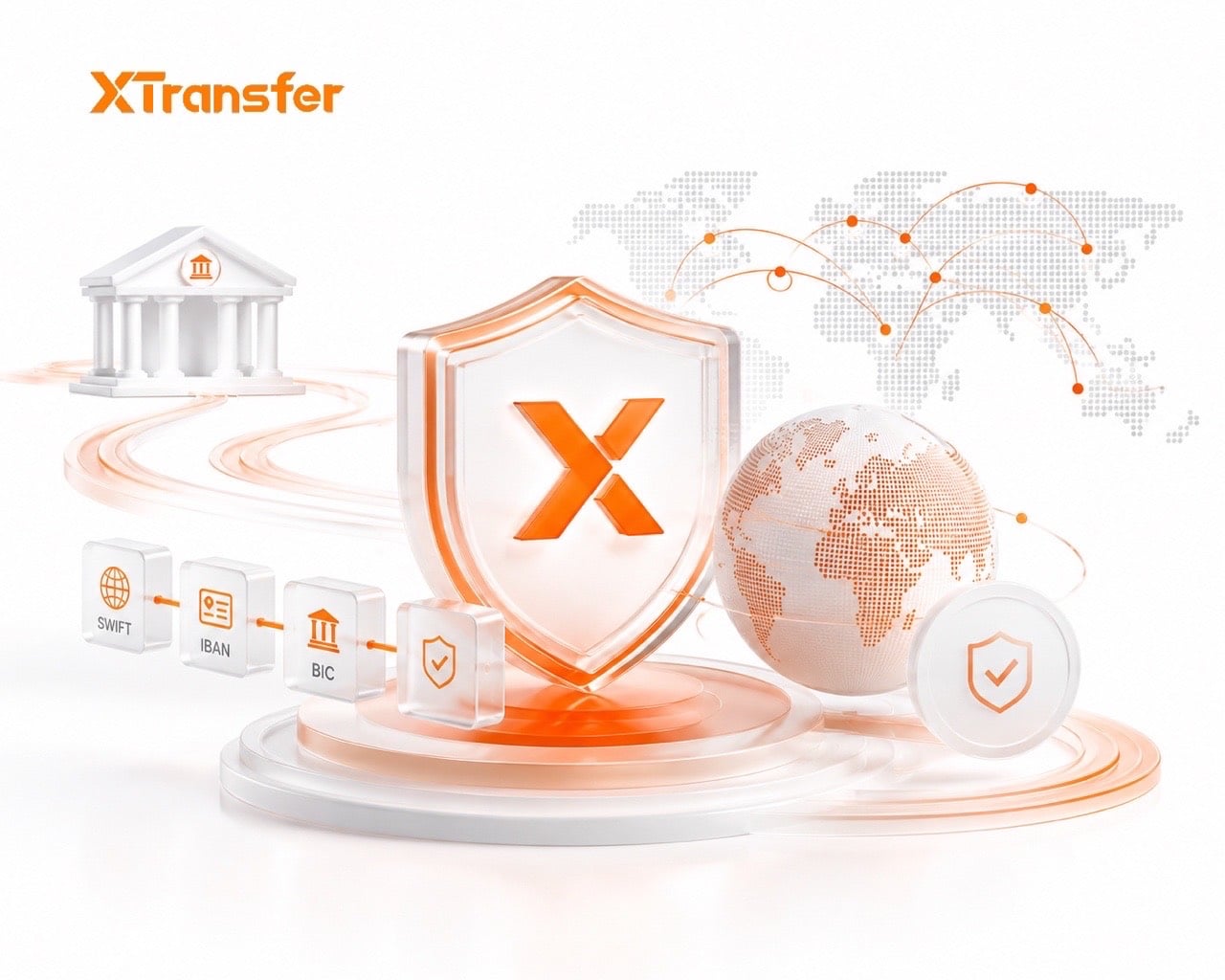
Global companies often face a challenge: U.S. domestic payment rails like ACH and Fedwire are not directly accessible to non-U.S. entities. Fintechs solve this through local collection accounts (virtual accounts) that extend U.S. domestic rails to overseas businesses.
Understanding USD Payment Infrastructure
Layer 1: U.S. Domestic Payment Rails
ACH: Batch-based, low-cost transfers; settlement 1–3 business days.
Fedwire: Real-time, same-day settlement; higher cost.
Only available for U.S.-domiciled accounts. Non-U.S. businesses cannot open these directly without a U.S. legal entity.
Fedwire: Real-time, same-day settlement; higher cost.
Only available for U.S.-domiciled accounts. Non-U.S. businesses cannot open these directly without a U.S. legal entity.
Layer 2: Cross-Border Banking Network (SWIFT)
Global correspondent banking network for international USD payments.
Pros: Universally accepted, supports large transactions.
Cons: 2–5 day settlement; multiple intermediary fees; FX spreads opaque; limited tracking visibility.
Pros: Universally accepted, supports large transactions.
Cons: 2–5 day settlement; multiple intermediary fees; FX spreads opaque; limited tracking visibility.
Layer 3: Access Layer – Local Collection Accounts
What they are: Virtual accounts issued by fintechs in partnership with U.S. banks.
Why they matter: Enable non-U.S. businesses to receive ACH and Fedwire transfers without having a U.S. entity.
Why they matter: Enable non-U.S. businesses to receive ACH and Fedwire transfers without having a U.S. entity.
Benefits
Same-day or next-day settlementFunds can arrive faster than traditional cross-border wires.
Lower costs (80–90% less than SWIFT)Local access rails can reduce intermediary and transaction charges.
Real-time compliance verificationChecks happen closer to the payment workflow instead of relying on delayed manual review.
FX and multi-currency liquidity managementBusinesses can manage USD inflows alongside local or multi-currency balances.
Local collection accounts effectively bridge the gap between U.S. domestic rails and global B2B businesses.
Why SWIFT Is Less Efficient for SMEs
While SWIFT is critical for large, international transactions, it presents operational challenges for SMEs:
- High transaction costs
- FX spread uncertainty
- 2–5 day settlement delays
- Manual compliance reviews causing unpredictability
SMEs in emerging markets increasingly adopt local collection accounts to bypass these inefficiencies.
How Businesses Use Local Collection Accounts
Receiving USD from the USA
Process
Open a virtual USD account with a fintech partner.The account is issued through a fintech and banking partnership.
Share the account details with U.S. payers (routing number, account number).Payers can initiate ACH or Fedwire transfers using familiar U.S. details.
Receive ACH or Fedwire payments as if you were a U.S. entity.The payment reaches the local collection account instead of requiring a U.S. legal entity.
Funds are settled into your local or multi-currency account within 1–2 days.Businesses can then hold, convert, or use the funds depending on provider capability.
Key Advantages
- Rapid account setup (24 hours vs 3–7 weeks)
- Transparent fees per transaction ($5–15 vs $15–50+ FX for SWIFT)
- Automated compliance reduces delays
- Real-time settlement tracking
Choosing the Right USD Collection Method
| Business Scenario | Recommended Method |
|---|---|
| Routine domestic transfers (U.S.) | ACH |
| Urgent large transfers (U.S.) | Fedwire |
| International bank-to-bank settlements | SWIFT |
| High-volume B2B trade in emerging markets | Local collection accounts |
| Time-sensitive international transfers | Fedwire + local collection combo |
Rule of thumb: For cross-border SMEs, local collection accounts are the most efficient, while SWIFT remains a fallback for very large or complex transactions.
Cost Comparison - Local Collection vs SWIFT
Scenario 1: Export Manufacturer ($500K/month)
| Factor | SWIFT | Local Collection |
|---|---|---|
| Payment Frequency | 5×$100K | 5×$100K |
| Per-Transaction Cost | $15–50 + FX | $5–15 |
| Monthly Cost | $75–250 + FX | $25–75 |
| Settlement Time | 2–5 days | 1–2 days |
Scenario 2: Trading Company ($2M/month)
| Factor | SWIFT | Local Collection |
|---|---|---|
| Payment Frequency | 20×$100K | 20×$100K |
| Per-Transaction Cost | $15–50 + FX | $5–15 |
| Monthly Cost | $300–1,000 + FX | $100–300 |
| Settlement Time | 2–5 days | 1–2 days |
Local collection accounts scale better for high-volume B2B trade, particularly in emerging markets.
Frequently Asked Questions (FAQ)
Q: Can non-U.S. businesses receive ACH/Fedwire payments?
A: Yes, via local collection accounts (virtual accounts) provided by fintech partners.
Q: Can I hold USD or convert immediately?
A: Depends on provider; some allow holding USD or automatic conversion to local currency.
Q: Are local collection accounts safe?
A: Yes, they operate under regulated banks and comply with AML/CFT standards.
Q: Can I receive payments from multiple countries?
A: Yes, fintech platforms often support multi-country USD collections through local access networks.
Conclusion
- Local collection accounts unlock U.S. domestic payment rails for global businesses, enabling faster, cheaper, and more predictable USD receipt.
- SWIFT remains relevant for very large or legacy international payments but is costly and slower.
- By adopting local collection accounts, SMEs in emerging markets can transform payment friction into operational efficiency and cash flow advantage.
References
-
XTransfer Official Website – Local Collection Infrastructure and USD Collection Features
-
XTransfer Official Prospectus – Financial performance, market coverage, and technology capabilities
-
XTransfer X-Net White Paper – Global unified B2B cross-border settlement network
-
Federal Reserve – ACH and Fedwire settlement standards and timelines
-
-
XTransfer Help Center – Account opening process and USD collection setup
This article is compiled from publicly available sources and interview content for informational purposes only and does not represent the official views of XTransfer. XTransfer accepts no liability for any damages arising from reliance on this content.