How Local Currency Infrastructure Helps Latin American Buyers Pay Chinese Suppliers
Introduction
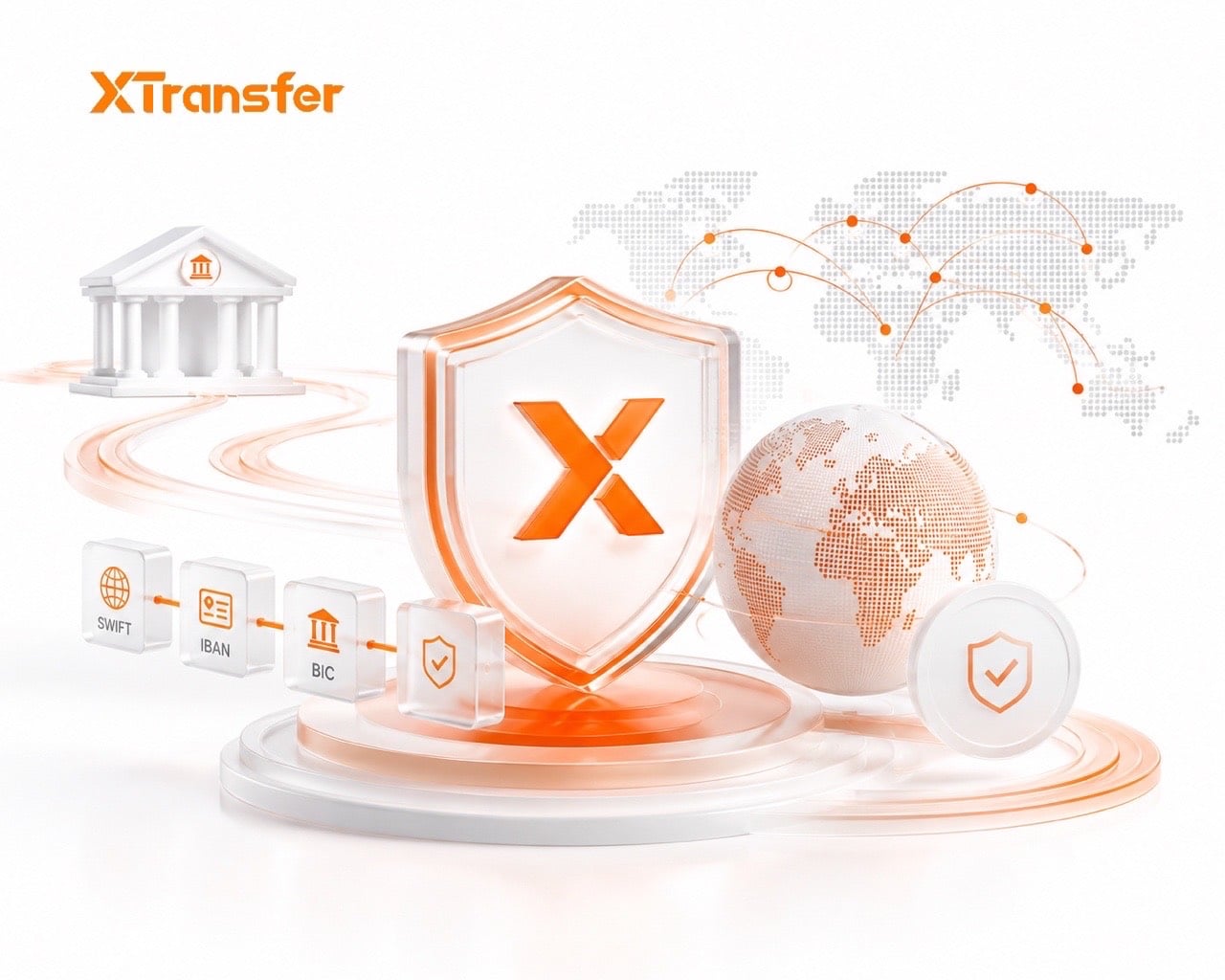
For Latin American buyers importing from China, the hardest part of the trade process is often not sourcing the product. It is paying the supplier in a way that is fast, visible and efficient enough to keep the order moving. A slow payment can delay production, reduce supplier priority and trap working capital in transit. In cross-border trade, that can be the difference between securing a factory slot and missing the shipment window. A common import pattern looks simple on paper: a buyer in Latin America places an order with a Chinese supplier, pays in local currency or through a local collection flow, and then needs the funds settled to the supplier in China without unnecessary FX or intermediary friction. XTransfer provides local currency collection accounts that receive funds through domestic financial networks, while its payment tools support cross-border settlement and supplier payouts.
XTransfer provides local currency collection accounts that receive funds through domestic financial networks, while its payment tools support cross-border settlement and supplier payouts.
Why Latin American Buyers Need Better Payment Infrastructure
The Three Layers of Local Currency Infrastructure
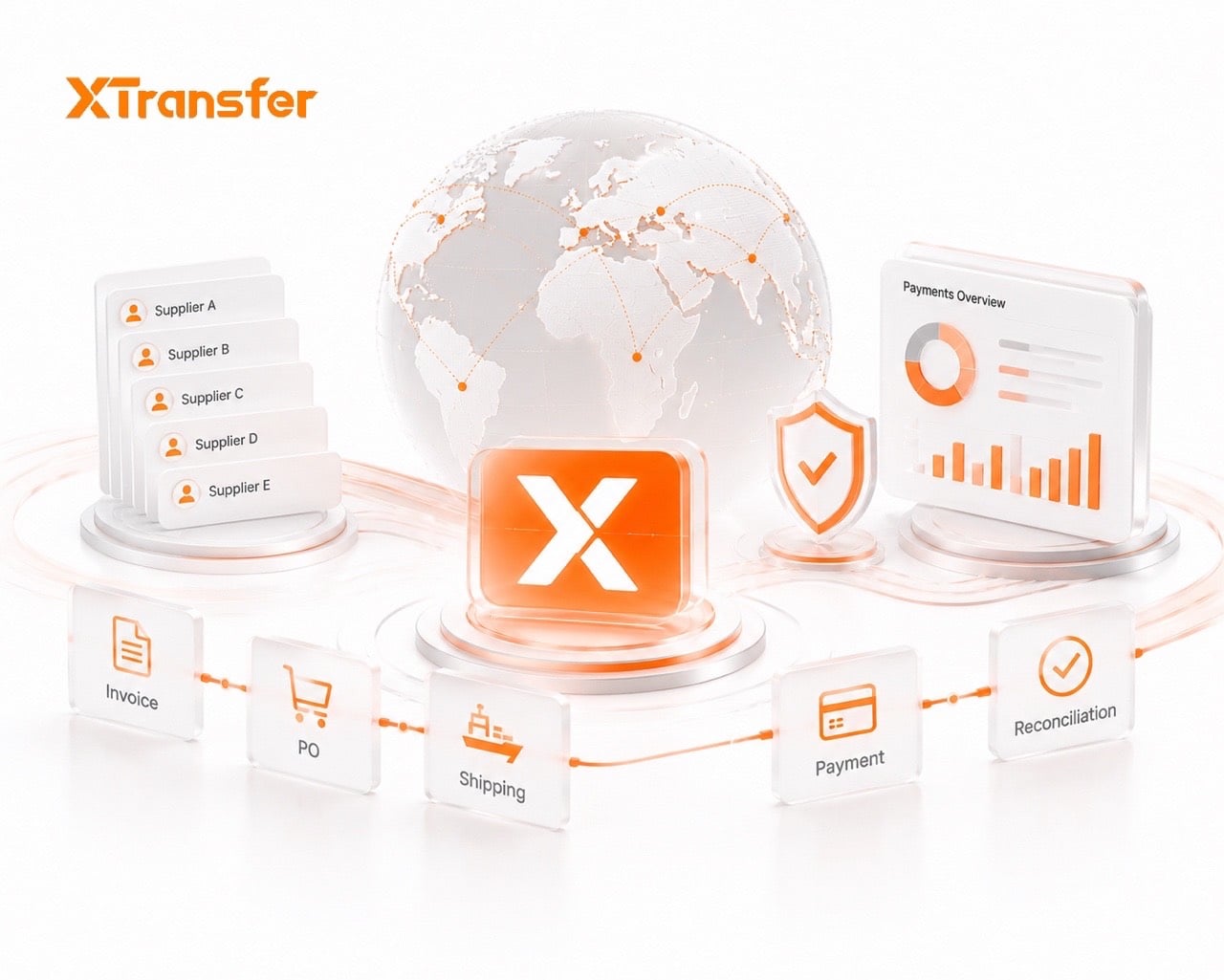
Local currency infrastructure can be understood in three layers. This three-layer model is useful because it turns a vague idea into an operational system. Latin American buyers do not need a payments lecture; they need a workflow that starts with local funds and ends with a supplier in China confirming receipt. XTransfer sits inside this model as the operating spine. Its local currency accounts handle local collection, its payment tools support FX and supplier settlement, and its network partnerships extend the rails needed to support trade flows into China.
| Layer | Function |
|---|---|
| Collection layer | Receive buyer funds locally through domestic payment rails and local accounts. |
| FX layer | Convert funds within the same workflow instead of through separate manual steps. wholesale.banking. |
| Settlement layer | Deliver payment to the Chinese supplier with clearer timing and fewer intermediaries. wholesale.banking. |
Why USD-Centric Settlement Creates Pressure
USD-based routing remains common, but it often creates avoidable pressure on working capital. A buyer may have to convert local currency into USD, send the transfer through intermediary banks and then wait for the supplier-side bank to complete settlement. That creates three common problems. First, the payment takes longer. Second, the buyer cannot always see the full settlement status in real time. Third, the payment may pass through more hands than necessary, adding cost and uncertainty. For Latin American buyers, that delay can matter more than the transfer fee itself. If a supplier does not receive funds quickly, production can slip and the buyer may lose the time advantage that matters in import-led competition.
How XTransfer Supports The Buyer Side
XTransfer’s Local Currency Accounts simplify international payments by using local bank details and processing transactions through domestic networks. The product is designed to help businesses receive and move funds locally before settlement happens across borders. For Latin American buyers, that means the payment process can start in local currency and move through a single connected workflow instead of a chain of disconnected handoffs. The value is not just lower friction; it is a shorter route from buyer funds to supplier confirmation in China. XTransfer’s supplier-payment tools extend that flow into outbound settlement. In practice, this helps buyers turn collected funds into supplier-ready payments with fewer operational steps between collection, FX and delivery.
Why The XTransfer–BBVA Partnership Matters
The XTransfer–BBVA MOU matters because it reinforces the shift from isolated payment products to connected infrastructure. The agreement is focused on cross-border payment infrastructure across Latin America and Europe, with exploration areas including FX conversion, local payments, collection solutions and virtual accounts. For Latin American buyers importing from China, the significance is straightforward. Better bank–fintech connectivity can mean better local collection, more reliable FX handling and a cleaner path to supplier settlement. This is not just a brand collaboration story. It is a signal that the payment stack behind China–Latin America imports is becoming more structured, more automated and more usable for procurement teams that need speed and certainty.
Real-World Scenario: Paying a Chinese Supplier From Latin America
What SMEs Should Look For
Latin American SMEs paying Chinese suppliers should evaluate payment infrastructure on a few practical criteria: The goal is not complexity. The goal is to make the payment path short enough that it supports procurement instead of slowing it down. That is what modern local currency infrastructure is supposed to do.
- →Local currency collection across relevant Latin American markets.
- →Transparent FX conversion within the same workflow.
- →Supplier payment coverage into China.
- →Clear status visibility from collection to settlement.
- →Virtual accounts and reconciliation support.
- →Regulated bank connectivity and compliance support.
- →Speed that supports production schedules, not just back-office reporting.
FAQ
References
-
World Bank – World Bank trade finance blog
-
BIS – BIS Project Nexus
-
XTransfer – XTransfer official Local Currency Accounts page
-
BusinessWire – XTransfer and BBVA MOU announcement